Foods That Inflame: 7 Proven Triggers to Avoid
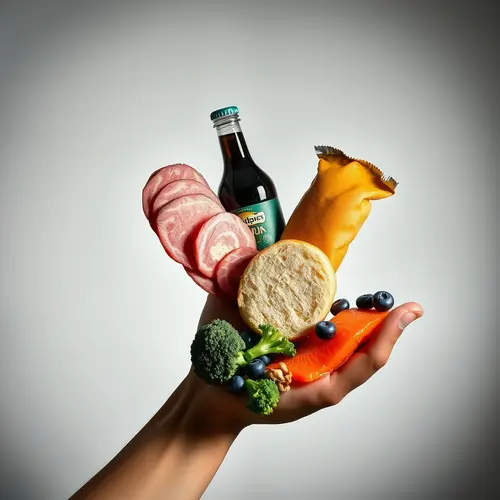
foods that inflame
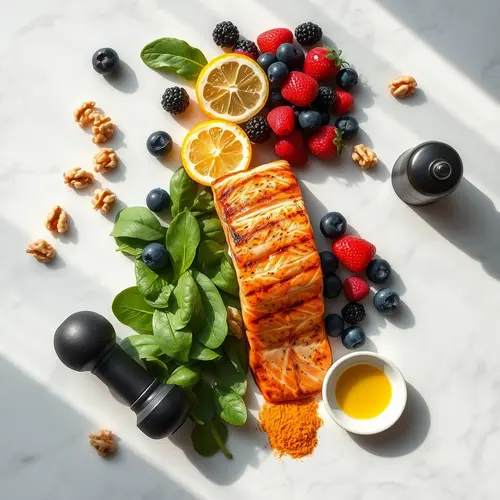
The Primary Offenders: Foods That Inflame Your System
Not all inflammatory foods affect everyone equally, but clinical observation and research point to a consistent group of triggers. The American College of Rheumatology notes that dietary modification is a cornerstone of managing inflammation-driven conditions like arthritis.1. Refined Carbohydrates and Sugars
White bread, pastries, sodas, and most breakfast cereals cause rapid spikes in blood sugar. This spike promotes the creation of advanced glycation end products (AGEs), which are directly inflammatory. They also alter gut bacteria in a way that can degrade the intestinal lining.2. Industrial Seed Oils
Oils like soybean, corn, sunflower, and safflower are high in omega-6 fatty acids. While omega-6s are essential, the modern diet provides them in gross excess compared to anti-inflammatory omega-3s. This imbalance is a proven catalyst for systemic inflammation.3. Processed and Cured Meats
Hot dogs, sausages, bacon, and deli meats contain advanced glycation end products from high-temperature processing and preservatives like nitrites. Studies cited in publications like *The Journal of Nutrition* link high consumption of these foods that inflame to increased inflammatory markers.4. Artificial Trans Fats
Listed as “partially hydrogenated oils” on labels, these fats are artificially created to extend shelf life. They not only raise bad cholesterol but also damage the cells lining your blood vessels, leading to inflammation. The FDA has banned them from food production due to the health risks.5. Excessive Alcohol
Beyond liver strain, alcohol metabolism produces toxic byproducts that damage liver cells, triggering an inflammatory response. Regular, heavy consumption is strongly correlated with elevated levels of C-reactive protein (CRP), a key inflammation marker.An Expert Foods That Inflame on the Gluten and Dairy Debate
Conventional wisdom often points to gluten and dairy as universal villains. The reality is more nuanced. For individuals with celiac disease or a clinically diagnosed non-celiac gluten sensitivity, gluten is profoundly inflammatory. For the general population without these conditions, the evidence is less clear-cut. The same applies to dairy. It can be a major trigger for those with a lactose intolerance or a cow’s milk protein allergy. For others, high-quality fermented dairy like kefir or yogurt may have anti-inflammatory properties due to probiotics. Blanket elimination without cause can lead to unnecessary dietary restriction and nutrient gaps.A Practical Foods That Inflame: The “Healthy” Salad Trap
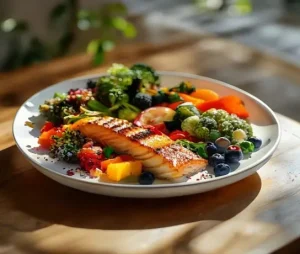
Consider a patient who switches to eating salads for lunch to reduce inflammation but sees no improvement. Upon review, their “healthy” salad contains grilled processed chicken strips, croutons made from refined flour, a heavy pour of soybean oil-based ranch dressing, and a side of sweetened iced tea. They inadvertently built a meal of classic foods that inflame. The fix wasn’t removing salads but upgrading the components: swapping in olive oil-lemon dressing, omitting croutons, and choosing grilled salmon or chickpeas.Healing Potential of Common Foods
This table compares common dietary items based on their general inflammatory impact, helping to visualize everyday choices.| Food Category | High-Inflammation Examples | Lower-Inflammation Alternatives |
|---|---|---|
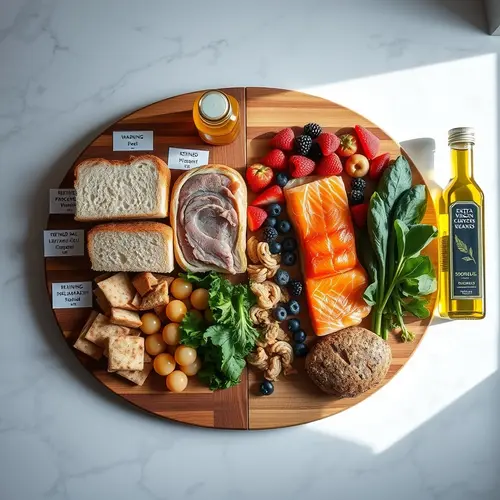
| Fats & Oils | Soybean oil, margarine, vegetable shortening | Extra virgin olive oil, avocado oil, coconut oil |
| Grains | White bread, sugary cereals, instant rice | Quinoa, oats, brown rice, sourdough (for some) |
| Protein Sources | Processed sausages, breaded fried meats | Wild-caught fish, lentils, organic poultry, tofu |
| Snacks & Sweets | Packaged cookies, potato chips, soda | Mixed nuts, dark chocolate (>70%), berries |
| Condiments | Ketchup (high-fructose corn syrup), creamy dressings | Mustard, apple cider vinegar, tahini, pesto |
Actionable Steps to Reduce Dietary Inflammation
Knowledge is only power if you apply it. Start with these manageable shifts.- Audit Your Pantry: Read labels for soybean oil, high-fructose corn syrup, and “partially hydrogenated oils.” These are clear indicators of foods that inflame.
- Cook One More Meal at Home: Restaurant and packaged foods are primary sources of inflammatory oils and hidden sugars.
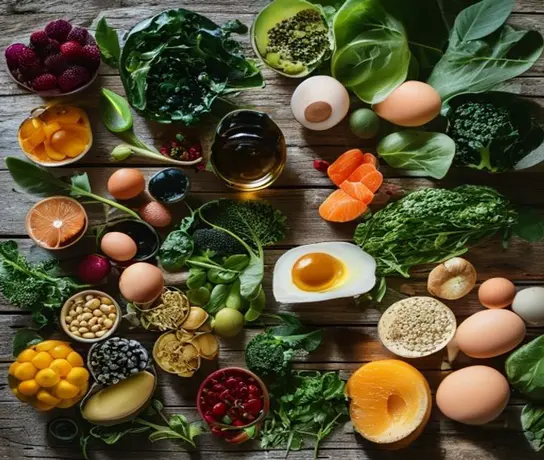
- Prioritize Whole Foods: Build meals around vegetables, fruits, lean proteins, and healthy fats. The fiber and phytonutrients naturally combat inflammation.
- Embrace Anti-Inflammatory Herbs: Liberally use turmeric, ginger, rosemary, and garlic in your cooking. Their bioactive compounds have demonstrated anti-inflammatory effects.
- Hydrate with Water: Replace sugary drinks and excessive alcohol with water or herbal tea. Proper hydration is fundamental for cellular function and detoxification pathways.
Related reading: see this related guide and compare more options here.
How to Spot Hidden Triggers on Labels
Start by listing the tasks that eat most of your week. Rank them by time cost, then match each one to a feature on your shortlist. Ask vendors for a live demo using your own data, not a canned sample. Check reviews from teams of your size, since enterprise feedback can mislead. Finally, test one option with a small pilot group before rolling it out to everyone.
Common Mistakes to Avoid
The biggest mistake is buying for features you will never use. Keep the stack lean and master the basics first. Another trap is skipping training, which leaves half the value on the table. Schedule one short session per week until the team is fluent. Review usage numbers monthly and drop tools nobody opens.
Final Verdict: Small Swaps, Big Relief
For most small teams, the answer is yes, provided you start lean and measure results. Pick one bottleneck, fix it well, then expand. Revisit your choice every year as pricing and features change. The detailed comparisons above give you a solid starting point.
Further reading on this site:
- how omega fish oil support your mind and body
- why fatty acids in food are modern nutrition
- the power of omega 3 pills
- the powerful of dha and epa for life
- why omega 2 fatty acids changing nutrient
- how omega 3 oils transform mind body and energy
- powerful cholesterol supplements
- effective herb vitamins
Which foods that inflame should go first?
The worst foods that inflame joints are sugary sodas, deep-fried snacks, and processed meats. Cutting these three brings the fastest relief.
How fast can diet changes help?
After removing foods that inflame tissues, many notice easier mornings within two to four weeks. Keep a simple pain diary to confirm.
Are all fats bad for inflammation?
No. Olive oil and omega-3 fats calm tissues, while trans fats and excess corn oil worsen them. Read labels for partially hydrogenated oils.