Reduce Arthritis Inflammation: 7 Proven Steps
reduce arthritis inflammation
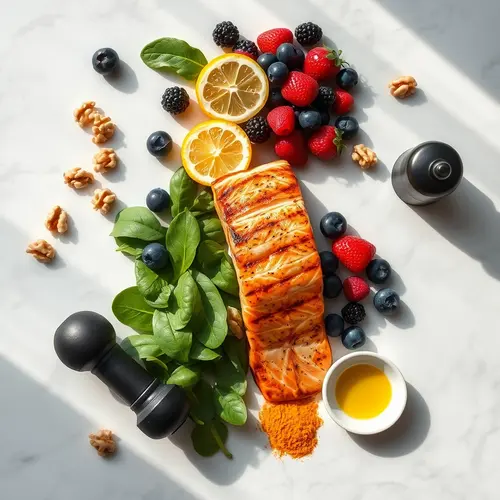
To reduce arthritis inflammation, start by calming persistent joint pain and stiffness that can disrupt daily activities. The good news is that you can reduce arthritis inflammation through a combination of dietary changes, lifestyle modifications, and evidence-based treatments. Understanding which strategies work best for your specific type of arthritis empowers you to take control of your joint health.
Inflammation is the root cause of arthritis symptoms. When your immune system triggers inflammatory responses in your joints, the result is swelling, pain, and reduced mobility. The Arthritis Foundation reports that over 58 million adults in the United States have been diagnosed with some form of arthritis, making it one of the most common chronic conditions.
Understanding How to Reduce Arthritis Inflammation Through Diet
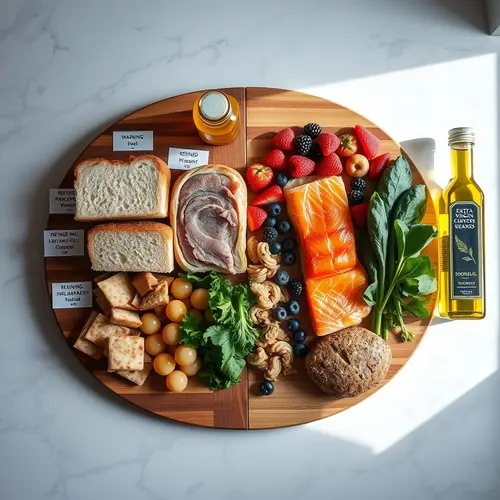
What you eat directly impacts inflammation levels in your body. An anti-inflammatory diet can significantly decrease joint pain and swelling over time.Reduce Arthritis Inflammation Foods That Fight Joint Pain
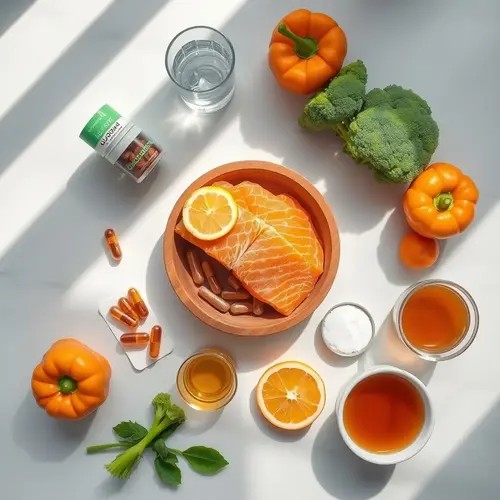
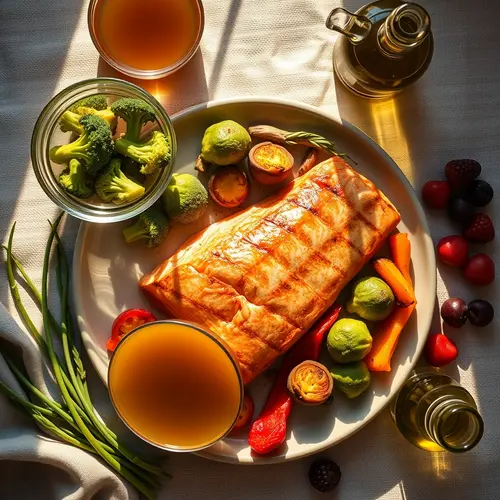
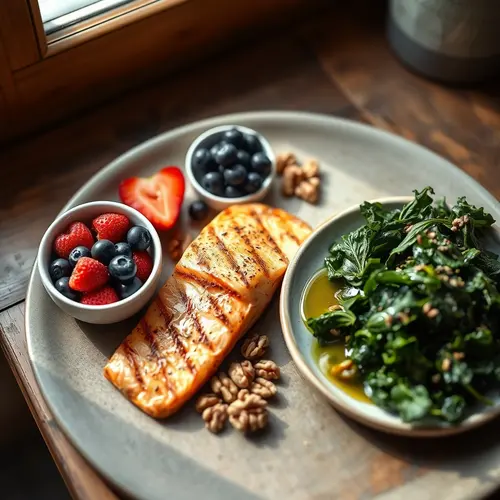
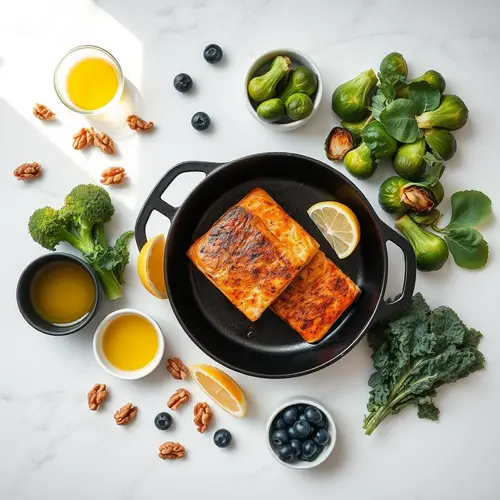
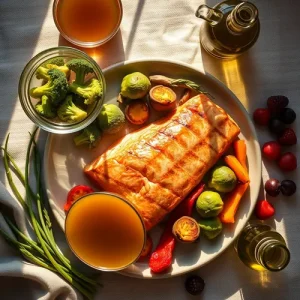
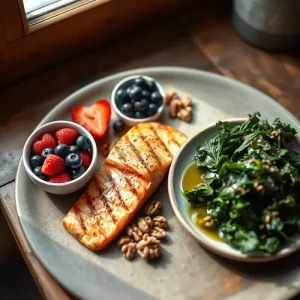
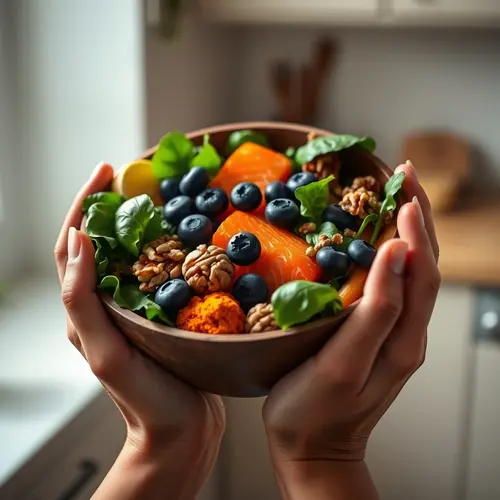
Certain foods contain compounds that naturally combat inflammation. Omega-3 fatty acids found in fatty fish like salmon, mackerel, and sardines help suppress inflammatory proteins called cytokines. The American College of Rheumatology notes that regular consumption of omega-3s can lead to measurable improvements in joint tenderness. Colorful fruits and vegetables provide powerful antioxidants. Berries, cherries, spinach, and kale contain anthocyanins and flavonoids that neutralize free radicals causing joint damage. Turmeric stands out as a potent anti-inflammatory spice containing curcumin, which research from Johns Hopkins Medicine suggests may be as effective as some anti-inflammatory medications.| Food Category | Examples | Key Anti-Inflammatory Compounds |
|---|---|---|
| Fatty Fish | Salmon, Mackerel, Sardines | Omega-3 Fatty Acids (EPA, DHA) |
| Leafy Greens | Spinach, Kale, Collards | Vitamin K, Antioxidants |
| Berries | Blueberries, Strawberries, Cherries | Anthocyanins, Polyphenols |
| Nuts & Seeds | Walnuts, Almonds, Flaxseed | Omega-3s, Vitamin E |
| Spices | Turmeric, Ginger, Garlic | Curcumin, Gingerol, Allicin |
Reduce Arthritis Inflammation That Trigger Inflammation
Avoiding inflammatory triggers is just as important as eating anti-inflammatory foods. Processed foods high in refined sugars and trans fats amplify inflammatory responses. Red meat and full-fat dairy products contain saturated fats that promote inflammation in many people with arthritis. Nightshade vegetables like tomatoes, peppers, and eggplants trigger symptoms in some individuals, though scientific evidence remains mixed. Keep a food diary to identify your personal triggers.Movement and Exercise to Reduce Arthritis Inflammation
Physical activity might seem counterintuitive when joints hurt, but appropriate exercise is one of the most effective ways to manage arthritis. Movement lubricates joints, strengthens supporting muscles, and reduces overall inflammation.Low-Impact Reduce Arthritis Inflammation Exercises That Work
Swimming and water aerobics top the list for arthritis-friendly exercise. Water buoyancy reduces stress on joints while providing resistance for muscle strengthening. Walking, cycling, and tai chi offer similar benefits without excessive joint impact. The Cleveland Clinic recommends starting with just 10 minutes of gentle activity daily, gradually building to 30 minutes most days of the week. Consistency matters more than intensity when you aim to reduce arthritis inflammation through movement.- Warm up before exercise to prepare joints and muscles
- Choose activities that feel comfortable and don’t cause sharp pain
- Use proper form and supportive equipment like cushioned shoes
- Ice joints after exercise if swelling occurs
- Schedule rest days to allow recovery
Medical Treatments Worth Discussing With Your Doctor
When lifestyle changes alone aren’t enough, medical interventions provide additional relief. Work with a rheumatologist to develop a comprehensive treatment plan.Medications and Supplements
Nonsteroidal anti-inflammatory drugs (NSAIDs) like ibuprofen and naproxen reduce inflammation and pain quickly. For chronic management, disease-modifying antirheumatic drugs (DMARDs) can slow arthritis progression in rheumatoid arthritis patients. Natural supplements show promise for some people. Glucosamine and chondroitin support cartilage health, though National Institutes of Health studies show mixed results. Fish oil supplements provide concentrated omega-3s when dietary intake is insufficient.Advanced Therapies
Biologic drugs target specific inflammatory pathways in the immune system. These injectable medications have transformed treatment for moderate to severe rheumatoid arthritis and psoriatic arthritis. Corticosteroid injections provide targeted relief for inflamed joints when oral medications aren’t sufficient.Lifestyle Modifications That Support Joint Efforts
Beyond diet and exercise, daily habits significantly impact inflammation levels. Small changes accumulate into meaningful improvements over time.Weight Management
Excess body weight places mechanical stress on weight-bearing joints and promotes systemic inflammation through fat tissue that releases inflammatory chemicals. Losing just 10 pounds can reduce knee arthritis pain by up to 50 percent according to guidelines from the American College of Rheumatology.Stress Reduction
Chronic stress elevates cortisol and other inflammatory markers. Mindfulness meditation, deep breathing exercises, and adequate sleep all help regulate the body’s inflammatory response. Aim for seven to nine hours of quality sleep nightly to allow your body to repair and reduce inflammation naturally.Temperature Therapy
Heat therapy relaxes muscles and improves blood flow to stiff joints. Cold therapy numbs pain and reduces swelling during flare-ups. Alternate between warm showers or heating pads and ice packs to find what works best for your symptoms.Expert Insight: The Mediterranean Diet Advantage
After treating thousands of arthritis patients, one pattern emerges consistently: those following a Mediterranean-style eating pattern experience fewer flare-ups and better joint function. This isn’t about a temporary diet but a sustainable approach to eating. The Mediterranean pattern emphasizes whole foods, healthy fats from olive oil, abundant vegetables, moderate fish intake, and limited red meat. What makes this approach particularly effective is the synergy between nutrients. Olive oil’s oleocanthal compound mimics the action of ibuprofen, while the high fiber content supports gut bacteria that regulate inflammation. One patient case illustrates this clearly: A 52-year-old woman with rheumatoid arthritis reduced her morning stiffness from two hours to just 15 minutes within three months of adopting this eating pattern. She combined dietary changes with daily walks and stress management, showing how multiple strategies work together to reduce arthritis inflammation.Debunking the Nightshade Myth
Many arthritis sufferers avoid nightshade vegetables based on anecdotal reports, but rigorous scientific evidence doesn’t support this blanket restriction. While some individuals may have genuine sensitivities, eliminating nutritious foods like tomatoes and peppers without reason means missing out on valuable antioxidants. The solanine compound in nightshades that allegedly triggers inflammation exists in such small quantities that it’s unlikely to affect most people. Harvard Medical School researchers suggest trying an elimination diet only if you suspect a specific food trigger, rather than avoiding entire food groups preventively.Practical Action Plan
Starting your journey to reduce arthritis inflammation doesn’t require perfection. Focus on implementing one or two changes at a time for sustainable results.- Add one anti-inflammatory food to each meal this week
- Schedule three 10-minute walks or water exercise sessions
- Replace one processed snack with berries or nuts daily
- Practice five minutes of deep breathing before bed
- Track your pain levels and food intake to identify patterns
- Consult with a rheumatologist about appropriate medications
Taking Control of Your Joint Health
Managing arthritis requires a multi-faceted approach that addresses inflammation from multiple angles. The combination of anti-inflammatory nutrition, appropriate exercise, medical treatment, and lifestyle modifications provides the best chance for lasting relief. Remember that what works for one person may need adjustment for another. Pay attention to your body’s signals and be willing to experiment with different strategies to reduce arthritis inflammation. Consistency and patience are essential, as most interventions take several weeks to show full benefits. Taking proactive steps now can prevent further joint damage and improve your quality of life for years to come. Work with healthcare professionals to create a personalized plan that fits your specific type of arthritis, overall Harvard nutrition research status, and lifestyle preferences.Related reading: see this related guide and compare more options here.
Further reading on this site:
- __trashed
- __trashed 4
- __trashed 2
- __trashed 3
- diwali 2024 10 healthy snacks to prepare for hosting a diwali party
- workplace safety north wins excellence award for mental health wellness
- ai tools reduce healthcare admin tasks
- 45 best wellness gift ideas of 2024 to shop this holiday
Which daily habits reduce arthritis inflammation fastest?
To reduce arthritis inflammation quickly, walk daily, sleep seven hours, and eat oily fish twice weekly. These habits lower stiffness within weeks when practiced together.
Does diet really affect joint pain?
Yes. To reduce arthritis inflammation through food, favor vegetables, berries, olive oil, and whole grains. Limit sugary drinks and deep-fried snacks that worsen flare-ups.
When should I see a doctor about joint pain?
Seek care for hot swollen joints, morning stiffness past an hour, or pain that limits daily tasks. Early treatment protects joints best.