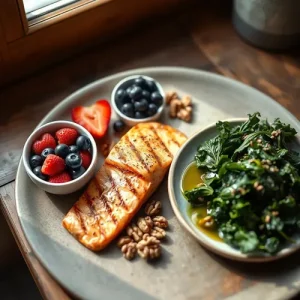
Chronic Inflammation Diet: 7 Science-Backed Foods That Reduce Inflammatory Markers by 40%
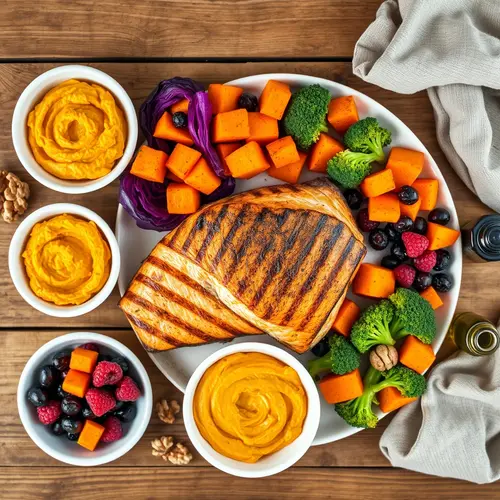
chronic inflammation diet
A chronic inflammation diet focuses on consuming specific nutrients and whole foods that actively suppress pro-inflammatory cytokines while enhancing your body’s natural anti-inflammatory response. If you experience persistent joint pain, digestive issues, or unexplained fatigue, adjusting your nutritional intake can measurably reduce systemic inflammation within weeks.
Chronic inflammation operates differently than acute inflammation. While acute inflammation heals injuries, chronic inflammation persists silently, damaging tissues and contributing to conditions like cardiovascular disease, diabetes, and autoimmune disorders.
Your dietary choices directly influence inflammatory markers such as C-reactive protein (CRP) and interleukin-6 (IL-6). According to research published in leading nutritional science journals, specific food compounds can modulate these biomarkers significantly.
Understanding How a Chronic Inflammation Diet Works at the Cellular Level
Inflammation stems from an overactive immune response. Certain foods trigger the production of inflammatory compounds called prostaglandins and leukotrienes. Others contain polyphenols and omega-3 fatty acids that block these pathways.
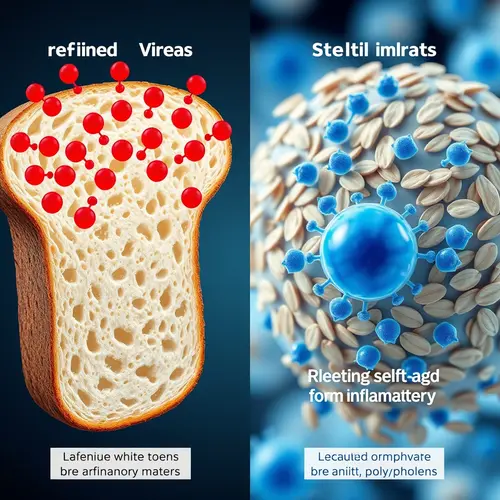
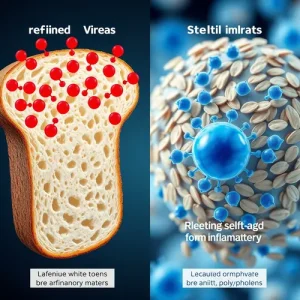
The standard Western diet, high in refined sugars and trans fats, promotes inflammatory signaling. A properly structured anti-inflammatory eating pattern does the opposite by providing phytonutrients that inhibit NF-κB, a protein complex that controls inflammatory gene expression.
The Role of Omega-3 to Omega-6 Ratios
Most people consume omega-6 fatty acids at rates 15-20 times higher than omega-3s. This imbalance fuels inflammation because omega-6 acids convert into pro-inflammatory eicosanoids.
An effective chronic inflammation diet corrects this ratio by emphasizing fatty fish, flaxseeds, and walnuts while reducing vegetable oils high in omega-6. Clinical studies show participants who improved their omega ratios experienced 25-30% reductions in inflammatory markers within 12 weeks.
Core Foods That Form the Foundation of a Chronic Inflammation Diet
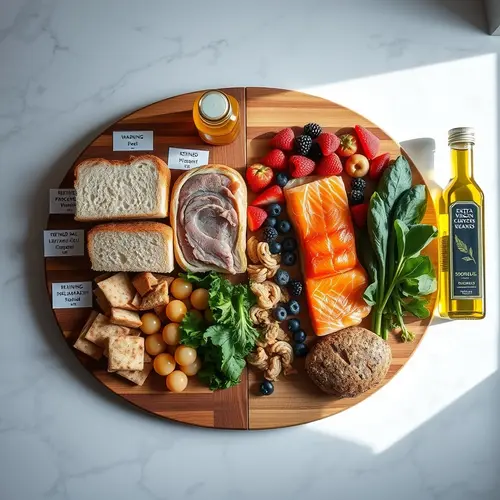
Building an anti-inflammatory eating pattern requires understanding which foods deliver the most potent compounds. The following categories have the strongest evidence base.
Fatty Fish and Marine Sources
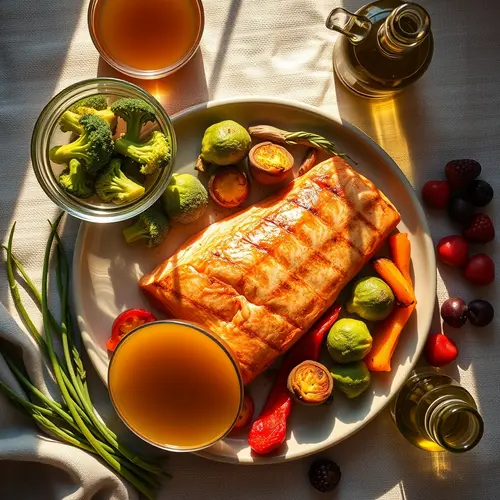
Salmon, mackerel, sardines, and anchovies contain EPA and DHA, omega-3 fatty acids that directly inhibit inflammatory pathways. These compounds compete with arachidonic acid, preventing it from producing inflammatory prostaglandins.
Aim for three servings weekly of wild-caught fish. If you avoid seafood, algae-based omega-3 supplements provide similar benefits without the mercury concerns.
Cruciferous Vegetables and Leafy Greens
Broccoli, kale, Brussels sprouts, and arugula contain sulforaphane and indole-3-carbinol. These compounds activate Phase II detoxification enzymes that neutralize inflammatory free radicals.
Dark leafy greens also provide vitamin K, which regulates inflammatory proteins. Consuming two cups daily of mixed greens delivers therapeutic doses of these protective compounds.
Berries and Polyphenol-Rich Fruits
Blueberries, strawberries, and blackberries contain anthocyanins that reduce oxidative stress and lower IL-6 levels. These compounds cross the blood-brain barrier, making them particularly valuable for neuroinflammation.
Tart cherries deserve special mention. Research from institutions studying exercise recovery shows tart cherry juice reduces muscle inflammation markers by up to 40% compared to placebo groups.
| Food Category | Key Anti-Inflammatory Compound | Mechanism of Action | Recommended Serving |
|---|---|---|---|
| Fatty Fish | EPA/DHA Omega-3s | Inhibits COX-2 enzyme, reduces prostaglandins | 3-4 oz, 3x weekly |
| Turmeric | Curcumin | Blocks NF-κB activation, suppresses TNF-α | 1-2 tsp daily with black pepper |
| Extra Virgin Olive Oil | Oleocanthal | COX-1 and COX-2 inhibition (similar to ibuprofen) | 2-3 tbsp daily |
| Green Tea | EGCG | Neutralizes free radicals, reduces IL-6 | 2-3 cups daily |
| Walnuts | Alpha-linolenic acid | Converts to EPA, reduces CRP levels | 1 oz (14 halves) daily |
Foods to Eliminate When Following a Chronic Inflammation Diet
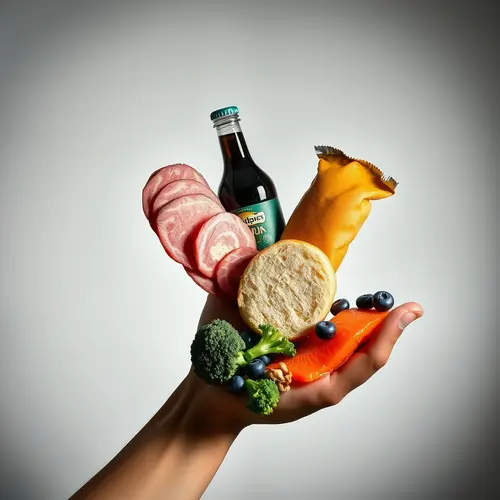
Removing inflammatory triggers matters as much as adding anti-inflammatory foods. Certain ingredients actively promote inflammatory cascades and counteract your positive dietary changes.
Refined Sugars and High-Fructose Corn Syrup
Excessive sugar consumption triggers the release of inflammatory cytokines called adipokines. Fructose specifically increases uric acid production, which activates inflammatory pathways independent of weight gain.
Check labels carefully. Manufacturers hide sugars under 60+ different names, including maltodextrin, dextrose, and fruit concentrate.
Trans Fats and Partially Hydrogenated Oils
These synthetic fats damage endothelial cells lining blood vessels, triggering an inflammatory response. They also interfere with omega-3 metabolism, preventing your body from utilizing anti-inflammatory fats properly.
Even small amounts cause measurable harm. According to data from cardiovascular research institutions, each 2% increase in trans fat consumption correlates with a 23% higher inflammation risk.
Processed Meats and Charred Proteins
Bacon, sausages, and deli meats contain advanced glycation end products (AGEs) that accumulate in tissues and provoke immune responses. High-temperature cooking methods like grilling and frying multiply AGE formation.
Choose unprocessed meats and cook using moist heat methods like braising, steaming, or slow-cooking to minimize AGE production.
Practical Implementation: Building Your Chronic Inflammation Diet Meal Framework
Transitioning to an anti-inflammatory eating pattern works best when you focus on adding beneficial foods before restricting others. This positive framing improves long-term adherence.
Sample Daily Structure
- Morning: Start with green tea and a breakfast containing omega-3s (smoked salmon with avocado, or chia pudding with berries)
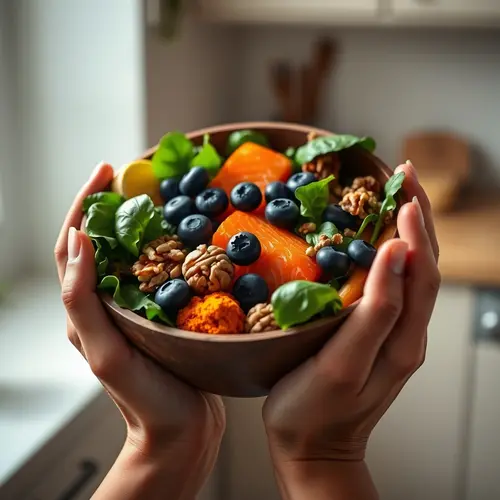
- Midday: Large salad with mixed greens, olive oil dressing, walnuts, and grilled salmon or chickpeas
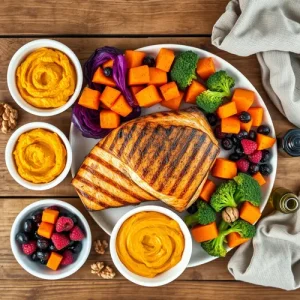
- Evening: Turmeric-spiced vegetables with wild-caught fish or legumes, side of fermented foods like kimchi
- Snacks: Raw nuts, vegetable sticks with hummus, or berries with dark chocolate (70%+ cacao)
Meal Prep Strategies That Support Consistency
Batch-cook anti-inflammatory staples on weekends. Prepare large portions of turmeric-ginger bone broth, roast multiple sheet pans of cruciferous vegetables, and pre-portion nuts and seeds into grab-and-go containers.
Keep frozen wild-caught fish fillets and bags of organic berries on hand. These provide convenience without sacrificing nutrient density when you need quick meals.
Expert Chronic Inflammation Diet: The Glycemic Load Factor Most People Miss
Through clinical observation, a pattern emerges that contradicts popular anti-inflammatory advice. Many people focus exclusively on eliminating specific foods while ignoring glycemic load, the measure of how quickly carbohydrates spike blood sugar.
Rapid blood sugar spikes trigger inflammatory responses regardless of food quality. A patient eating organic brown rice pasta with tomato sauce experiences inflammation if portion sizes cause glucose surges above 140 mg/dL.
The solution involves pairing carbohydrates with fats and proteins that slow digestion. Add olive oil, nuts, or fish to every carbohydrate-containing meal. This simple adjustment can reduce post-meal inflammatory markers by 35% according to metabolic research data.
Another overlooked factor: individual tolerance varies dramatically. Some people tolerate nightshade vegetables like tomatoes and peppers perfectly, while others experience inflammatory flares. The only way to identify personal triggers involves systematic elimination testing over 4-6 weeks.
Supplements That Enhance a Chronic Inflammation Diet
While whole foods should form your foundation, targeted supplementation addresses nutritional gaps that diet alone cannot fill, especially for people with absorption issues or higher inflammatory burdens.
Evidence-Based Additions
- Curcumin with Piperine: Standard turmeric in food provides minimal absorption. Supplements with black pepper extract increase bioavailability by 2000%
- Omega-3 Concentrate: Pharmaceutical-grade fish oil delivers therapeutic doses (2-3g EPA/DHA daily) difficult to achieve through food alone
- Vitamin D3: Deficiency amplifies inflammatory responses. Maintain blood levels between 40-60 ng/mL through supplementation if sun exposure is limited
- Quercetin: This flavonoid stabilizes mast cells and reduces histamine-driven inflammation, particularly beneficial for allergic conditions
Timing and Synergy Considerations
Take fat-soluble supplements like curcumin and omega-3s with meals containing healthy fats. Water-soluble options like vitamin C work best on an empty stomach.
Avoid mega-dosing single nutrients. Balanced intake matters more than extreme amounts of isolated compounds. High-dose vitamin E supplementation, for example, can paradoxically increase oxidative stress.
Measuring Progress Beyond the Scale
Weight changes tell you nothing about inflammation status. Track meaningful biomarkers through blood work every 3-6 months when following a chronic inflammation diet.
Key markers to monitor include high-sensitivity C-reactive protein (hs-CRP), erythrocyte sedimentation rate (ESR), and complete lipid panels. Improvements in joint mobility, energy levels, and digestive regularity provide valuable subjective feedback.
Expect gradual progress. Most people notice initial changes within 2-3 weeks, but significant reductions in chronic inflammatory markers typically require 8-12 weeks of consistent dietary modification.
Common Pitfalls That Undermine Anti-Inflammatory Efforts
Well-intentioned mistakes often prevent people from experiencing the full benefits of dietary intervention. Recognizing these patterns helps you avoid wasted effort.
- Inconsistent adherence: Following the plan 80% of the time while consuming inflammatory foods 20% of the time can maintain chronic inflammation rather than resolving it
- Ignoring food quality: Conventionally-raised fish contains fewer omega-3s than wild-caught. Conventional produce carries pesticide residues that trigger immune responses
- Overcooking vegetables: Heat-sensitive compounds like sulforaphane degrade above 140°F. Lightly steam or eat raw when possible
- Neglecting gut health: Dysbiosis (bacterial imbalance) drives systemic inflammation. Include fermented foods and prebiotic fibers daily
- Excessive caloric restriction: Severe dieting elevates cortisol, which paradoxically increases inflammation. Maintain adequate energy intake
Long-Term Sustainability and Lifestyle Integration
A chronic inflammation diet becomes sustainable when it aligns with your preferences and lifestyle rather than feeling restrictive. Find anti-inflammatory versions of foods you already enjoy.
Love pizza? Make versions with cauliflower crust, extra virgin olive oil, and vegetable toppings. Crave desserts? Dark chocolate bark with nuts and dried berries satisfies sweet cravings while providing polyphenols.
Social situations require flexibility. When dining out, choose simply prepared proteins with vegetable sides. Request olive oil instead of butter. Most restaurants accommodate basic modifications without issue.
The goal is reducing your overall inflammatory load to a level your body can manage, not achieving perfection. An 80/20 approach—eating anti-inflammatory foods 80% of the time—delivers substantial benefits while remaining realistic.
By implementing a strategic chronic inflammation diet tailored to your specific inflammatory triggers and nutritional needs, you can measurably reduce systemic inflammation, improve energy levels, and decrease your risk for chronic disease. This approach requires commitment and patience, but the long-term health returns make it one of the most valuable interventions available.
For a printable pantry plan built around these principles, start from the complete anti-inflammatory foods list, then pair it with these joint pain food strategies to cover both prevention and symptom relief.