The Complete Guide to Diet for Rheumatoid Arthritis: Anti-Inflammatory Foods That Work

diet for rheumatoid
Diet for rheumatoid arthritis isn’t about restrictive eating—it’s about strategic nutrition that calms inflammation at the cellular level. If you’ve been diagnosed with rheumatoid arthritis (RA), what you eat directly influences joint pain, swelling, and your body’s inflammatory response. The right diet for rheumatoid conditions can reduce flare-ups, support medication efficacy, and improve quality of life without requiring pharmaceutical intervention alone.
Understanding The Connection Between Diet and Rheumatoid Arthritis
Rheumatoid arthritis is an autoimmune condition where the body’s immune system mistakenly attacks joint linings, causing inflammation, pain, and potential joint damage. Research from the American College of Rheumatology confirms that diet plays a supporting role in managing RA symptoms alongside medical treatment. Nutrition cannot replace disease-modifying drugs, but it can amplify their effects and reduce flare intensity.
The gut microbiome—your intestinal bacterial ecosystem—directly influences immune system behavior. When your gut barrier is compromised, inflammatory compounds leak into the bloodstream, triggering or worsening RA symptoms. A therapeutic diet for rheumatoid arthritis works by healing the gut lining and establishing a healthy microbial balance.
Core Anti-Inflammatory Foods for Your Diet for Rheumatoid Arthritis
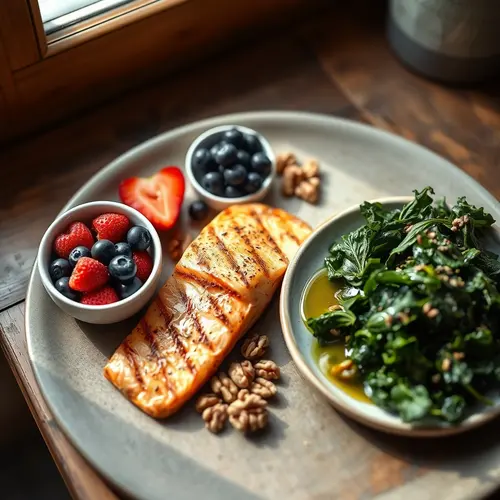
Omega-3 fatty acids are the nutritional cornerstone of managing RA. These polyunsaturated fats actively reduce pro-inflammatory cytokines—the signaling molecules that amplify joint destruction. Fatty cold-water fish like salmon, mackerel, sardines, and herring contain high concentrations of EPA and DHA, the two most bioavailable omega-3 forms.
Aim for 2-3 servings of fatty fish weekly, or take a clinical-grade fish oil supplement (2-3 grams daily of combined EPA/DHA). Studies published in the American Journal of Clinical Nutrition demonstrate measurable reductions in morning stiffness and joint swelling within 8-12 weeks of consistent omega-3 intake.
Colorful plant foods contain polyphenols—powerful antioxidants that neutralize inflammatory free radicals. Berries (blueberries, blackberries, raspberries), leafy greens (spinach, kale, arugula), and cruciferous vegetables (broccoli, Brussels sprouts, cauliflower) should form the visual foundation of every meal.
Turmeric deserves special mention. Its active compound, curcumin, rivals some NSAIDs in reducing inflammation markers. Black pepper increases curcumin absorption by 2,000 percent, so always pair them together. Consume 1/2 teaspoon turmeric daily with meals that include healthy fat to optimize bioavailability.
Building Your Practical Diet for Rheumatoid Arthritis Meal Framework
A successful diet for rheumatoid arthritis centers on protein diversity, healthy fats, and plant-based inflammation fighters. Each main meal should contain a lean or plant-based protein source, a serving of fatty fish or plant omega-3s, abundant vegetables, and a healthy fat component like olive oil or avocado.
Bone broth contains collagen, gelatin, and glycine—compounds that support intestinal barrier function and reduce gut permeability. Consume 8-12 ounces daily, either as a warm beverage or incorporated into soups. The gel-like consistency indicates high collagen content.
Fermented foods like sauerkraut, kimchi, miso, tempeh, and unsweetened yogurt introduce beneficial bacteria that strengthen your gut barrier. Include one fermented food with lunch and dinner for cumulative probiotic benefit.
Foods to Eliminate When Managing Rheumatoid Arthritis
Refined carbohydrates trigger rapid blood sugar spikes, which activate immune inflammatory pathways. White bread, pastries, sugary beverages, and processed snacks should be eliminated entirely. These foods offer zero nutritional density while directly worsening RA symptoms.
Vegetable seed oils (soybean, canola, sunflower, safflower) contain excessive omega-6 linoleic acid, which shifts the inflammatory balance toward pro-inflammatory eicosanoids. Replace them with olive oil, coconut oil, or avocado oil. This single change reduces systemic inflammation substantially.
Processed meat—bacon, deli meats, sausages, and processed chicken—contains advanced glycation end products (AGEs) that trigger inflammatory pathways. These preserved products also contain sodium nitrites, which gut bacteria convert into inflammatory compounds. Limit or eliminate entirely.
Alcohol increases intestinal permeability and disrupts beneficial gut bacteria. If you drink, limit to 1-2 occasions weekly and choose red wine, which contains resveratrol, a polyphenol with anti-inflammatory properties.
The Elimination Diet Protocol for Personalizing Your Diet for Rheumatoid Arthritis
Individual food sensitivities vary significantly among RA patients. A structured elimination diet reveals your personal inflammatory triggers. Remove common culprits—gluten, dairy, nightshade vegetables (tomatoes, peppers, eggplant), and legumes—for 4-6 weeks while maintaining consistent diet for rheumatoid anti-inflammatory foods.
Track joint pain, morning stiffness, and swelling daily in a notebook. After the elimination period, systematically reintroduce one food every 3-5 days while monitoring symptoms. You’ll identify which specific foods trigger your flares—knowledge no doctor can provide because the response is uniquely yours.
Some patients discover nightshades worsen symptoms significantly; others tolerate them perfectly. Dairy triggers inflammation in certain individuals but not others. This personalized approach transforms dietary recommendations from generic to genuinely therapeutic.
| Food Category | Include Regularly | Eliminate Completely |
|---|---|---|
| Proteins | Wild salmon, sardines, grass-fed beef, plant-based options (lentils in moderation) | Processed meats, deli meats, processed chicken |
| Vegetables | Leafy greens, broccoli, Brussels sprouts, berries, colorful root vegetables | Fried vegetables, heavily processed vegetable products |
| Fats | Extra-virgin olive oil, avocado oil, coconut oil, nuts, seeds | Seed oils, trans fats, most processed oils |
| Carbohydrates | Sweet potatoes, oats, quinoa, brown rice (in moderation) | White bread, pastries, sugary cereals, refined grains |
| Beverages | Water, herbal tea, bone broth, unsweetened green tea | Sugary drinks, excess alcohol, commercial juices |
Practical Implementation: Three-Day Sample Meal Plan
Day One: Breakfast—wild blueberries with ground flax, almond butter, and herbal tea. Lunch—grilled salmon with roasted broccoli, quinoa, and olive oil drizzle. Dinner—bone broth soup with spinach, shredded chicken, turmeric, and black pepper.
Day Two: Breakfast—vegetable omelet with spinach, mushrooms, and avocado. Lunch—sardine salad with mixed greens, carrots, and olive oil vinaigrette. Dinner—grass-fed beef with roasted Brussels sprouts and sweet potato.
Day Three: Breakfast—overnight oats with berries, coconut oil, and cinnamon. Lunch—turkey and vegetable stir-fry with olive oil and brown rice. Dinner—baked white fish with steamed asparagus, cauliflower rice, and lemon.
Expert Insight: The Leaky Gut Connection Nobody Mentions
Most dietary advice for diet for rheumatoid arthritis focuses exclusively on anti-inflammatory foods. However, the real breakthrough comes from understanding intestinal permeability. RA patients typically have compromised gut barriers where bacterial lipopolysaccharides (LPS) enter the bloodstream, continuously triggering immune activation.
Bone broth, L-glutamine supplementation, zinc, and elimination of gut irritants (processed foods, excess alcohol) heal the epithelial lining. This physiological repair often produces symptom improvements that rival pharmaceutical interventions. Most practitioners ignore this mechanism entirely, but rheumatology specialists increasingly recognize that healing the gut foundation transforms long-term outcomes.
Supplementation Beyond Diet for Rheumatoid Arthritis Management
While diet for rheumatoid arthritis should provide most nutrients, certain supplements bridge nutritional gaps that food alone cannot address:
- Vitamin D3 (2,000-4,000 IU daily)—regulates immune tolerance; RA patients show deficiency patterns
- Omega-3 fish oil (2-3 grams EPA/DHA daily)—reduces inflammatory cytokines directly
- Probiotics (multi-strain, 25+ billion CFU)—restores beneficial gut bacteria
- Curcumin with black pepper (500-1,000mg daily)—rivals NSAIDs in pain reduction
- Zinc (15-25mg daily)—supports immune regulation and gut barrier integrity
- Magnesium (300-400mg daily)—reduces inflammatory markers and muscle tension
Consult your rheumatologist before adding supplements, as some interact with biologics or DMARDs (disease-modifying antirheumatic drugs). Your gastroenterologist can recommend specific probiotic strains based on your individual microbiome profile through stool testing.
Measuring Progress: What to Track When Adopting Diet for Rheumatoid Arthritis
Dietary changes produce measurable outcomes. Track these metrics weekly:
- Morning stiffness duration (in minutes)—reduced time indicates decreased inflammation
- Joint swelling in hands, knees, ankles—use finger circumference measurements for objectivity
- Pain rating on 0-10 scale—track before and after meals to identify trigger foods
- Energy levels and sleep quality—often improve within 2-3 weeks
- Medication effectiveness—discuss dosage adjustments with your rheumatologist if symptoms improve
Most patients implementing a therapeutic diet for rheumatoid arthritis notice tangible improvements within 4-6 weeks. Some experience dramatic changes; others see modest gains. The variation reflects individual immune system sensitivity and genetic factors.
Common Mistakes When Starting Diet for Rheumatoid Arthritis
Attempting elimination diets without tracking data produces inconclusive results. Many patients quit prematurely because they expect overnight transformations. Cellular healing requires consistent nutrition over weeks and months, not days.
Overreliance on supplements while maintaining poor dietary habits undermines progress. A probiotic supplement cannot counteract daily refined carbohydrate consumption. The foundation must be food quality; supplements enhance an already solid nutritional base.
Finally, treating diet for rheumatoid arthritis as a standalone treatment rather than a complementary strategy creates disappointment. Diet supports pharmaceutical management but doesn’t replace DMARDs or biologics for moderate to severe RA. The combined approach—medication plus strategic nutrition—produces the most durable outcomes.
Moving Forward With Your Nutritional Strategy
A therapeutic diet for rheumatoid arthritis is not punishment—it’s targeted nutrition designed to reduce your immune system’s attack on your joints. Start by eliminating vegetable seed oils and processed meats, then gradually introduce fatty fish, colorful vegetables, and gut-healing foods like bone broth.
Track your symptoms consistently, reintroduce suspect foods deliberately, and communicate progress to your rheumatology team. Your diet becomes a personalized anti-inflammatory prescription that no generic recommendation can replace.
The evidence is clear: food choices directly influence inflammatory markers, joint damage progression, and medication effectiveness. Taking control of your diet for rheumatoid arthritis gives you agency in your own recovery—something medication alone cannot provide.
Related reading: Foods That Inflame: 7 Proven Triggers to Avoid.