Anti-Inflammatory Diet: Foods to Eat and Foods to Limit
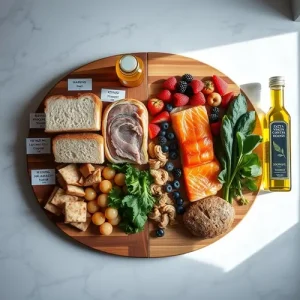
An anti-inflammatory diet is less a strict protocol than a pattern: more vegetables, fruit, fish, nuts, olive oil, and whole grains; fewer refined carbohydrates, processed meats, and sugary drinks. The evidence is strongest for the Mediterranean-style pattern, which lowers several markers of inflammation and is linked to better cardiovascular and metabolic outcomes. This guide explains what inflammation means in practice, which foods have the best support, and how to build meals without turning dinner into a research project.
What “Inflammation” Means Here
Acute inflammation is the useful kind: swelling after an injury, redness around a cut. The concern is chronic low-grade inflammation, a persistent immune activation linked to insulin resistance, joint pain, and cardiovascular risk. It has no obvious symptom. You see it in blood markers such as C-reactive protein and in conditions such as metabolic syndrome, and it is influenced heavily by body fat, sleep, activity, stress, and diet.
That list matters because diet is one lever, not the whole machine. An anti-inflammatory diet works best alongside sleep, movement, and weight management, and it is not a substitute for medical treatment of an inflammatory disease.
Foods to Eat More Of
| Food group | Examples | Why it helps | Practical serving |
|---|---|---|---|
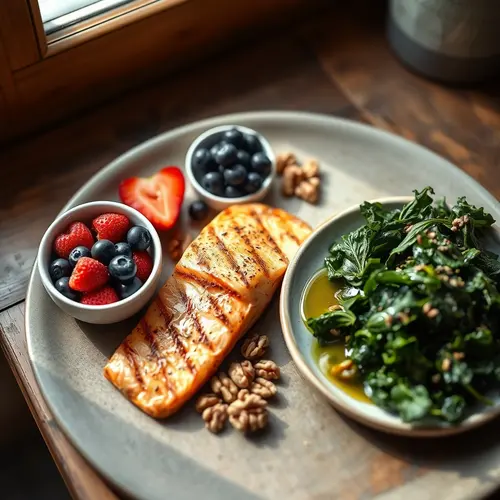
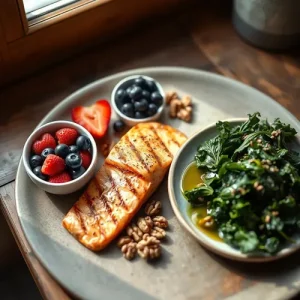
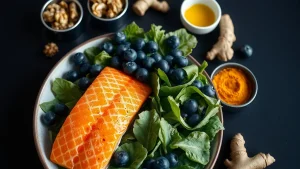
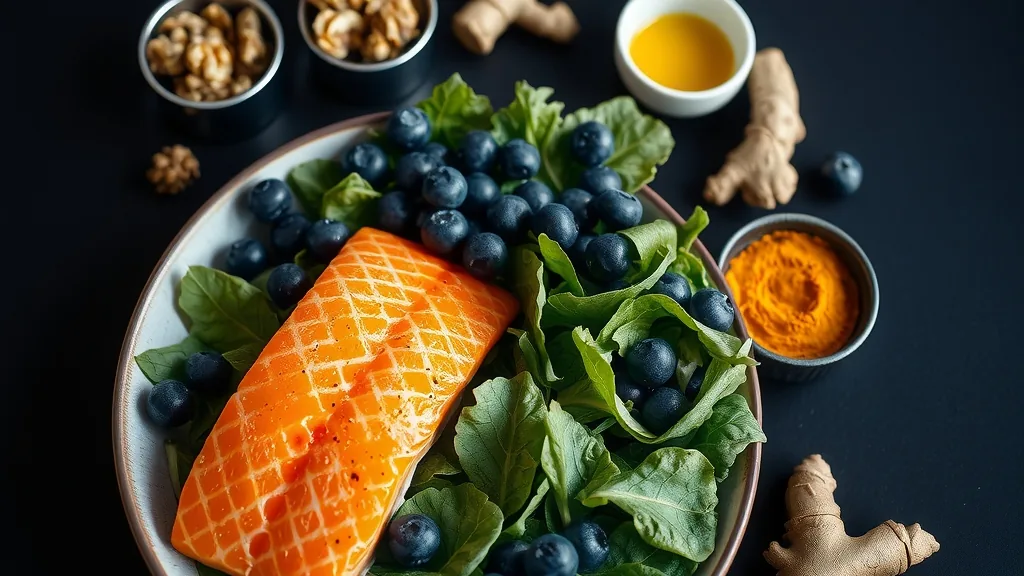
| Fatty fish | Salmon, sardines, mackerel, herring | EPA and DHA reduce inflammatory signaling | 2 servings per week |
| Leafy greens | Spinach, kale, rocket, chard | Vitamin K, folate, carotenoids, nitrates | 1 to 2 cups daily |
| Berries | Blueberries, strawberries, blackberries | Anthocyanins and polyphenols | 1/2 to 1 cup daily |
| Nuts and seeds | Walnuts, almonds, flax, chia | Healthy fats, magnesium, fiber | 30 g daily |
| Olive oil | Extra virgin | Oleic acid and polyphenols | 2 to 4 tbsp daily |
| Legumes | Lentils, chickpeas, black beans | Fiber feeds anti-inflammatory gut bacteria | 1/2 to 1 cup cooked daily |
| Whole grains | Oats, barley, quinoa, brown rice | Fiber and slower glucose response | Replace refined grains |
| Spices | Turmeric, ginger, garlic | Curcumin and gingerols show modest effects | Use daily in cooking |
The pattern is more powerful than any single item. Turmeric tablets will not offset a diet built on white bread, processed meat, and soda. Fish twice a week plus vegetables at every meal does more than any supplement stack.
For a deeper food list with portion guidance, see our chronic inflammation diet foods reference, and for a condition-specific version, the rheumatoid arthritis diet guide.
Foods to Limit
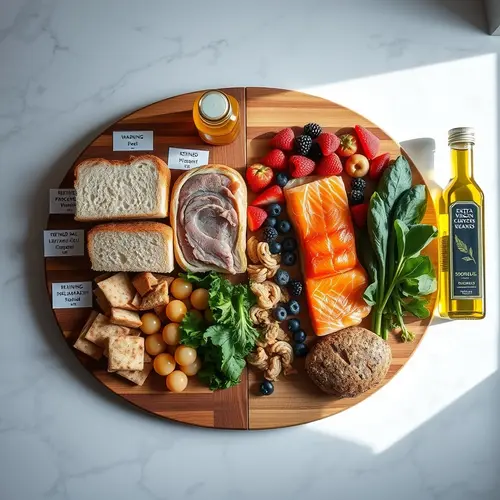
- Sugar-sweetened drinks. The single easiest win: liquid sugar raises triglycerides and inflammatory markers with no satiety.
- Refined carbohydrates. White bread, pastries, and most breakfast cereals spike glucose and crowd out fiber.
- Processed meats. Bacon, salami, and hot dogs are consistently associated with higher inflammation and colorectal risk.
- Deep-fried foods and reused oil. Oxidized fats and trans fats promote inflammatory pathways.
- Excess alcohol. Moderate drinking is not anti-inflammatory; heavy intake clearly is pro-inflammatory.
“Limit” means frequency, not prohibition. A slice of cake at a birthday is not the problem. The problem is the daily pattern.
Omega-3 and Omega-6 Balance
Both fats are essential, but Western diets skew heavily toward omega-6 from seed oils and processed foods. The goal is not to eliminate omega-6; it is to raise omega-3 intake enough to balance it. Two servings of oily fish weekly, or a daily tablespoon of ground flax or chia, moves the ratio in the right direction. If you do not eat fish, algae oil provides EPA and DHA directly, which flax cannot do efficiently.
Fiber and Gut Bacteria
Gut bacteria ferment fiber into short-chain fatty acids such as butyrate, which support the intestinal barrier and dampen inflammation. Aim for 25 to 35 grams of fiber daily from vegetables, fruit, legumes, and whole grains. Increase gradually and drink water, or you will trade inflammation for bloating.
Fermented foods such as yogurt, kefir, sauerkraut, and kimchi add live cultures. A small daily serving is a reasonable habit, though the evidence for specific strains is uneven.
A Sample Anti-Inflammatory Day
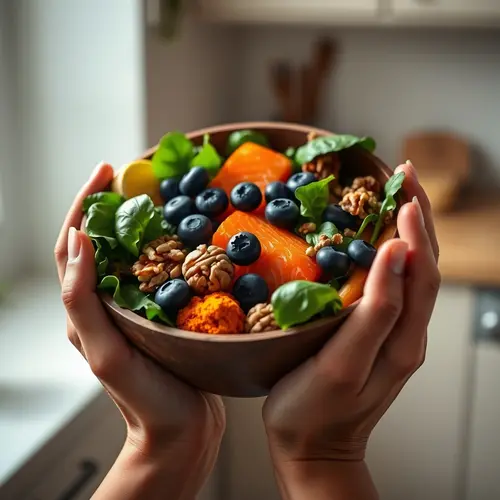
- Breakfast: oats with blueberries, walnuts, and ground flax; plain yogurt or soy yogurt.
- Lunch: lentil and vegetable soup with olive oil, whole grain bread, and an orange.
- Snack: apple with a small handful of almonds.
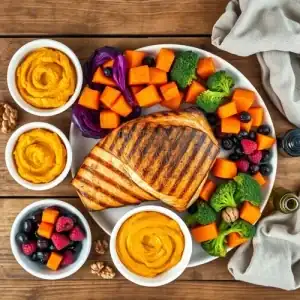
- Dinner: baked salmon with roasted broccoli and sweet potato, dressed with olive oil, garlic, and lemon.
- Optional: herbal tea instead of a second coffee or a soft drink.
That day lands near 35 grams of fiber, two servings of omega-3-rich food across the week, and no refined sugar. It is also ordinary food, which is why people can sustain it.
What the Evidence Does and Does Not Support
Strong support: Mediterranean-style patterns reduce inflammatory markers and cardiovascular events. Fiber-rich diets improve metabolic health. Replacing saturated and trans fats with unsaturated fats improves lipid profiles.
Moderate support: curcumin, ginger, and green tea polyphenols show measurable but modest effects in trials, usually at supplement doses. They are adjuncts, not treatments.
Weak or unsupported: extreme elimination diets marketed as anti-inflammatory, celery juice protocols, and claims that a single food “cures” autoimmune disease. If a program tells you to cut entire food groups without a medical reason, be skeptical.
Getting Started Without Overhauling Everything
Pick three changes for two weeks: swap sugary drinks for water or tea, add a vegetable to lunch and dinner, and eat fish twice a week. When those are automatic, add berries, nuts, and legumes. Small changes that stick beat a perfect plan abandoned by Thursday, and the inflammatory benefit comes from the pattern you keep.
What is the best anti-inflammatory diet?
A Mediterranean-style pattern has the strongest evidence: vegetables, fruit, legumes, whole grains, olive oil, nuts, and fish, with limited processed food and added sugar.
How fast does an anti-inflammatory diet work?
Some markers improve within weeks, but meaningful change usually takes two to three months of consistent eating alongside sleep and activity.
Are turmeric supplements necessary?
No. Turmeric in cooking is a reasonable habit, but supplements are optional and modest in effect. Food patterns matter more.
Can this diet replace medication for arthritis?
No. It can support general health, but inflammatory arthritis needs medical treatment. Discuss diet changes with your clinician.