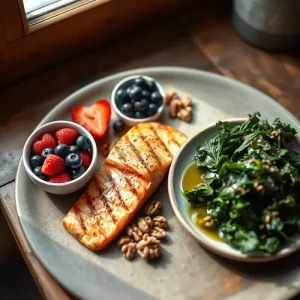
Arthritis Relief: 7 Proven Foods That Help
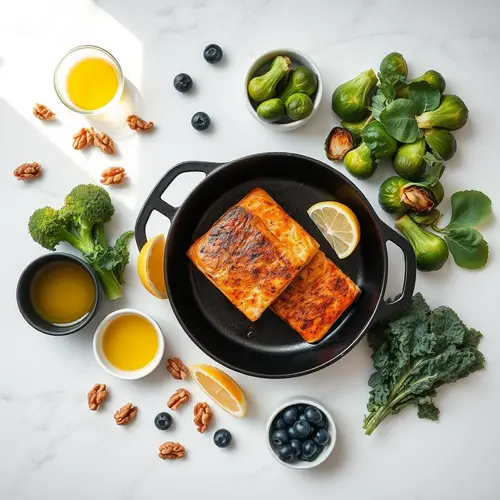
food to eat for arthritis
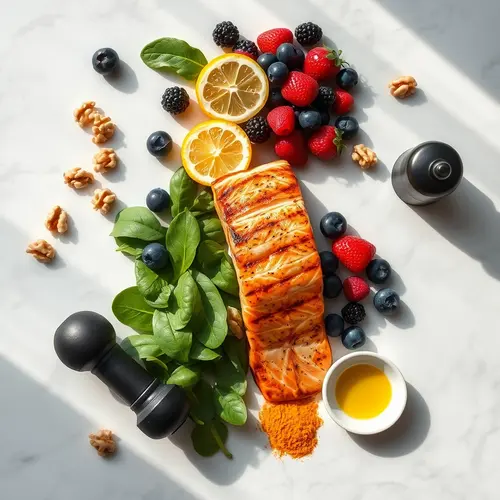
Why Arthritis – Nutrition Dictates Joint Health
Arthritis is not simply “wear and tear.” It is an active inflammatory process mediated by cytokines like IL-6 and TNF-alpha. What you put on your plate either fuels this cascade or interrupts it. The Standard American Diet, heavy on refined oils and added sugars, acts as an accelerant. Shifting to an anti-inflammatory pattern changes the biochemical environment of the synovial fluid. This is not theory; it is clinical biochemistry observed daily in rheumatology practice.Top food to eat for arthritis Management
Building a plate for joint longevity requires Harvard nutrition research density, not calorie counting. The following categories represent the highest evidence-based return on investment for modulating immune response.Fatty Fish: The Omega-3 Powerhouse
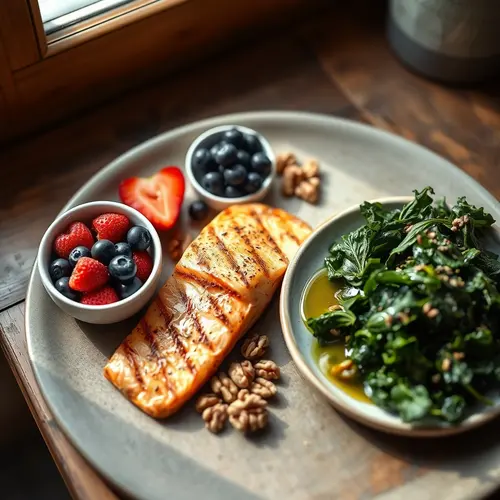
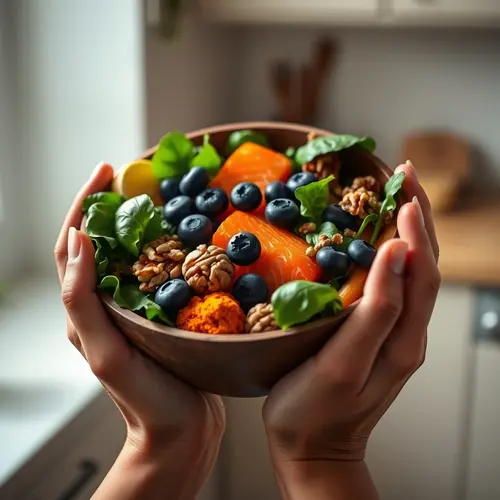
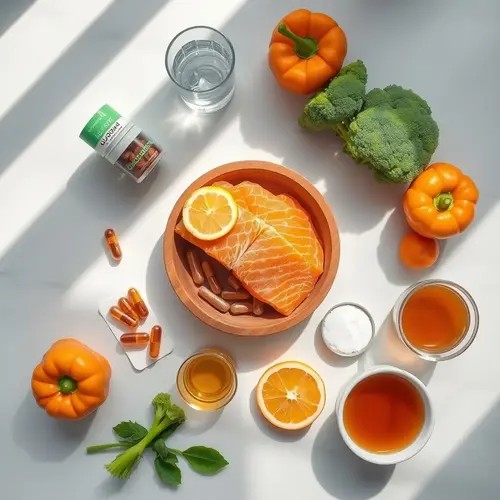
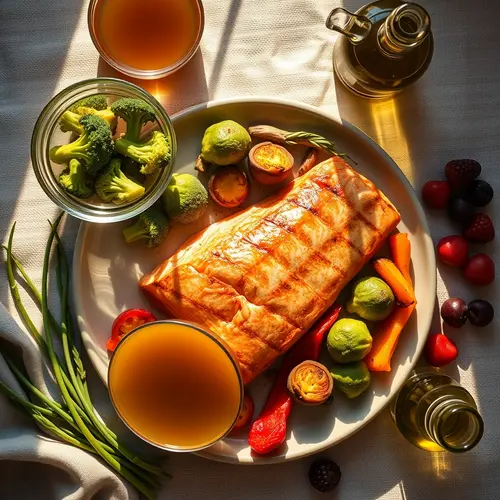
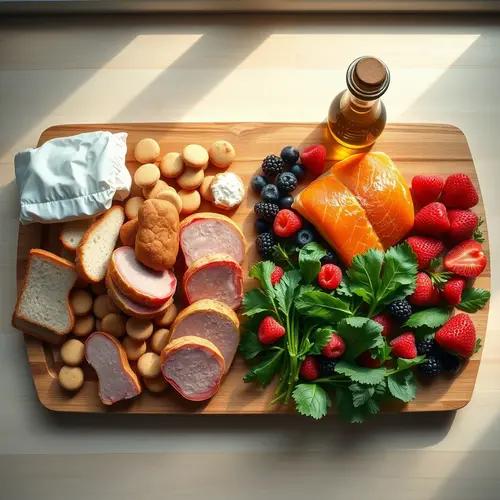
Wild-caught salmon, mackerel, sardines, and anchovies deliver long-chain omega-3 fatty acids (EPA and DHA). These compounds resolve inflammation rather than just blocking it. They convert into specialized pro-resolving mediators (SPMs) that actively “clean up” the inflammatory aftermath in joint capsules. Aim for two to three servings weekly. If you cannot tolerate fish, a high-potency, third-party tested fish oil supplement is a non-negotiable alternative.Cruciferous Vegetables and Leafy Greens
Broccoli, Brussels sprouts, kale, and spinach contain sulforaphane. This compound blocks enzymes linked to joint destruction and inhibits the NF-kB pathway, a master switch for inflammation. They also provide Vitamin K, essential for bone mineralization and cartilage integrity. Lightly steam them to preserve myrosinase activity, which activates sulforaphane.Nuts, Seeds, and Extra Virgin Olive Oil
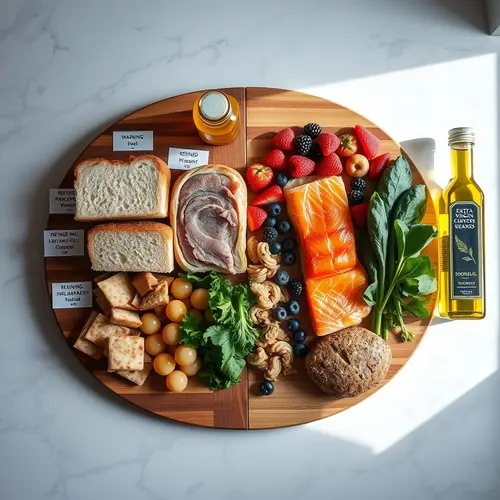
Walnuts, chia seeds, and flaxseeds offer plant-based ALA omega-3s. Extra virgin olive oil (EVOO) contains oleocanthal, a phenolic compound that inhibits COX enzymes with a mechanism strikingly similar to ibuprofen, minus the gastric risk. The PREDIMED trial demonstrated that a Mediterranean diet supplemented with EVOO significantly lowered inflammatory markers like CRP. Use EVOO as your primary fat for cooking and finishing.Berries and Citrus: Flavonoid Density
Blueberries, strawberries, and tart cherries are rich in anthocyanins and quercetin. These flavonoids downregulate inflammatory gene expression. Tart cherry juice, in particular, has shown efficacy in reducing oxidative stress and muscle soreness post-exercise in studies published by the Journal of the International Society of Sports Nutrition. Citrus fruits provide Vitamin C, critical for collagen cross-linking in cartilage repair.| Food Group | Key Bioactive Compound | Primary Mechanism | Clinical Target |
|---|---|---|---|
| Fatty Fish | EPA / DHA | SPM Synthesis / COX Inhibition | Morning Stiffness / Swollen Joint Count |
| Cruciferous Veg | Sulforaphane | NF-kB Inhibition / MMP-13 Blockade | Cartilage Degradation Rate |
| EVOO | Oleocanthal | COX-1 / COX-2 Inhibition | Pain Scores / CRP Levels |
| Berries / Cherries | Anthocyanins / Quercetin | Antioxidant / Gene Regulation | Oxidative Stress / Uric Acid (Gout) |
Foods That Sabotage Progress
You cannot out-supplement a pro-inflammatory diet. Eliminating the offenders is half the battle. Industrial seed oils (soybean, corn, sunflower) are high in linoleic acid, which oxidizes easily and drives arachidonic acid pathways. Added fructose—specifically high-fructose corn syrup—spikes uric acid and drives glycation end-products (AGEs) that stiffen collagen. Processed meats contain advanced glycation end-products and nitrates that trigger immune activation. Cut these first; add the therapeutic foods second.Practical Meal Timing for food to eat for arthritis Success
Consistency beats intensity. I advise patients to structure the day around three anchor meals:- Breakfast: Greek yogurt with walnuts, blueberries, and ground flaxseed.
- Lunch: Large salad base (arugula/spinach), canned sardines, broccoli sprouts, dressed with EVOO and lemon.
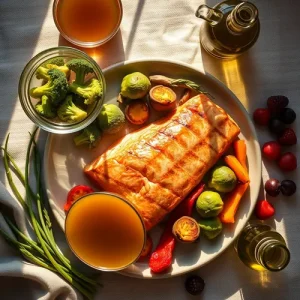
- Dinner: Roasted salmon, steamed Brussels sprouts, sweet potato drizzled with EVOO.
Expert Take: The Nightshade Nuance
A common question involves nightshades (tomatoes, peppers, eggplant, potatoes). The alkaloid solanine is often blamed for flares. In fifteen years of clinical observation, true sensitivity is rare—roughly 5-10% of inflammatory arthritis patients. Do not eliminate them preemptively; they offer valuable lycopene and Vitamin C. Run a strict three-week elimination, then challenge. If symptoms do not return, keep them in the rotation. Unnecessary restriction reduces dietary diversity, which harms the gut microbiome—a critical regulator of the immune system.Supplementation: Adjuncts, Not Replacements
Curcumin (with piperine or liposomal delivery), Vitamin D3 (target 50-70 ng/mL), and high-dose EPA/DHA are the only supplements with Grade A evidence for adjunctive therapy. Glucosamine and chondroitin show mixed results in meta-analyses; they work for a subset but are not universal. Always coordinate with your rheumatologist, especially if you are on anticoagulants or immunosuppressants. Managing arthritis through diet is a long-term metabolic investment, not a seven-day cleanse. The food to eat for arthritis strategy works by altering the substrate available for inflammatory enzyme production. Stick to the pattern, track your CRP and ESR trends with your physician, and expect measurable improvements in function within twelve weeks.Related reading: see this related guide and compare more options here.
How to Build Your Arthritis-Friendly Plate
Start by listing the tasks that eat most of your week. Rank them by time cost, then match each one to a feature on your shortlist. Ask vendors for a live demo using your own data, not a canned sample. Check reviews from teams of your size, since enterprise feedback can mislead. Finally, test one option with a small pilot group before rolling it out to everyone.
Common Mistakes to Avoid
The biggest mistake is buying for features you will never use. Keep the stack lean and master the basics first. Another trap is skipping training, which leaves half the value on the table. Schedule one short session per week until the team is fluent. Review usage numbers monthly and drop tools nobody opens.
Final Verdict: Eat to Ease Pain
For most small teams, the answer is yes, provided you start lean and measure results. Pick one bottleneck, fix it well, then expand. Revisit your choice every year as pricing and features change. The detailed comparisons above give you a solid starting point.
Weekly Prep: Top Food to Eat for Arthritis
Batch-cook salmon, lentils, and leafy greens every Sunday so top food to eat for arthritis picks stay ready. Keep frozen berries and olive oil stocked for fast breakfasts. This food to eat for arthritis habit beats skipping meals.
Dining Out Without Flare-Ups
Scan menus for grilled fish and vegetable sides before arriving. Ask for sauces on the side. Choosing food to eat for arthritis wisely keeps restaurant meals flare-free.
Verdict: Prep Once, Eat Well All Week
For steady relief, rotate the top food to eat for arthritis picks above and track symptoms. Repeat this food to eat for arthritis shortlist that keeps joints calmest each month.
Further reading on this site:
- plant medicines for natural energy and balance
- powerful natural food supplements
- 10 powerful homeopathic herbs
- the ancient power of garden of earth remedies
- herbal medicine doctors
- top vitamin supplement companies
- herb medicinal solutions
- 10 life changing medicine products from plants
Which foods should top an arthritis plate?
The best food to eat for arthritis relief includes salmon, leafy greens, berries, nuts, and olive oil. Build half your plate from these picks daily.
Are nightshades really harmful?
For most people, the top food to eat for arthritis lists still include tomatoes and peppers safely. Only cut them if your symptom diary shows a pattern.
What drinks help or hurt joints?
Water and green tea support comfort, while soda and excess alcohol worsen swelling. Track intake for two weeks to see changes.