Nutrition Foods: A Practical Plate Checklist for Adults
nutrition foods
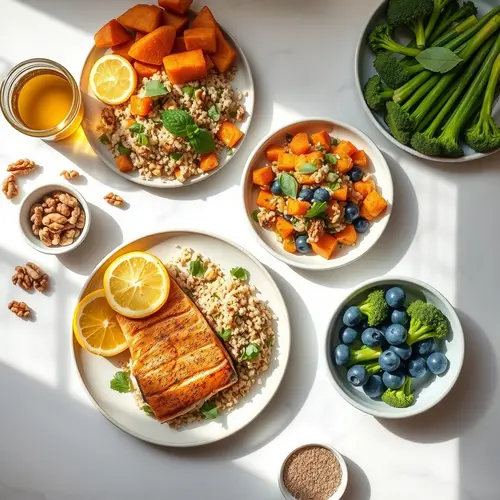
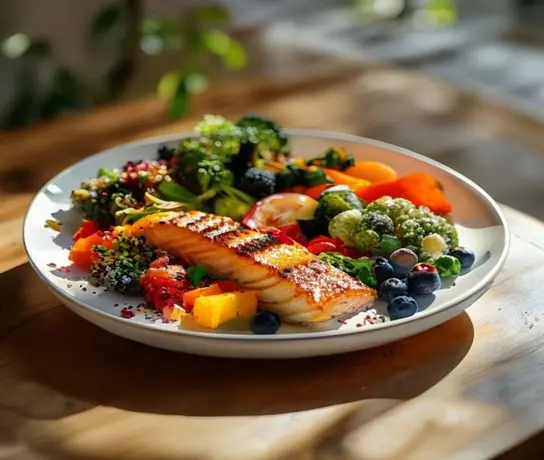
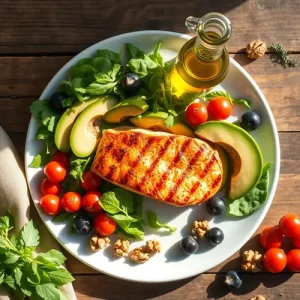
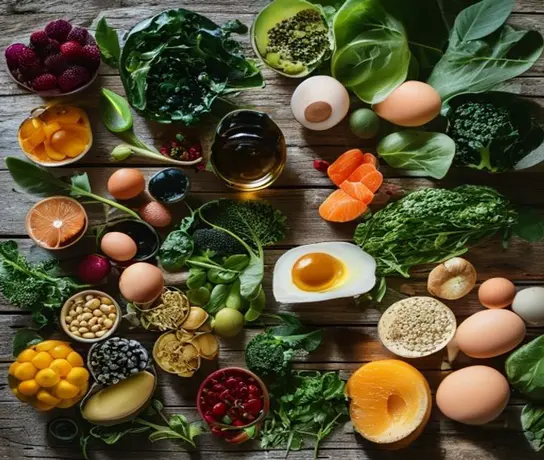
The most useful nutrition foods are not exotic. They are the ones you can buy on a normal week, cook in twenty minutes, and repeat without boredom. A plate with vegetables, a protein, a whole grain, and a little fat covers more than a supplement stack, and it costs less per meal.
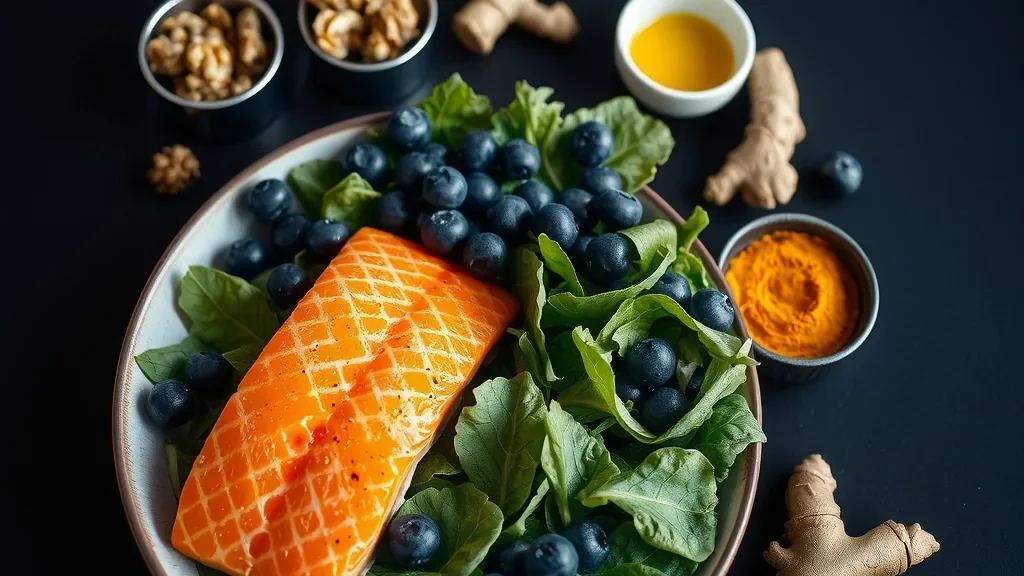
Omega-3 fats are part of that base; our guide to nutrition foods and omega-3 fats explains which sources are worth the shelf space.
What nutrition foods should do on your plate
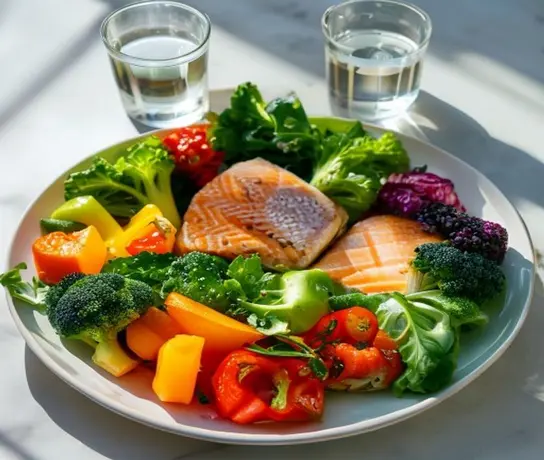
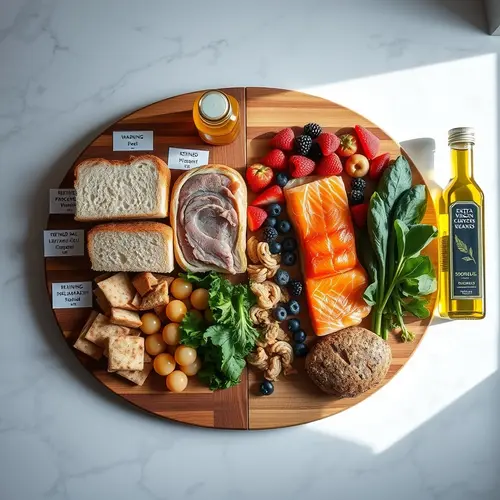
Think in jobs rather than nutrients. Vegetables and fruit add fiber, potassium, and volume, and they fill the plate without many calories, which matters if portion control is part of the goal. Protein builds and repairs tissue. Whole grains and starchy vegetables supply steady energy. Fat carries flavor and helps absorb vitamins. When one job is missing, meals feel unsatisfying and you snack more.
| Group | Portion | Key nutrients | Cheap examples |
|---|---|---|---|
| Vegetables | Half the plate | Fiber, vitamin C, folate | Cabbage, carrots, frozen broccoli |
| Protein | Palm-sized | Iron, B12, complete amino acids | Eggs, beans, chicken thighs, tofu |
| Whole grains | Fist-sized | Slow carbs, magnesium | Oats, brown rice, potatoes |
| Fat | Thumb-sized | Vitamin E, essential fatty acids | Olive oil, nuts, seeds |
| Fruit | One or two pieces | Potassium, fiber, polyphenols | Bananas, apples, frozen berries |
Protein, fiber, and color: the three checks
Before adding anything new, check three things. First, is there a protein source at breakfast, not only at dinner? Second, does the day reach roughly 25 to 38 grams of fiber? Third, are there two colors on the plate that are not beige? These checks catch most of the gaps that make a diet feel incomplete.
Fiber is the most underrated of the three. Beans, oats, lentils, and fruit cost little and keep hunger steady. Increase fiber slowly and drink enough water, or you will blame the food for a temporary adjustment. Give the change two weeks before judging it, and keep the meals simple enough to repeat.
Reading labels without the marketing
Ignore the front of the package. Look at the serving size first, then the fiber, protein, sodium, and added sugar per serving. A “high-protein” bar with 20 grams of protein and 18 grams of added sugar is a candy bar with a claim. A plain yogurt with 8 grams of protein and no added sugar is a better default.
Use the USDA FoodData Central database when you want the actual nutrient profile of a food instead of a marketing number. For population-level guidance, the WHO healthy diet fact sheet is a clear baseline.
Budget and storage: making nutrition foods last
Frozen vegetables, canned beans, oats, eggs, and seasonal produce cover most of the plate for less than a supplement subscription. Buy the frozen version when fresh is expensive or likely to spoil; the nutrient difference is small for most vegetables, and the waste difference is large. Store nuts and whole grains in sealed containers away from heat so they do not turn rancid.
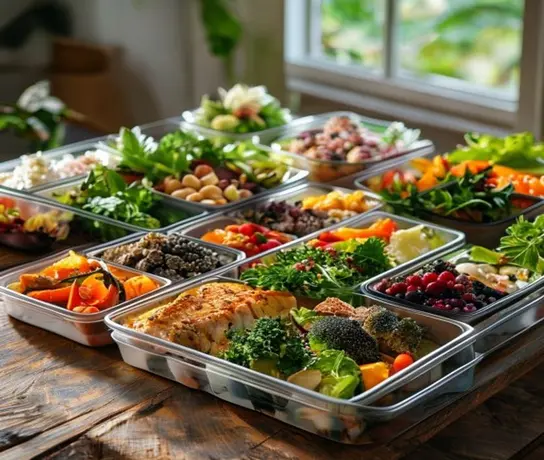
Cook once and portion twice. A pot of beans, a tray of roasted vegetables, and a batch of rice become three lunches with different sauces. This is the practical side of nutrition foods that recipe lists often skip: the plan has to survive a Wednesday when nobody wants to cook.
A three-day starter pattern
Day one: oats with milk, seeds, and frozen berries; a bean and vegetable bowl at lunch; baked chicken, potatoes, and salad at dinner. Day two: eggs with toast and tomato; lentil soup with bread; tofu stir-fry with rice and cabbage. Day three: yogurt with fruit and nuts; leftovers; fish with barley and roasted carrots.
Repeat the pattern rather than the exact meals. The goal is a default that survives a tired Tuesday, not a perfect menu. Keep frozen vegetables, canned beans, eggs, oats, and olive oil stocked so the default is always available. A short shopping list is part of the recipe, because the best nutrition foods are the ones already in the kitchen when hunger arrives.
When general advice is not enough
Pregnancy, kidney disease, diabetes, food allergies, and medications change the plan. Iron absorption, potassium limits, and protein targets are not one-size-fits-all. Ask a registered dietitian to adapt the plate to your labs and history. Do not use this article to self-diagnose or to replace treatment. Bring a three-day food record to the appointment; it gives the clinician more to work with than a memory of last week.
If inflammation is your concern, separate evidence from marketing: read what the evidence says about inflammatory foods, then compare it with diet patterns for chronic inflammation.
What are the most important nutrition foods to eat weekly?
Vegetables, a protein source, whole grains, fruit, and a healthy fat. Beans and eggs cover protein cheaply, oats and potatoes cover energy, and frozen vegetables cover fiber without waste. Variety helps, but consistency matters more than a perfect list.
Do I need supplements if I eat well?
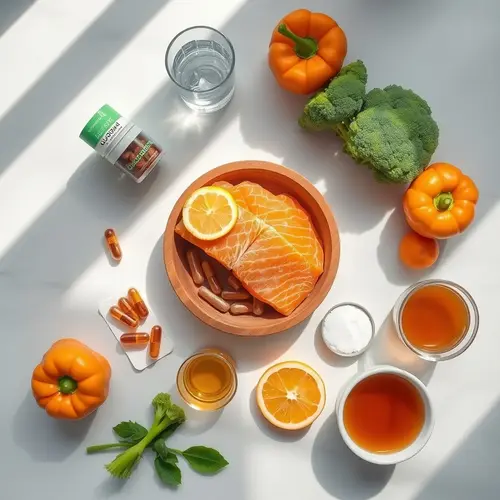
Most adults do not need a broad supplement stack. A clinician may recommend vitamin D, B12 for plant-based diets, or iron for a diagnosed deficiency. Bloodwork beats guesswork, and supplements can interact with medication.
How do I start without changing everything?
Add one vegetable and one protein to meals you already cook. Fix breakfast first, because it sets the pattern for the day. Then raise fiber slowly over two weeks and keep water nearby. Small repeats beat a one-week overhaul.
In practice, nutrition foods works best when the basics are handled before anything else. A quick note on nutrition foods: the follow-up matters as much as the first decision. If nutrition foods feels overwhelming, start with the smallest step that produces a visible result. Anyone weighing nutrition foods should compare at least two realistic options before deciding.
Mistakes that cost time and money
The most common mistake with nutrition foods is treating the first option you find as the only option. Comparison is not busywork: differences in scope, support, and timing often matter more than the headline number.
The second mistake is ignoring the follow-up. Whatever you choose, plan how you will check that it worked. A quick review after two weeks catches problems while they are still cheap to fix, and it turns nutrition foods from a one-time decision into something you can improve.
What to check before you start
Before committing time or money to nutrition foods, it helps to know what a good outcome looks like. Write down the result you actually need, the budget you can live with, and the deadline you are working against. Those three answers rule out most of the options that look attractive but do not fit your situation.
Next, look at the details that are easy to miss: what is included, what costs extra, and what happens when something goes wrong. Ask directly about timelines and follow-up. A clear answer is usually a better sign than a low price, because nutrition foods is rarely a one-off purchase of attention.