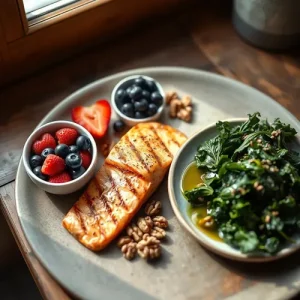
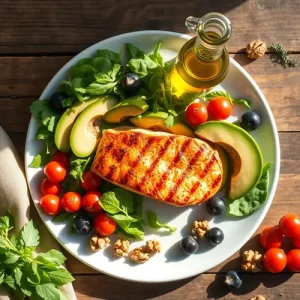
Avocados and omega: an avocado contributes mostly monounsaturated fat (oleic acid, an omega-9), plus a smaller but real portion of plant omega-3 (ALA) — about 0.15 g in a whole fruit — and it does all of that while carrying fiber, potassium, and folate alongside. So the correct expectation is not “an avocado loads you with omega-3” but “an avocado upgrades the fat quality of a meal at the same time it feeds you”. Here is the honest breakdown. This guide covers avocados omega with clear, practical steps.
The actual fat composition of an avocado
Per whole fruit, the fat budget breaks roughly along these lines: the great majority is oleic acid — the same monounsaturated fat that makes olive oil famous — followed by smaller quantities of polyunsaturated fat (both linoleic acid and some ALA) and a minor saturated share. In absolute terms, an avocado carries roughly 0.1-0.2 g of omega-3 ALA against an adult reference of about 1.1-1.6 g/day.
That ratio earns the avocado a specific job: it is a meal-quality upgrade, not an omega-3 staple. Anyone planning daily omega-3 coverage should lean on flaxseed, chia, walnuts, or fish — the avocado simply makes the plate more satisfying so the coverage plan survives until Thursday.
What avocados bring that oils do not
Value the whole fruit for its full package: fiber (most of an avocado’s carbohydrate is fiber), potassium in amounts few fruits approach, folate, vitamin K, vitamin E, and the creamy texture that turns a salad into a meal. The fat it supplies also slows digestion slightly, which people experience as steadier fullness compared with an otherwise identical fat-free plate — a practical point for anyone eating in a calorie-controlled pattern.
Bottle-versus-fruit comparisons miss a second difference entirely: an avocado arrives unsalted with nothing refined about it, while many “healthy oil” products arrive with processing history attached. Both belong in a kitchen; they serve different roles, and the fruit covers nutrients no bottle does.
Fresh fruit, cooking oil, supplement: covering the day without confusion
The omega-3 day plays out in three stations: ALA from plants (seeds or a finishing oil), marine EPA/DHA from fish twice weekly (or algae oil when fish is absent), and mid-meal fats such as an avocado or a handful of nuts that make the healthier pattern livable day after day. Only spreadsheet readers expect the avocado to carry the ALA totals; everyone else lets each item do its job.
For the numbers behind those stations, the omega 3 linoleic acid guide lists reference amounts for both essential fatty-acid families, and the family labels themselves — where the “omega” numbers come from — live in our fatty-acids-in-food guide.
Sorting the mind claims
“Boosts your mind” adjectives float around avocados the way they float around everything containing fat. The accurate version: the brain is a lipid-hungry organ whose cells incorporate DHA — the marine omega-3 — structurally, while public-health writing about mood and cognition points to whole-diet patterns rather than single foods. The avocado’s legitimate resume runs on nutrients, not secondhand brain promises: unsaturated fat, fiber, potassium, and folate all fit the patterns studied for heart and metabolic health.
Practical claim management: treat the avocado as a quality-fat fixture inside a decent diet — and if cognition is a personal focus, build the plate around fish or algae DHA plus whole fruits and vegetables, and leave single-food “focus” claims to the fine print where they live.
Easy ways to eat avocados past the toast cliché
Salad anchor: half an avocado mashed with lemon and a pinch of salt replaces heavy dressings — olive-oil compatible but thicker.
Breakfast plate: sliced avocado next to omega-3 eggs lines up EPA, DHA, oleic fat, and fiber in one dish.
Smoothie thickener: a quarter avocado adds body without dairy, plus potassium that fruit-only blends miss.
Dinner swapper: cubes of firm avocado upgrade a taco or grain bowl, replacing cheese portions rather than the vegetables.
Do avocado fats count toward your daily targets?
Yes — toward the general fat zone rather than the omega-3 reference. An avocado’s roughly 0.1-0.2 g ALA trims a sliver off the plant-omega-3 target, its oleic-acid share fills the monounsaturated column that cooking oils normally carry, and the remaining math stays where it always was. A day with half an avocado, walnuts on the oatmeal, and a canola-oil stir-fry lands comfortably inside a balanced-fat pattern without any single item working overtime.
Ownership of the produce-drawer question
Ripeness handling rounds out the practical picture fast: firm avocados ripen on the counter within a few days, need the fridge once they give slightly to pressure, and keep for another day or two after slicing with lemon juice and plastic wrap pressed to the cut surface. None of that changes the nutrition, but the waste rate decides whether the daily habit sticks — and an avocado habit has to survive imperfect weeks to keep its place on the plate.
Bottom line
The avocado belongs in the omega-3 conversation — as the fat-quality upgrade and the flavor keeper — while walnuts, flaxseed, fish, and algae remain the actual coverage specialists. Ten minutes of composition knowledge moves a dozen confusing comparisons out of the way, and meal planning starts with the totals in our fatty acids in food guide.
Yes, but modestly: a whole avocado provides roughly 0.1-0.2 g of plant omega-3 (ALA), against an adult reference intake of about 1.1-1.6 g/day. Most of the fruit’s fat is monounsaturated oleic acid, an omega-9.
Is avocado fat the same as olive oil?
Very close — both are dominated by oleic acid, a monounsaturated omega-9 fat. The avocado adds fiber, potassium and folate along with its fat, which is why the whole fruit earns a place on the plate even alongside a quality cooking oil.
Are avocados good for the brain?
They fit brain-healthy eating patterns through unsaturated fat, fiber, potassium and folate, but no single food delivers a mental boost on its own. For the structural omega-3 the brain actually uses (DHA), fatty fish or algae oil is the direct source.
Avocados omega
The points below explain how avocados omega works in everyday situations and where most people get stuck.
In practice, avocados omega works best when the basics are handled before anything else. A quick note on avocados omega: the follow-up matters as much as the first decision. If avocados omega feels overwhelming, start with the smallest step that produces a visible result. Anyone weighing avocados omega should compare at least two realistic options before deciding.