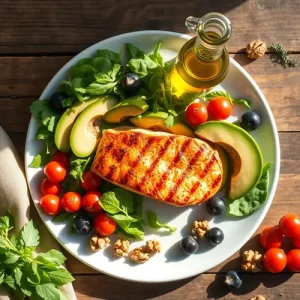
Joint pain food choices can ease stiffness, support cartilage and reduce the inflammation that makes movement feel difficult. Research consistently points to fatty fish, colorful produce, nuts, seeds and leafy greens as the most useful everyday options. None of them works like a drug, but together they create a dietary pattern that helps joints over months and years. This guide explains which foods matter, how much to eat and how to build meals around them without turning dinner into a chemistry lesson.
Why Joint Pain Food Choices Matter
Joints are living tissue, and the food you eat supplies the raw material for repair. Omega-3 fats help regulate the inflammatory response, antioxidants protect tissue from oxidative stress and minerals support the collagen matrix inside cartilage. A diet heavy in processed food, refined sugar and excess alcohol pushes the body in the opposite direction. The goal is not perfection but a steady pattern in which helpful foods appear most days.
Best Joint Pain Food Groups Backed by Science
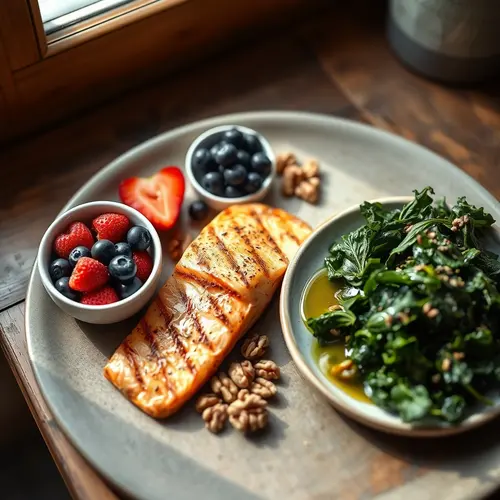
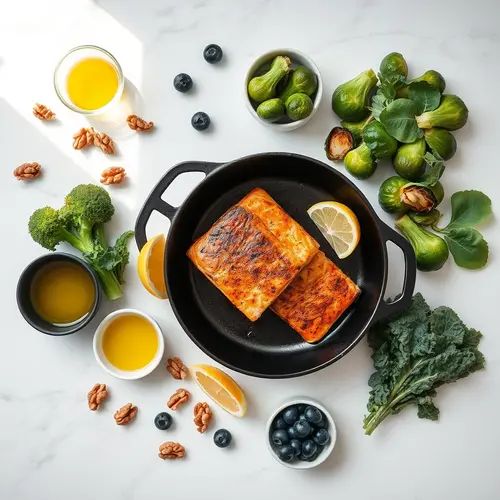
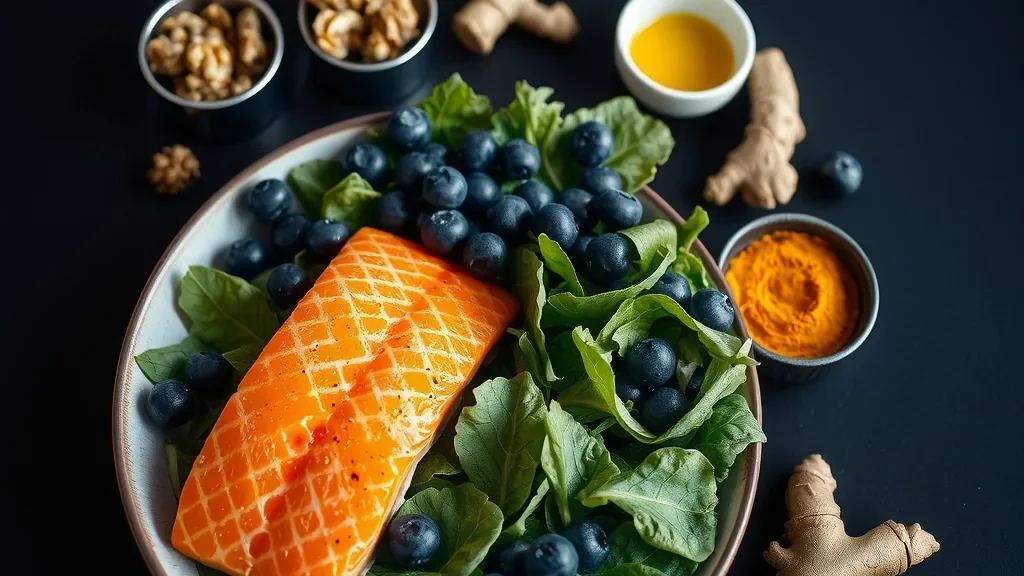
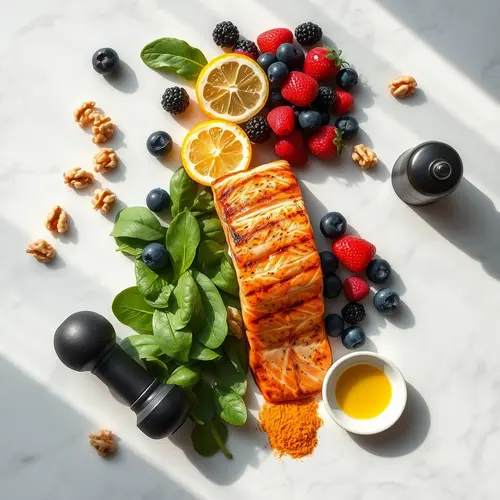
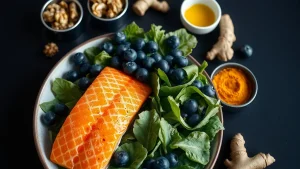
Fatty fish such as salmon, mackerel and sardines deliver EPA and DHA, the omega-3 fats most clearly linked to reduced morning stiffness. Aim for two servings a week and choose canned fish when fresh is expensive, because the omega-3 content is comparable. Berries supply anthocyanins that help lower oxidative stress, while walnuts and chia seeds add alpha-linolenic acid and minerals. Leafy greens such as kale and spinach provide vitamin K and calcium for bone density.
Food
Key Compound
Serving
Main Benefit
Salmon
EPA and DHA
2 to 3 oz cooked
Reduces joint swelling
Blueberries
Anthocyanins
1 cup fresh
Lowers oxidative stress
Walnuts
Alpha-linolenic acid
1/4 cup
Supports cartilage
Kale
Vitamin K and calcium
1 cup chopped
Strengthens bone
Spices deserve a place too. Turmeric contains curcumin, which interferes with inflammatory pathways, and ginger offers similar effects with fewer stomach problems than some painkillers. A teaspoon of either in soup, tea or a stir-fry is an easy daily addition. Olive oil, green tea and citrus fruit round out the pattern with polyphenols that support the same goals.
How to Build Everyday Meals Around These Foods
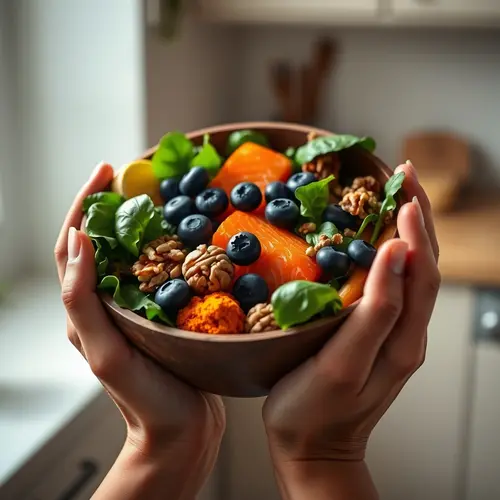
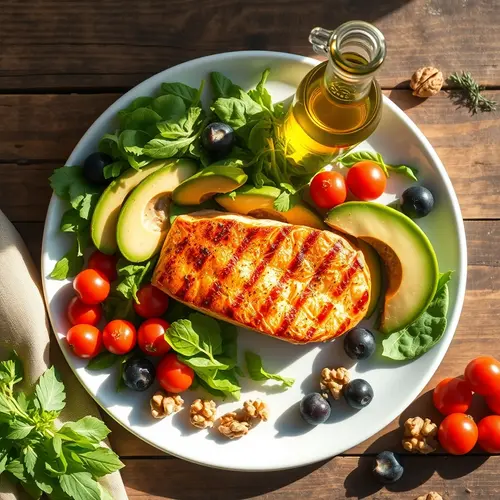
Breakfast can be Greek yogurt with berries, ground flaxseed and walnuts, a simple start to a day of joint pain food. Lunch might be a salad with salmon, spinach, tomato and olive oil, or a lentil bowl with kale and seeds. Dinner can follow the same logic: a piece of fish or beans, a generous serving of vegetables and a whole grain. Snacks of fruit, nuts or hummus keep the pattern steady between meals.
Portion size still matters, because extra weight increases mechanical load on knees and hips. A palm-sized serving of protein, a cupped hand of nuts and a fist-sized portion of produce is a simple guide. Keep water close at hand as well, since hydration supports synovial fluid and helps joints glide smoothly. Small, repeatable habits beat an ambitious plan abandoned after a week.
Foods and Habits That Work Against You
Ultra-processed snacks, sugary drinks and heavy fried food promote inflammation and add calories without nutrients. Alcohol in large amounts interferes with sleep and recovery, and poor sleep makes pain feel worse. Smoking damages circulation and slows tissue repair. None of these needs to be banned forever, but each one is worth reducing if joint comfort is the goal.
Movement matters as much as diet. Pairing joint pain food with regular activity gives the body both the materials and the stimulus it needs. Swimming, cycling, walking and tai chi improve lubrication and strength without pounding the joints. A physiotherapist can tailor a plan when pain is persistent. Food supports that work; it does not replace medical care, and sudden or severe joint pain should always be assessed by a clinician.
Meal Prep and Budget Tips
Joint pain food does not have to be expensive. Frozen fish, frozen berries and canned salmon keep most of their nutritional value and cost far less than fresh alternatives. Buy leafy greens in season, wash and dry them, then store them with a paper towel so they last the week. Batch-cook a grain such as brown rice or quinoa once and use it as a base for several meals.
Prepare a simple jar or container the night before so the healthy choice is also the easy choice. Keep nuts portioned in small bags, chop vegetables ahead and freeze leftover soup in single servings. When time is short, a can of sardines on whole-grain toast with tomato is a legitimate joint pain food meal rather than a compromise. Preparing ahead is the most reliable way to keep joint pain food on the plate during a busy week.
When to Talk to a Professional
Diet is supportive, not curative, and joint pain food is one part of a wider plan. See a clinician if pain lasts more than a few weeks, wakes you at night, comes with swelling or redness, or limits ordinary movement. A doctor or dietitian can check for deficiencies, review medications and rule out conditions that need treatment. Bringing a short food diary to that appointment makes the conversation far more useful.
A Simple Weekly Plan
Two servings of fatty fish, fresh or canned.
Berries most mornings, fresh or frozen.
A handful of walnuts or chia seeds daily.
Leafy greens at lunch or dinner.
Turmeric or ginger in one meal a day.
Water instead of sugary drinks.
Low-impact movement on most days.
Where to Start Tomorrow
Choose one meal and rebuild it around joint pain food principles, then repeat it until it becomes routine. Add a second meal the following week and a third after that. Progress comes from consistency rather than intensity, and the pattern is flexible enough to survive travel, budget changes and busy seasons. Over time, these choices support comfort, mobility and the confidence to keep moving.
Our guide to joint nutrition, health and mobility explains the nutrients in more detail, and our list of foods for arthritis relief adds practical meal ideas. For a reliable medical overview, MedlinePlus from the U.S. National Library of Medicine is a dependable starting point. The master anti-inflammatory foods list hub keeps this strategy aligned with calm-eating swaps.
Fatty fish, berries, walnuts, chia seeds, leafy greens, turmeric and ginger are the most consistently useful options in a joint-friendly diet.
How often should you eat joint pain food?
Aim for helpful foods most days, with fatty fish twice a week and a daily handful of nuts or seeds rather than occasional large portions.
Can diet replace medical treatment for joint pain?
No. Diet supports joint health, but persistent or severe pain should be assessed by a clinician, and food does not replace prescribed treatment.
A quick note on joint pain food: the follow-up matters as much as the first decision. If joint pain food feels overwhelming, start with the smallest step that produces a visible result. Anyone weighing joint pain food should compare at least two realistic options before deciding.