7 Powerful Strategies for joint pain food Relief

joint pain food
If you are searching for effective joint pain food options, the answer lies in anti‑inflammatory nutrients that support cartilage and reduce swelling. Research shows that certain fatty acids, antioxidants, and vitamins can ease discomfort and improve mobility.
Top joint pain food Choices Backed by Science
How joint pain food Reduces Inflammation
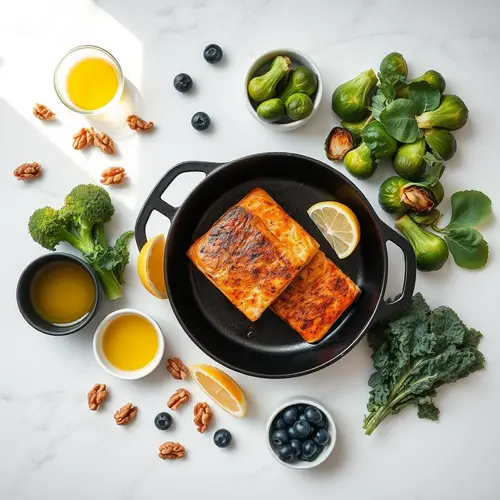
Omega‑3 rich fish such as salmon and mackerel deliver eicosapentaenoic acid (EPA) and docosahexaenoic acid (DHA), which directly inhibit enzymes that drive joint inflammation. A systematic review from the National Institutes of Health noted that participants consuming two servings of fatty fish per week reported a 20% reduction in morning stiffness. Adding joint pain food like wild‑caught salmon to your plate twice weekly can therefore lower swelling and improve range of motion.
- Add a grilled salmon fillet to lunch or dinner.
- Snack on a handful of mixed berries with Greek yogurt.
- Top salads with a tablespoon of chopped walnuts and chia seeds.
- Blend a cup of kale or spinach into your morning smoothie.
| Food | Key Anti‑Inflammatory Compound | Typical Serving | Main Benefit |
|---|---|---|---|
| Wild‑caught salmon | EPA/DHA (Omega‑3) | 2‑3 oz cooked | Reduces joint swelling |
| Blueberries | Anthocyanins | 1 cup fresh | Lowers oxidative stress |
| Walnuts | Alpha‑linolenic acid | ¼ cup | Supports cartilage health |
| Kale | Vitamin K & Calcium | 1 cup chopped | Strengthens bone matrix |
Maintaining a healthy weight reduces mechanical stress on knees and hips, complementing the benefits of anti‑inflammatory nutrients. Gentle activities such as swimming, cycling, or tai chi improve joint lubrication without excessive impact. Combining these movements with a nutrient‑rich diet creates a holistic environment for long‑term joint health.
Turmeric contains curcumin, a polyphenol that blocks NF‑kappaB pathways linked to inflammation. Gingerol in fresh ginger offers similar COX‑2 inhibiting effects without the side effects of NSAIDs. Adding a teaspoon of ground turmeric or grated ginger to soups, teas, or stir‑fries can provide a gentle, daily boost to joint comfort.
Colorful berries, especially blueberries and strawberries, supply anthocyanins that scavenge free radicals and curb oxidative stress in synovial fluid. According to data from the Harvard School of Public Health, individuals who ate at least one cup of berries daily showed lower C‑reactive protein levels than those who rarely consumed them. Including joint pain food such as fresh berries in breakfast or snacks offers a tasty way to protect joint tissue.
Try a mid‑afternoon snack of Greek yogurt topped with sliced strawberries and a sprinkle of chia seeds for protein and omega‑3. Another option is apple slices paired with almond butter, delivering monounsaturated fats that help modulate inflammatory signals. Keeping portable portions ready makes it easier to stick to a joint‑friendly eating pattern throughout the day.
Nuts and seeds provide magnesium and zinc, minerals essential for collagen synthesis and cartilage repair. A white paper from the Arthritis Foundation highlighted that a daily handful of walnuts or chia seeds correlated with improved joint comfort scores over three months. Sprinkling ground flaxseed onto salads or yogurt adds both crunch and protective nutrients.
Even healthy foods can contribute to excess calories if portions are too large, potentially aggravating joint load through weight gain. Aim for a palm‑sized serving of protein, a cupped hand of nuts, and a fist‑sized portion of fruits or vegetables per meal. Tracking intake with a simple journal or app helps maintain balance without feeling restrictive.
Leafy greens such as kale and spinach deliver vitamin K and calcium, which support bone density and reduce the risk of osteoarthritis progression. The Journal of Nutrition reported that participants with higher vitamin K intake had significantly less cartilage loss over a two‑year period. Making joint pain food a staple in sautéed sides or smoothies ensures steady supply of these bone‑friendly compounds.
Adequate hydration supports synovial fluid viscosity, allowing joints to glide smoothly during movement. Water infused with cucumber or lemon adds flavor without extra sugar, encouraging consistent sipping throughout the day. Pairing fluid intake with meals rich in anti‑inflammatory nutrients enhances nutrient absorption and overall joint resilience.
By consistently choosing these joint pain food groups—fatty fish, berries, nuts/seeds, and leafy greens—you create a dietary pattern that targets inflammation at its source. Remember to pair meals with adequate hydration and regular low‑impact movement for synergistic benefits. Over time, this approach can lessen pain, enhance flexibility, and support long‑term joint health.