Inflammatory Foods List: 7 Proven Groups to Avoid
inflammatory foods list
Understanding The Inflammatory Foods List Foundation
Inflammation occurs when your immune system releases cytokines and other chemical mediators in response to perceived threats. While acute inflammation helps heal injuries, chronic inflammation damages healthy tissue. Certain foods consistently elevate inflammatory markers like C-reactive protein and interleukin-6 in blood tests.The National Institutes of Health has documented strong correlations between dietary patterns and inflammatory disease progression. Foods high in refined carbohydrates, trans fats, and omega-6 fatty acids shift your body into a pro-inflammatory state.The Complete List: Foods That Trigger Inflammation
Refined Sugars and Sweeteners
Added sugars spike insulin levels and promote the release of inflammatory cytokines. This inflammatory foods list category includes:- High-fructose corn syrup
- White sugar and brown sugar
- Agave nectar
- Artificial sweeteners (aspartame, sucralose)
Processed and Red Meats
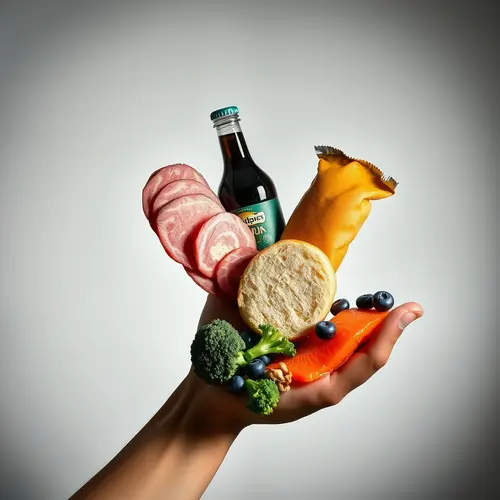
The American Heart Association links processed meats to elevated inflammatory markers. These proteins contain advanced glycation end products (AGEs) and high levels of saturated fats.- Bacon and sausage
- Hot dogs and deli meats
- Beef jerky
- Conventionally raised red meat
Refined Grains and Starches
Stripping grains of their fiber and nutrients creates rapid glucose spikes. Every inflammatory foods list should highlight:- White bread and pasta
- White rice
- Most breakfast cereals
- Pastries and baked goods
- Crackers and pretzels
Industrial Seed Oils
These oils contain disproportionate omega-6 to omega-3 ratios, promoting eicosanoid production that drives inflammation.- Soybean oil
- Corn oil
- Canola oil
- Safflower oil
- Sunflower oil
Trans Fats and Hydrogenated Oils
Research published in major cardiology journals shows trans fats damage endothelial cells and increase inflammatory biomarkers.- Margarine and shortening
- Fried fast food
- Commercial baked goods with “partially hydrogenated” oils
- Microwave popcorn with artificial butter
Alcohol and Sugary Beverages
- Beer and cocktails with mixers
- Soda and energy drinks
- Sweetened coffee drinks
- Fruit juice concentrates
Processed Dairy Products
- Ice cream with additives
- Flavored yogurts with added sugars
- Processed cheese products
Why These Foods Activate Inflammatory Pathways
The mechanism varies by food type. Refined carbohydrates trigger insulin resistance, which activates nuclear factor kappa B (NF-κB), a protein complex that controls inflammatory gene expression. Trans fats interfere with cellular membrane function, causing immune cells to release pro-inflammatory signals.Processed meats contain heterocyclic amines formed during high-heat cooking. These compounds generate oxidative stress and stimulate inflammatory cascades. The preservation process adds nitrates that convert to N-nitroso compounds, further aggravating immune responses.Excess omega-6 fatty acids from industrial seed oils compete with omega-3s for the same enzymes. When omega-6s dominate, your body produces more arachidonic acid, which converts to pro-inflammatory prostaglandins and leukotrienes.Expert Insight: The Vegetable Oil Misconception
Many people assume vegetable oils labeled “heart-healthy” cannot appear on an inflammatory foods list. This represents one of the most persistent nutritional myths. While these oils may not raise LDL cholesterol significantly, their inflammatory effects stem from oxidation during processing and the omega-6 overload they create.In clinical practice, patients who eliminate these oils while maintaining other dietary habits often show measurable decreases in inflammatory markers within 8-12 weeks. The marketing around these products obscures their biological impact on chronic inflammation.What Inflammation Looks Like In Your Body
Understanding the symptoms helps you identify problematic foods. Common signs include joint stiffness, persistent fatigue, digestive issues, skin problems like eczema or psoriasis, and brain fog.Laboratory tests measure specific inflammatory markers. C-reactive protein (CRP) levels above 3.0 mg/L indicate chronic inflammation. Erythrocyte sedimentation rate (ESR) and interleukin-6 levels provide additional data points.Individual Variability: The Inflammatory Foods List Context
Not everyone reacts identically to these foods. Genetic factors, gut microbiome composition, and existing health conditions influence inflammatory responses. Someone with rheumatoid arthritis may react more severely to nightshade vegetables, while a person with inflammatory bowel disease might struggle with dairy.This personalization matters. An elimination diet protocol helps identify your specific triggers beyond the standard inflammatory foods list.Anti-Inflammatory Alternatives
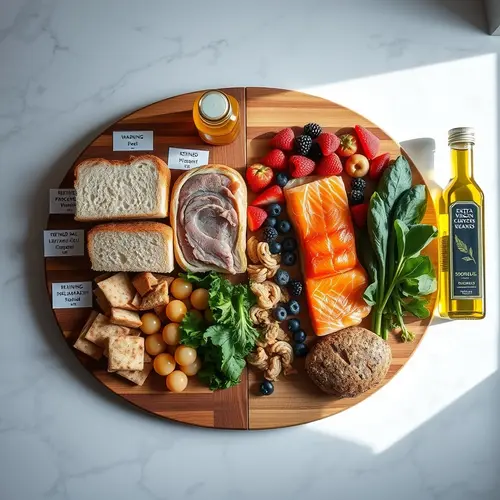
Replacing inflammatory foods requires practical substitutions:| Inflammatory Food | Anti-Inflammatory Alternative | Key Benefit |
|---|---|---|
| Soybean oil | Extra virgin olive oil | High in oleic acid and polyphenols |
| White bread | Sprouted grain bread | Lower glycemic impact, higher fiber |
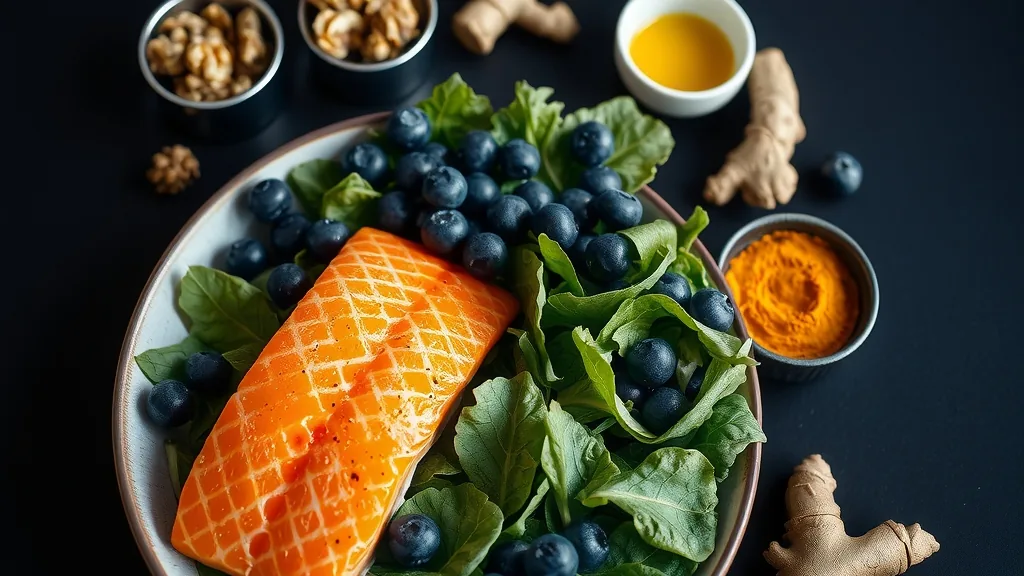
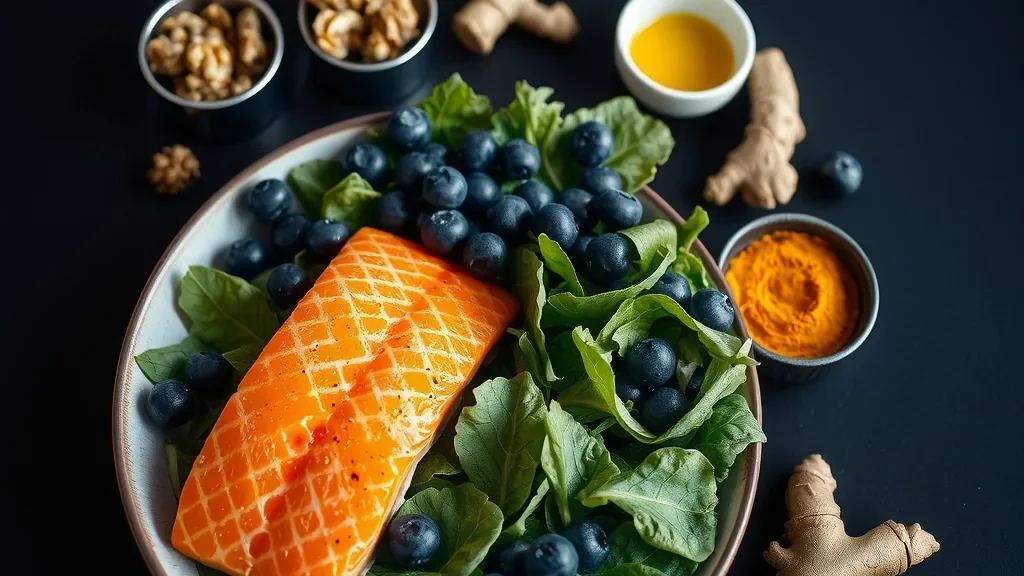
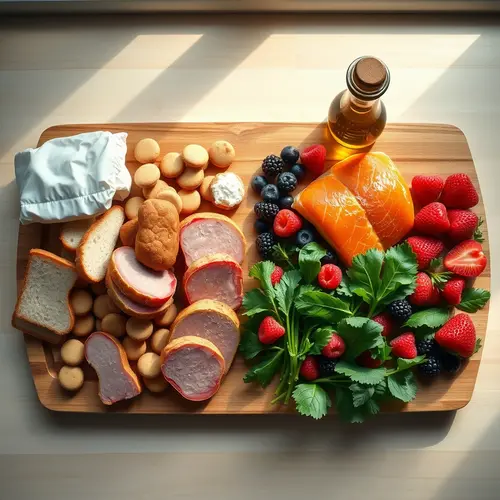
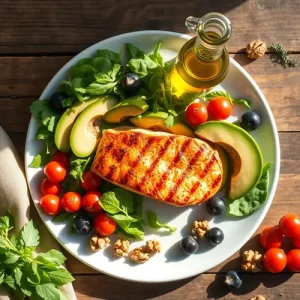
| Processed deli meat | Wild-caught salmon | Rich in omega-3 EPA and DHA |
| Soda | Green tea | Contains EGCG, a potent anti-inflammatory compound |
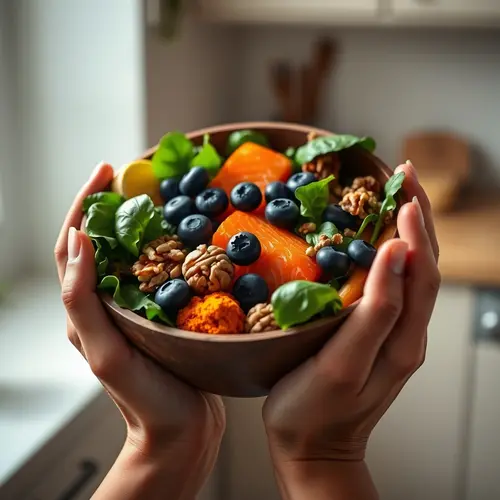
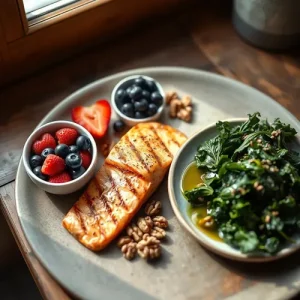
| Commercial baked goods | Fresh berries with nuts | Antioxidants and healthy fats |
| Margarine | Grass-fed butter or ghee | Contains butyrate and conjugated linoleic acid |
Implementation Strategy: Beyond The List
Reading this inflammatory foods list means nothing without action. Start by eliminating one category for two weeks while tracking symptoms in a journal. Note energy levels, joint pain, digestive comfort, and sleep quality.Focus on whole foods that lack ingredient labels. Shop the perimeter of grocery stores where fresh produce, quality proteins, and unprocessed options live. Batch cook anti-inflammatory meals to avoid convenience food temptation during busy periods.Work with a registered dietitian if you have complex health conditions. They can order inflammatory marker tests and design personalized protocols that address your specific biochemistry.The Bigger Picture: Food Quality Matters
Source quality amplifies or mitigates inflammatory potential. Conventionally raised beef contains different fatty acid profiles than grass-fed beef. Farm-raised salmon has less omega-3 and more omega-6 than wild-caught varieties. Organic produce carries fewer pesticide residues that can trigger immune responses.These distinctions matter when fine-tuning your diet. The trigger-food list provides a foundation, but the quality of what you eat builds on that base.Managing inflammation through diet requires understanding which specific foods trigger your immune system. This comprehensive inflammatory foods list gives you the knowledge to make informed choices. Remove the primary offenders, replace them with anti-inflammatory alternatives, and monitor your body’s response. The reduction in chronic inflammation often produces noticeable improvements in energy, pain levels, and overall Harvard nutrition research within weeks.Related reading: see this related guide and compare more options here.
How to Use This List When You Shop
The Anti-Inflammatory Foods List At a Glance (Printable)
Copy this table to your notes app or print it and stick it on the fridge. Grouped the way grocery aisles actually run, it is the fastest usage of the anti-inflammatory foods list for weekly shopping.
You can go deeper in our guide to Anti-Inflammatory Diet: Foods to Eat and Foods to Limit.
| Aisle | Choose more often | Limit or swap |
|---|---|---|
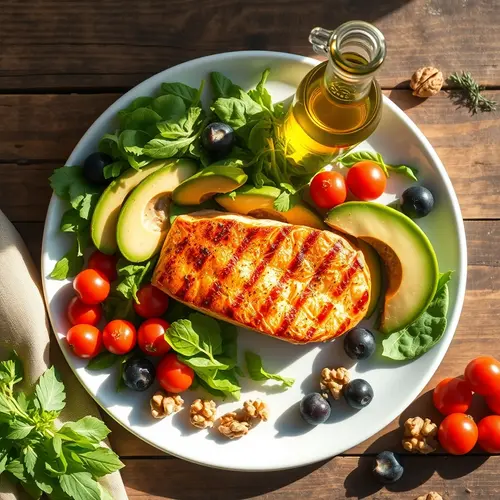
| Produce | Leafy greens (spinach, kale), broccoli, Brussels sprouts, berries, cherries, oranges, avocado | — (all vegetables and fruit count) |
| Seafood counter | Salmon, sardines, mackerel, herring — twice weekly as a rhythm | — (canned versions count fully) |
| Dairy & eggs | Plain yogurt (fermented), omega-3 fortified eggs | Flavored yogurts with added sugar |
| Grains | Oats, quinoa, brown rice, barley, whole-grain bread | White bread, most boxed cereals |
| Beans & legumes | Black beans, lentils, chickpeas, edamame | — (canned beans rinsed = fine) |
| Oils & fats | Extra-virgin olive oil first, avocado oil second, walnuts, chia, ground flaxseed | Butter-heavy cooking, palm/fried-oil packaged snacks |
| Spices & drinks | Turmeric, ginger, garlic, cinnamon; green tea, plain coffee | Sugary lattes, sweetened iced teas |
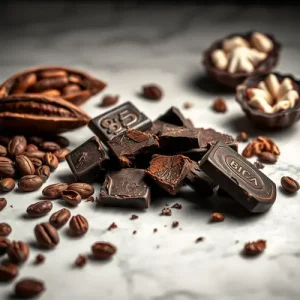
| Snack & checkout aisles | Plain nuts, dried fruit without sugar coating, dark chocolate 70% | Chips, processed meat sticks, pastries, candy |
Two carbon rules keep the list honest: fiber-rich foods ride the “choose” column automatically, and anything with added sugar printed in the first three ingredients usually belongs in the “limit” lane regardless of health claims on the box.
Seven-Day Starter Pattern Built From the List
Day one through three: oats with walnuts and berries for breakfast, a vegetable-loaded lunch with beans, and a fish dinner with two vegetables. Day four: a rotation day — leftovers repurposed, eggs with sautéed greens, and yogurt with seeds as the snack that quietly covers protein. Day five to seven: repeat the strongest two dinners, roast a tray of vegetables once for the whole week, and let olive oil runs the sautés while flaxseed tops the breakfasts.
The pattern eats roughly 30 different plants a week, carries omega-3s from fish or seeds daily, and requires exactly one shopping list — no specialty products, no supplements required to make it work, and no exotic ingredients your store may not stock.
How to Use This List When You Shop
Shop the edges of the store first — produce, seafood, dairy, and grains — then step into the center aisles with the list for exactly two items: cooking oil and canned fish. Read labels on anything packaged for added sugar and refined-flour fronts, and let the pantry checklist below carry the rest.
Your 60-Second Pantry Checklist
- Cooking oil: extra-virgin olive oil visible first in the lineup; second bottle canola or avocado for higher-heat jobs.
- Fish: two cans ready for dinner nights (sardines, mackerel, or salmon) that already fit the twice-weekly rhythm.
- Seeds: ground flaxseed or chia somewhere sealed; a walnut jar counted as nuts oleaginously, not as a treat shelf.
- Grains: one whole-grain breakfast staple (oats wins most kitchens) plus at least one dinner grain via a bag (brown rice, quinoa, barley).
- Legumes: cans of black beans and lentils for zero-prep protein backups.
- Spice rack: turmeric and ginger live within reach — regular use, not decorative bottles.
- Drinks: unsweetened green or black tea, coffee without sugar additions, water primary.
That is the whole checklist. Nothing on it is expensive, and every line maps back to a food group covered in the main list above — which is exactly what turns an “anti-inflammatory foods list” from an article into a habit. For the standard behind our rechecks, read the How We Review page for the source list and update cadence.
Further reading on this site:
- essential nutrition for adults
- nutrition foods best health
- fda dietary supplement guide
- the essential omega 3 linoleic acid
- how dha nutrition boosts energy
- how omega 3 supplements support health
- how avocados omega boost your mind
- why omega 3 is a nutrient
What belongs on an inflammatory foods list?
A standard inflammatory foods list covers sugary drinks, refined snacks, processed meats, excess alcohol, and trans fats. Post it on your fridge as a reminder.
How do I use this list while shopping?
Read ingredient panels for added sugars and hydrogenated oils before buying. Choose whole foods from the outer aisles first.
Can I ever eat listed foods again?
Small portions on rare occasions rarely erase progress. Return to the inflammatory foods list plan at the next meal.
A quick note on inflammatory foods list: the follow-up matters as much as the first decision. If inflammatory foods list feels overwhelming, start with the smallest step that produces a visible result. Anyone weighing inflammatory foods list should compare at least two realistic options before deciding. In practice, inflammatory foods list works best when the basics are handled before anything else.