How DHA Nutrition Boosts Energy: The Brain Fuel Explained
DHA nutrition in one line: DHA (docosahexaenoic acid) is a long-chain omega-3 fat your body uses as structural material for the brain and eyes — not as fuel. The word you often see beside it (“boosts energy”) confuses two different systems: DHA is about building and maintaining tissue; your energy supply comes from calories, and DHA provides only a small share of them.
Here is the accurate picture: what DHA actually does, how your body obtains it, the reference numbers that apply, and where the real energy connection fits in.
What DHA actually does
DHA is the most abundant long-chain omega-3 in human brain and retinal tissue. Reference material from the NIH Office of Dietary Supplements notes that DHA concentrations are especially high in the brain, the eye, and sperm cells, and that fatty acids like DHA form part of the membranes surrounding every cell and give the body some of its energy.
Structural fats are not consumed by feel: you do not notice DHA working, the way you notice caffeine. That is why studies on cognition, vision, brain maturation in infants, and healthy aging keep drawing careful, measured conclusions rather than overnight transformation claims.
Where the “energy” framing needs correcting
Every gram of fat provides roughly nine calories, so DHA does contribute some calories when metabolized. But no one’s daily energy depends on DHA specifically — first because the amount in typical supplement doses is tiny relative to a full meal, and second because the body can use plenty of other fatty acids for fuel.
The felt “energy from omega 3” that supplement advertising describes usually traces back to something else entirely: consistent intake of whole meals, a stable sleeping routine, or the placebo effect of starting a new health regimen. Choosing DHA for brain and eye nutrition is a legitimate reason; choosing it for a stimulant-like effect is not.
How your body gets DHA
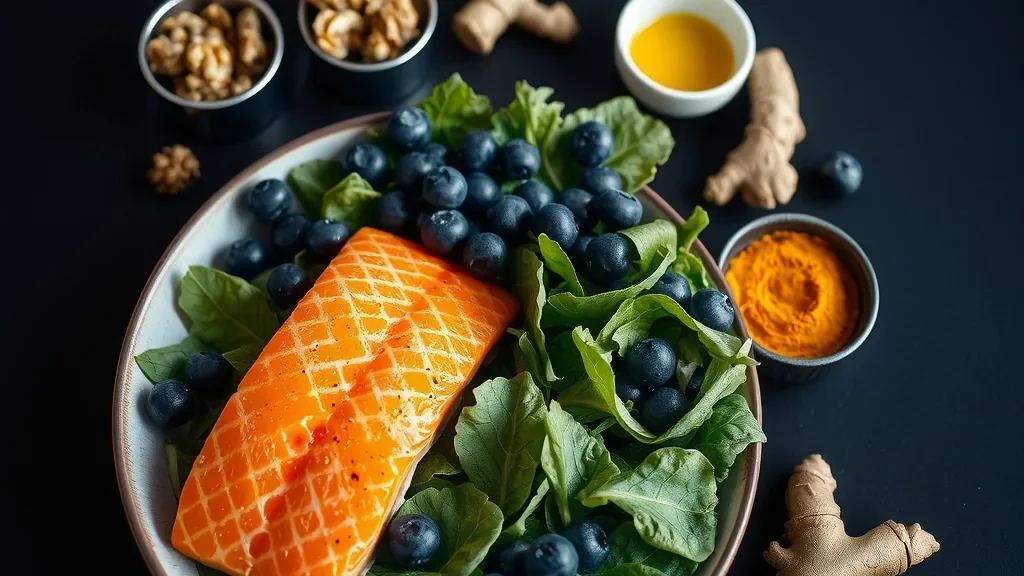
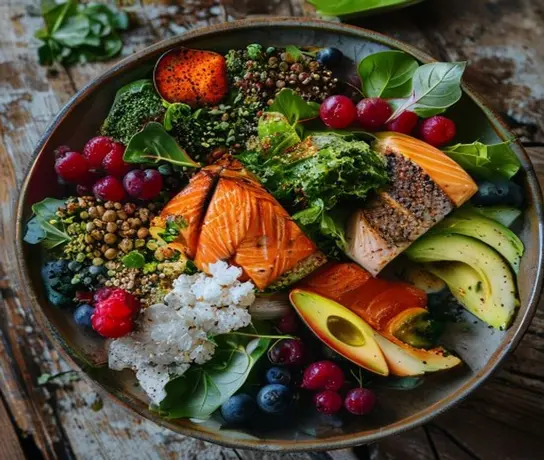
There are two doors into your DHA pool. The first is direct dietary intake: fatty fish like salmon, sardines, mackerel, herring, and tuna provide ready-made DHA, and fish or algae-based supplements offer it in capsule form. The second is internal conversion — your body turns plant-based ALA (flaxseed, chia, walnuts) into small amounts of DHA, but that pathway is inefficient.
This two-door system explains a regular pattern in nutrition surveys: people who eat seafood regularly rarely need to think about DHA, while strict vegetarians and fish-avoidant eaters typically sit at lower tissue levels unless they use algae oil.
Reference numbers and life stages
U.S. reference tables do not set a fixed DHA requirement for adults; the Adequate Intake applies to ALA, the plant parent omega-3 (1.6 g/day for men, 1.1 g/day for women). Special situations change the conversation — pregnancy, breastfeeding, and infant nutrition each have their own reference points, because DHA accumulates rapidly in the brain during growth. Anyone in those stages should work from product label amounts and clinical guidance rather than general adult numbers.
Supplement labels express doses in EPA + DHA sums. A common maintenance range in studies covers a few hundred milligrams daily; regulatory ceilings referenced by U.S. agencies sit near 3 g/day combined, with up to roughly 2 g/day from supplements absent medical supervision.
Whole-food vs supplement routes
Fish twice weekly covers DHA naturally and brings protein, vitamin D, selenium, and iodine along for free. Supplements make sense when seafood is off the menu — allergy, taste, budget, or access — and a consistent, label-clear dose beats occasional heroic fish dinners.
Third-party-tested products matter here: look for certification seals (USP, NSF, or similar) so the listed EPA and DHA is what the bottle actually contains. Keep in mind mild but real side effects — a fishy aftertaste and digestive discomfort — and take capsules with meals to reduce both.
The energy claim, tested against your day
Run the arithmetic in reverse and the marketing dissolves quickly. A typical one-gram DHA capsule provides around nine calories — roughly 0.4% of the 2,000-calorie daily reference. Even a large triple-dose regimen stays under 1% of daily energy, so any difference in how “awake” you feel within days of starting capsules is not coming from its fuel value.
What does change over weeks is tissue supply: people starting from low seafood intake build their membrane DHA pools slowly, and some study outcomes track those tissue levels rather than immediate feelings. That is the honest timescale — months for structure, not minutes for fuel — and it matches how structural nutrients behave elsewhere in the body.
Sensible bottom line
DHA nutrition is a structural subject, not an energy subject: it builds and maintains the membrane systems of the brain and eyes, lives mainly in seafood and algae, and shows up in reference tables through life-stage needs rather than a universal gram figure. Cover it with fish a couple of times weekly, use algae oil when that is impractical, and let calories — not DHA — carry your daily energy load.
For the two-member comparison, our guide to DHA and EPA separates their roles side by side.

Primary reference used for amounts and definitions: NIH Office of Dietary Supplements — Omega-3 Fatty Acids (Consumer Fact Sheet).
Does DHA give you energy?
Not in the sense advertising suggests. A gram of fat supplies about nine calories, but DHA doses are small and its real job is structural — building brain and eye membranes. Devoted energy comes from overall calorie intake and sleep, not DHA.
How much DHA do I need daily?
There is no fixed adult reference for DHA in the United States; the Adequate Intake applies to ALA (1.6 g/day men, 1.1 g/day women). Practical guidance points to regular fatty-fish servings, and formula or pregnancy decisions should use clinical advice.
What foods are highest in DHA?
Cold-water fatty fish: salmon, sardines, mackerel, herring, and tuna lead the list. For vegetarian diets, algae-derived oil is the only practical direct source of DHA, since algae are the original producers in the marine food chain.
Dha nutrition
Use this section as a quick reference for dha nutrition before working through the steps above.
In practice, dha nutrition works best when the basics are handled before anything else. A quick note on dha nutrition: the follow-up matters as much as the first decision. If dha nutrition feels overwhelming, start with the smallest step that produces a visible result. Anyone weighing dha nutrition should compare at least two realistic options before deciding.