Inflammitory Foods: 7 Science-Backed Dangers You Must Avoid

inflammitory foods
Understanding inflammitory foods is essential for anyone looking to protect their long-term health and reduce chronic disease risk. These dietary culprits trigger systemic inflammation throughout your body, leading to conditions ranging from arthritis to cardiovascular disease. This guide breaks down the science behind inflammatory responses and shows you exactly which foods sabotage your wellness.
What Are Inflammitory Foods and Why They Matter
Inflammitory foods are dietary items that activate your immune system’s inflammatory pathways when consumed regularly. Unlike acute inflammation (your body’s natural healing response), chronic inflammation from these foods creates a persistent low-grade fire in your tissues.
According to research published by the National Institutes of Health, chronic inflammation contributes to seven of the top ten leading causes of mortality. The connection between diet and inflammation has been extensively documented in clinical literature.
Your body processes these foods differently than anti-inflammatory options. They spike blood sugar, generate oxidative stress, and release pro-inflammatory cytokines like interleukin-6 and tumor necrosis factor-alpha.
The Seven Most Dangerous Inflammitory Foods
Refined Sugars and High-Fructose Corn Syrup
Processed sugars rank as the most problematic inflammitory foods in the modern diet. They create advanced glycation end products (AGEs) that directly damage cellular structures.
High-fructose corn syrup deserves particular attention. The liver metabolizes fructose differently than glucose, producing inflammatory byproducts and increasing uric acid levels.
Common sources include sodas, candy, baked goods, flavored yogurts, and condiments like ketchup and barbecue sauce.
Trans Fats and Partially Hydrogenated Oils
Industrial trans fats remain among the most dangerous inflammitory foods despite regulatory efforts. These artificial fats damage endothelial cells lining your blood vessels.
They simultaneously raise LDL cholesterol while lowering protective HDL cholesterol. Clinical trials from the American Heart Association demonstrate that even small amounts increase cardiovascular risk markers.
Check ingredient labels for “partially hydrogenated” oils. They hide in margarine, commercial baked goods, microwave popcorn, and fried fast foods.
Refined Carbohydrates and White Flour Products
Inflammitory foods in this category lack fiber and essential nutrients. White bread, pasta, and pastries cause rapid blood sugar spikes followed by inflammatory insulin responses.
The refining process strips away the bran and germ, removing beneficial compounds that would otherwise modulate inflammation. What remains is essentially pure starch.
Research from Harvard Medical School indicates that high glycemic index foods correlate with elevated C-reactive protein levels, a key inflammation biomarker.
Processed Meats
Bacon, sausage, hot dogs, and deli meats contain multiple inflammatory triggers. The processing methods introduce nitrates, nitrites, and high sodium levels.
These inflammitory foods also contain heterocyclic amines and polycyclic aromatic hydrocarbons formed during high-heat cooking. Both compounds activate inflammatory pathways at the cellular level.
The World Health Organization has classified processed meats as Group 1 carcinogens, with inflammation playing a central mechanistic role.
Excessive Omega-6 Fatty Acids
While omega-6 fatty acids are essential nutrients, modern diets contain ratios as skewed as 20:1 compared to omega-3s. The ideal ratio sits closer to 4:1 or even 1:1.
Vegetable oils like corn, soybean, and sunflower oil are concentrated sources. When consumed excessively, they become inflammitory foods by promoting arachidonic acid production.
This imbalance shifts your body’s inflammatory-resolution balance, making it harder to turn off inflammatory responses once triggered.
Artificial Additives and Preservatives
MSG (monosodium glutamate), artificial sweeteners, and synthetic dyes qualify as inflammitory foods for sensitive individuals. These compounds can trigger immune reactions in susceptible populations.
Emulsifiers like carrageenan and polysorbate 80 disrupt gut barrier integrity. A compromised intestinal lining allows bacterial endotoxins into circulation, triggering systemic inflammation.
Studies from the Journal of Immunology suggest that certain food additives alter gut microbiome composition, indirectly promoting inflammatory states.
Excessive Alcohol
Moderate alcohol consumption may offer cardiovascular benefits, but excess intake becomes problematic. Heavy drinking damages intestinal permeability and overwhelms liver detoxification pathways.
The resulting endotoxemia activates toll-like receptors throughout your body. This transforms alcohol into one of the most systemically damaging inflammitory foods when consumed in large quantities.
How Inflammitory Foods Damage Your Body
The Inflammatory Cascade Explained
When you consume inflammitory foods, your immune system recognizes specific molecular patterns as threats. This triggers nuclear factor kappa B (NF-κB), a master switch controlling hundreds of inflammatory genes.
These genes produce cytokines, chemokines, and adhesion molecules. White blood cells migrate to tissues, releasing reactive oxygen species that damage surrounding healthy cells.
The process becomes self-perpetuating. Tissue damage releases more danger signals, creating a vicious cycle of inflammation.
Long-Term Health Consequences
Chronic consumption of inflammitory foods significantly increases disease risk across multiple organ systems.
- Cardiovascular disease: Inflammation destabilizes arterial plaques, increasing heart attack and stroke risk
- Type 2 diabetes: Inflammatory cytokines interfere with insulin signaling and glucose metabolism
- Arthritis: Joint inflammation causes progressive cartilage degradation and bone erosion
- Cognitive decline: Neuroinflammation contributes to Alzheimer’s disease and dementia progression
- Cancer: Chronic inflammation creates a tumor-promoting microenvironment through DNA damage and angiogenesis
- Autoimmune conditions: Persistent immune activation can trigger loss of self-tolerance
Identifying Hidden Inflammitory Foods in Your Diet
Many seemingly healthy foods contain inflammatory ingredients. Granola bars often pack refined sugars and inflammatory oils. Low-fat products frequently replace healthy fats with sugar and additives.
Restaurant meals pose particular challenges. Even salads can become inflammitory foods when topped with processed cheese, croutons, and sugar-laden dressings.
Master label reading. Ingredients appear in descending order by weight. If sugar (in any form) appears within the first three ingredients, reconsider your purchase.
The Anti-Inflammatory Alternative Framework
Building Your Anti-Inflammatory Plate
Replacing inflammitory foods requires strategic substitutions rather than deprivation. Focus on whole, minimally processed options that support your body’s natural anti-inflammatory mechanisms.
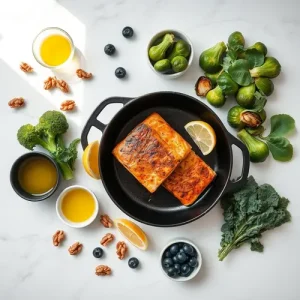
Fatty fish like salmon, mackerel, and sardines provide omega-3s EPA and DHA. These compounds generate specialized pro-resolving mediators that actively shut down inflammation.
Colorful vegetables and fruits supply polyphenols and antioxidants. Berries, leafy greens, and cruciferous vegetables offer the highest anti-inflammatory potential.
Strategic Spice Integration
Turmeric contains curcumin, which inhibits multiple inflammatory pathways simultaneously. Ginger provides gingerols with similar mechanisms. Black pepper enhances curcumin absorption by 2000%.
Garlic supplies organosulfur compounds that modulate immune function. Studies from the American Society for Nutrition demonstrate measurable reductions in inflammatory markers with regular consumption.
Expert Analysis: The Processed Food Paradox
Here’s a contrarian perspective many health professionals overlook: not all processing creates inflammitory foods. Freezing vegetables preserves nutrients without adding inflammatory compounds. Fermentation actually enhances anti-inflammatory properties.
The problem isn’t processing itself—it’s specific industrial methods that prioritize shelf life and profit over nutrition. Ultra-processing introduces refined ingredients, strips beneficial compounds, and adds inflammatory additives.
This distinction matters for practical implementation. You don’t need to eat only raw, unprocessed foods. Choose minimally processed options where technology preserves rather than degrades nutritional value.
Comparative Analysis: Inflammitory Foods vs. Anti-Inflammatory Alternatives
| Inflammatory Option | Anti-Inflammatory Alternative | Key Benefit |
|---|---|---|
| White bread | 100% whole grain sourdough | Lower glycemic response, prebiotic fiber |
| Soybean oil | Extra virgin olive oil | Oleocanthal (natural anti-inflammatory compound) |
| Processed lunch meat | Grilled wild salmon | Omega-3 fatty acids, no nitrates |
| Sugary cereal | Steel-cut oats with berries | Beta-glucan fiber, anthocyanins |
| Margarine | Grass-fed butter or avocado | Natural fats, vitamin K2, monounsaturated fats |
| Soda | Green tea | EGCG catechins, zero sugar |
Practical Implementation Strategies
The 80/20 Approach to Reducing Inflammitory Foods
Perfection isn’t required for significant health benefits. Research from Johns Hopkins University suggests that dietary changes following an 80/20 principle (anti-inflammatory 80% of the time) produce measurable improvements in biomarkers.
This approach maintains social flexibility while minimizing inflammatory exposure. Save indulgences for truly special occasions rather than daily habits.
Track your progress through symptoms rather than obsessing over every ingredient. Reduced joint pain, improved energy, better sleep, and clearer skin indicate you’re moving in the right direction.
Meal Preparation Tactics
Batch cooking anti-inflammatory meals prevents the convenience trap that leads to inflammitory foods. Prepare large batches of quinoa, roasted vegetables, and grilled proteins on weekends.
Stock your kitchen strategically. Keep frozen wild-caught fish, canned wild salmon, olive oil, nuts, and frozen berries readily available. Accessibility drives behavior.
Master five core anti-inflammatory recipes you genuinely enjoy. Rotation prevents monotony while establishing sustainable patterns.
Debunking Common Myths About Inflammitory Foods
Myth: All fats cause inflammation. Reality: Trans fats and excessive omega-6s are problematic, but omega-3s, monounsaturated fats, and even saturated fats from quality sources don’t trigger inflammatory pathways.
Myth: Gluten is inherently inflammatory for everyone. Reality: Only individuals with celiac disease, non-celiac gluten sensitivity, or wheat allergy need strict avoidance. For others, refined wheat products are inflammatory due to blood sugar effects, not gluten itself.
Myth: Eliminating all inflammitory foods requires expensive specialty products. Reality: Whole foods like beans, lentils, cabbage, and eggs offer powerful anti-inflammatory benefits at minimal cost.
Monitoring Your Inflammatory Status
Several blood tests assess inflammation levels objectively. High-sensitivity C-reactive protein (hs-CRP) provides the most accessible marker. Levels below 1.0 mg/L indicate low risk, while readings above 3.0 mg/L suggest significant inflammation.
Erythrocyte sedimentation rate (ESR) and plasma viscosity offer additional perspectives. These tests help quantify how dietary changes impact your inflammatory burden.
Work with a functional medicine practitioner or informed physician who understands the nuances. Many conventional doctors focus on acute markers rather than chronic low-grade inflammation.
Taking Control of Your Inflammatory Future
Reducing inflammitory foods represents one of the most powerful interventions for long-term health optimization. Unlike genetic factors you cannot control, dietary choices remain entirely within your power.
Start with the biggest offenders: eliminate trans fats, reduce added sugars, and swap refined grains for whole alternatives. These three changes alone eliminate the majority of inflammatory dietary triggers.
Remember that inflammation operates on a cumulative basis. Each anti-inflammatory choice compounds over time, shifting your physiological baseline toward resilience rather than disease. The foods you choose today literally build the tissues and regulate the immune responses of tomorrow.