Diets Usa – 7 Proven Ways to Grow Faster

diets usa

Understanding the diverse landscape of diets usa is crucial for anyone seeking to improve their health or manage weight effectively. While numerous dietary approaches gain fleeting popularity, foundational principles of nutrition consistently underpin true, sustainable well-being. This guide delves into the core mechanics of effective diets in the United States, offering an expert perspective on navigating choices for lasting health benefits.
Understanding the Landscape of Diets USA
The term “diets” in the USA often conjures images of restrictive eating plans aimed at rapid weight loss. However, a diet fundamentally refers to the sum of food consumed by an organism. In the context of American public health, dietary patterns are increasingly linked to prevalent chronic conditions such as cardiovascular disease, type 2 diabetes, and certain cancers. Many Americans grapple with nutritional challenges. Data from the Centers for Disease Control and Prevention (CDC) consistently highlight the impact of suboptimal dietary choices. These patterns often involve excessive intake of processed foods, refined sugars, and unhealthy fats, while falling short on essential nutrients from whole foods like fruits, vegetables, and whole grains.Core Dietary Principles for Effective Diets USA
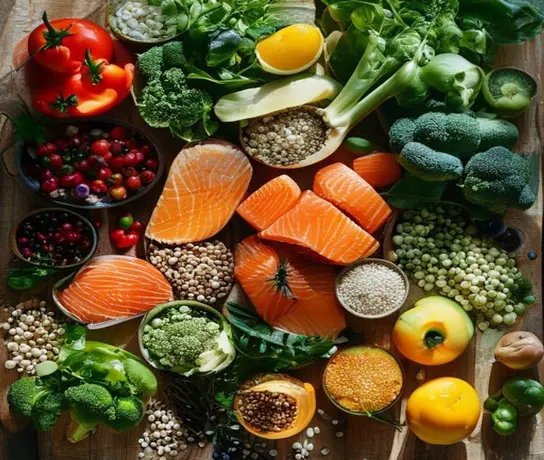
Regardless of specific dietary labels, truly effective diets USA share common, science-backed principles. These include a focus on nutrient density, appropriate caloric intake for individual needs, and a balance of macronutrients. Prioritizing whole, unprocessed foods is paramount. This means selecting foods as close to their natural state as possible, such as fresh produce, lean proteins, and complex carbohydrates. Moreover, portion control and mindful eating are critical components. Eating slowly, paying attention to hunger and fullness cues, and understanding the caloric content of various foods helps prevent overconsumption. Hydration, primarily from water, also plays a vital role in metabolic function and satiety.Popular Dietary Approaches: A Balanced Perspective
In the USA, several broad dietary approaches consistently demonstrate efficacy for various health goals. These are not fads, but rather frameworks with established nutritional science behind them. The Mediterranean diet, for example, emphasizes plant-based foods, healthy fats like olive oil, and lean proteins, consistently linked to heart health benefits according to the American Heart Association. Another prominent approach is the DASH (Dietary Approaches to Stop Hypertension) diet, developed to lower blood pressure. It focuses on reducing sodium and increasing potassium, calcium, and magnesium through a diet rich in fruits, vegetables, whole grains, and low-fat dairy. Plant-based eating, ranging from vegetarian to vegan, also gains traction for its potential benefits in chronic disease prevention and environmental sustainability. Conversely, some lower-carbohydrate approaches, when properly constructed with nutrient-dense foods, can be effective for managing blood sugar and weight. The key is ensuring sufficient intake of non-starchy vegetables and healthy fats to avoid nutrient deficiencies and promote satiety.| Approach | Primary Focus | Key Benefits Often Cited | Potential Considerations |
|---|---|---|---|
| Mediterranean | Whole foods, healthy fats, fish, produce | Heart health, longevity, anti-inflammatory | Requires careful selection of healthy fats, fresh ingredients |
| DASH | Low sodium, high potassium, calcium | Blood pressure management, cardiovascular health | Emphasis on specific food groups, consistent tracking |
| Plant-Based | Vegetables, fruits, legumes, grains, nuts, seeds | Reduced chronic disease risk, weight management | Potential for specific nutrient deficiencies (B12, iron, zinc) if not planned well |
| Lower-Carbohydrate | Reduced refined carbs, increased protein/fat | Blood sugar control, weight loss, satiety | May limit certain plant foods, requires adequate fiber intake |
Expert Insight: The Pitfall of “Diet Cycling” in Diets USA
A common experience among individuals navigating diets usa is “diet cycling,” where a person repeatedly tries and abandons various restrictive plans. This often leads to frustration, weight regain, and can negatively impact metabolic health and one’s relationship with food. From a clinical perspective, sustainability is the often-overlooked cornerstone of any successful dietary change. A diet that is too restrictive or deviates too far from one’s cultural or personal preferences is unlikely to be maintained long-term. Instead of seeking quick fixes, the focus should shift to building consistent, healthy eating habits that integrate into daily life. This involves gradual changes, listening to body cues, and prioritizing nutrient density over strict caloric deprivation. True success lies in cultivating a sustainable lifestyle, not just adherence to a temporary plan.Navigating Nutritional Advice and Diets USA for Long-Term Health
The vast amount of nutritional information available can be overwhelming. When evaluating any dietary claim, consider its basis in established science and its alignment with recommendations from authoritative bodies like the USDA’s Dietary Guidelines for Americans or the National Institutes of Health (NIH). These guidelines emphasize flexibility and individual needs, recognizing that a “one-size-fits-all” approach rarely works. Focusing on balanced macronutrients – complex carbohydrates for energy, lean proteins for muscle repair and satiety, and healthy fats for hormone production and nutrient absorption – provides a solid framework. Ensuring sufficient fiber intake through fruits, vegetables, and whole grains is also vital for digestive health and blood sugar regulation. To make informed choices about your approach to diets usa:- Prioritize whole, unprocessed foods over highly refined options.
- Focus on nutrient density, choosing foods rich in vitamins, minerals, and fiber.
- Understand appropriate portion sizes to manage caloric intake.
- Listen to your body’s hunger and fullness signals.
- Stay adequately hydrated with water throughout the day.
- Seek guidance from registered dietitians or healthcare professionals for personalized advice.
- Embrace gradual, sustainable changes rather than extreme restrictions.
Related reading: see this related guide and compare more options here.
Related: sustainable healthy eating lifestyle and healthy diet for lifelong vitality.
How to Choose the Right Option for Your Business
Start by listing the tasks that eat most of your week. Rank them by time cost, then match each one to a feature on your shortlist. Ask vendors for a live demo using your own data, not a canned sample. Check reviews from teams of your size, since enterprise feedback can mislead. Finally, test one option with a small pilot group before rolling it out to everyone.