Healthy Diet – 7 Proven Ways to Grow Faster

healthy diet

What Defines a Truly Healthy Diet?
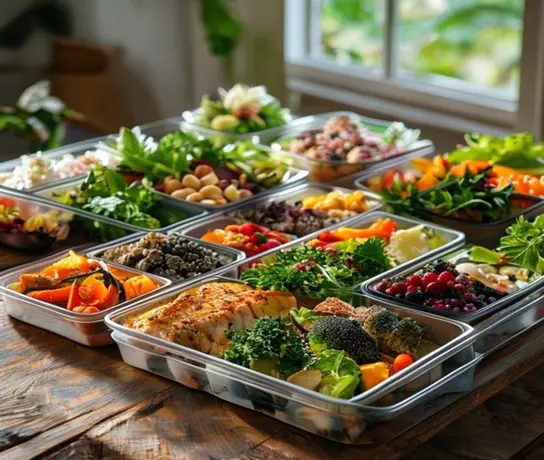
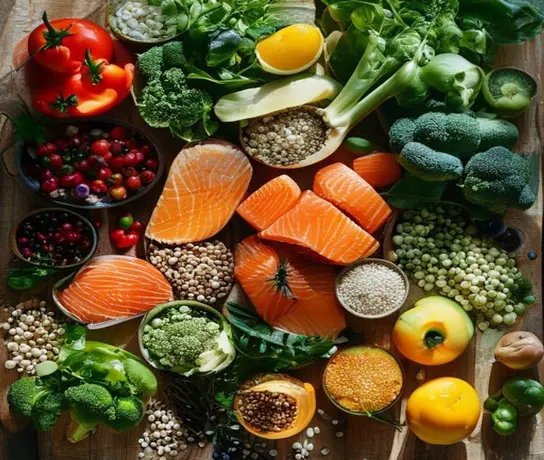
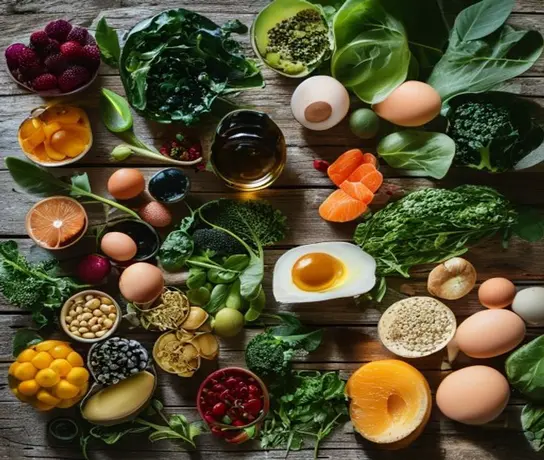
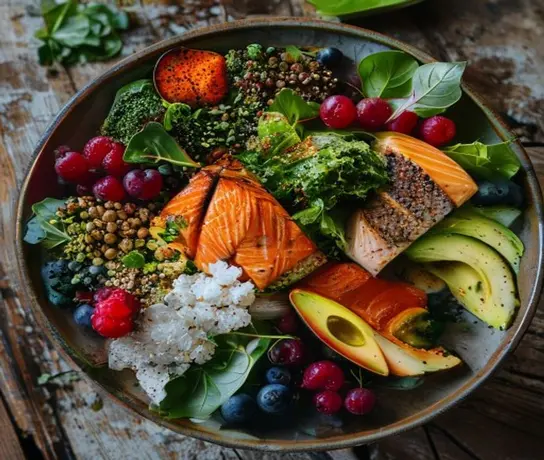
A genuinely beneficial eating plan prioritizes whole, unprocessed foods. These include a rich array of vegetables, fruits, lean proteins, healthy fats, and complex carbohydrates. The emphasis shifts from calorie counting to nutrient density, ensuring every bite contributes valuable components to your health. Balance across all food groups is key. A diverse intake ensures a broad spectrum of vitamins, minerals, and phytonutrients. This comprehensive approach supports everything from immune function to cognitive performance, fostering overall physiological resilience.Core Pillars of Nutritional Balance
Achieving a balanced nutrient profile is paramount. This involves thoughtfully combining specific food types to meet daily requirements without excess. Paying attention to these pillars builds a strong foundation for a healthy diet.- Macronutrients: Adequate protein intake supports muscle repair and satiety. Complex carbohydrates provide sustained energy, while healthy fats are essential for hormone production and nutrient absorption.
- Micronutrients: Vitamins and minerals, found abundantly in colorful produce, are crucial catalysts for countless bodily processes. A deficiency in even one can impact overall health.
- Fiber & Hydration: Fiber from whole grains, legumes, and produce supports gut health and digestive regularity. Consistent water intake is vital for metabolic processes and nutrient transport.
Beyond the Plate: Lifestyle Integration
Adopting a healthy diet extends beyond mere food choices; it encompasses mindful eating practices and lifestyle considerations. How we eat can be as impactful as what we eat. Cultivating a calm eating environment and paying attention to hunger and fullness cues supports better digestion and nutrient assimilation. Regular physical activity synergizes with proper nutrition to optimize body composition and metabolic health. Adequate sleep and effective stress management also play significant roles. These elements collectively create a holistic environment where the benefits of good nutrition are fully realized.| Food Category | Primary Benefit | Examples for a Healthy Diet |
|---|---|---|
| Vegetables | Micronutrients, Fiber, Antioxidants | Leafy greens, broccoli, bell peppers, carrots |
| Fruits | Vitamins, Fiber, Natural Sugars | Berries, apples, oranges, bananas |
| Lean Proteins | Amino Acids, Satiety, Muscle Repair | Chicken breast, fish, tofu, lentils, beans |
| Complex Carbohydrates | Sustained Energy, Fiber | Oats, quinoa, brown rice, whole-wheat bread |
| Healthy Fats | Essential Fatty Acids, Fat-Soluble Vitamins | Avocado, nuts, seeds, olive oil |
Debunking Common Diet Myths for Sustainable Health
Many individuals falter in their pursuit of a healthy diet due to pervasive, outdated myths. One common misconception is that a single “perfect diet” exists for everyone. The reality is far more nuanced, acknowledging significant bio-individuality in nutritional needs and metabolic responses. Strict caloric restriction or the elimination of entire food groups often proves unsustainable and can lead to nutrient deficiencies or rebound eating. True health optimization comes from understanding one’s own body and building flexible, adaptable eating patterns. For instance, while general guidelines from institutions like the American Heart Association offer valuable frameworks, individual responses to specific macronutrient ratios can vary based on genetics, activity levels, and gut microbiome composition. My clinical experience shows that the greatest success comes from focusing on metabolic flexibility. This means training the body to efficiently use different fuel sources, rather than relying solely on carbohydrates. Shifting away from rigid “diet” mentalities towards a sustainable, whole-food lifestyle consistently yields better long-term health outcomes and fosters a healthier relationship with food.Practical Strategies for Cultivating a Healthy Diet
Integrating wholesome eating into daily life requires practical steps and consistent effort. Small, incremental changes are often more effective than drastic overhauls. Start with achievable goals that can be built upon over time.- Meal Planning: Dedicate time weekly to plan meals and snacks. This reduces impulse eating and ensures balanced choices.
- Smart Grocery Shopping: Prioritize fresh produce, whole grains, and lean proteins. Read labels to minimize added sugars and unhealthy fats.
- Home Cooking: Preparing meals at home gives you full control over ingredients. Experiment with herbs and spices for flavor instead of excessive salt or sugar.
- Strategic Snacking: Opt for nutrient-dense snacks like fruit, nuts, or yogurt. Avoid processed convenience foods.
- Consistent Hydration: Keep water accessible throughout the day. Infuse with fruit or herbs for variety if preferred.
Related reading: see this related guide and compare more options here.
Related: diwali 2024 10 healthy snacks to prepare for hosting a diwali party and healthy recipes for weight loss.
How to Choose the Right Option for Your Business
Start by listing the tasks that eat most of your week. Rank them by time cost, then match each one to a feature on your shortlist. Ask vendors for a live demo using your own data, not a canned sample. Check reviews from teams of your size, since enterprise feedback can mislead. Finally, test one option with a small pilot group before rolling it out to everyone.
Common Mistakes to Avoid
The biggest mistake is buying for features you will never use. Keep the stack lean and master the basics first. Another trap is skipping training, which leaves half the value on the table. Schedule one short session per week until the team is fluent. Review usage numbers monthly and drop tools nobody opens.
Final Verdict: Is It Worth It?
For most small teams, the answer is yes, provided you start lean and measure results. Pick one bottleneck, fix it well, then expand. Revisit your choice every year as pricing and features change. The detailed comparisons above give you a solid starting point.