Healthy Eating Lifestyle – 7 Proven Ways to Grow Faster
healthy eating lifestyle

Adopting a healthy eating lifestyle means choosing a sustainable, nourishing approach to food that supports long-term well-being rather than short-term restrictive diets. It’s about building consistent habits that fuel your body optimally, enhance mental clarity, and promote disease prevention.
This comprehensive guide provides the foundational principles and practical strategies you need to cultivate an eating pattern that truly transforms your health, fostering vitality and resilience.
Foundations of a Sustainable Healthy Eating Lifestyle
A successful healthy eating lifestyle centers on core principles that prioritize nutrient density and whole foods. Moving beyond fleeting trends, this approach focuses on timeless dietary wisdom.Prioritizing Whole Foods and Nutrient Density
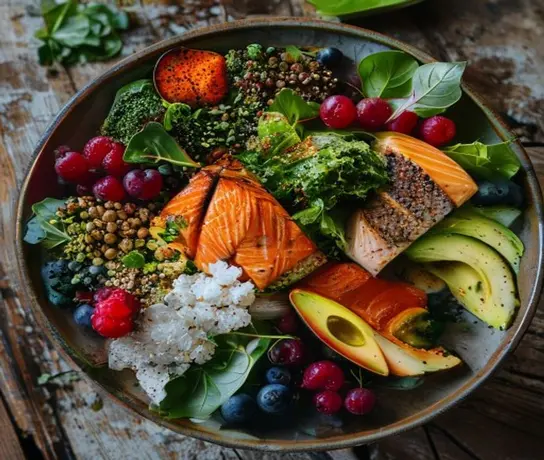
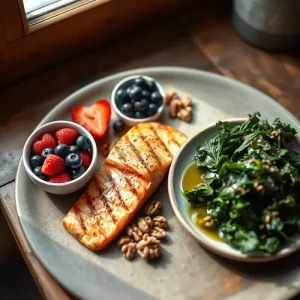
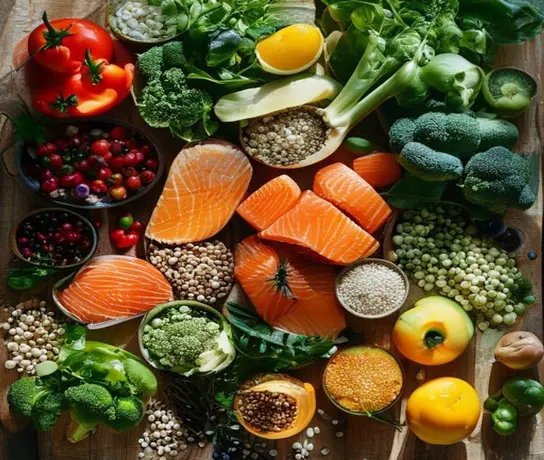
The bedrock of a robust eating pattern is whole, unprocessed foods. These include fruits, vegetables, lean proteins, whole grains, and healthy fats. They deliver a rich array of vitamins, minerals, fiber, and antioxidants that are often stripped from refined products. As the Dietary Guidelines for Americans consistently emphasize, a diet rich in these foods significantly lowers the risk of chronic diseases. Focusing on nutrient density means choosing foods that provide the most nutrients per calorie. Think vibrant leafy greens, berries, legumes, and wild-caught fish. These choices maximize your body’s access to essential building blocks without excess caloric intake.Achieving Macronutrient Balance
A well-structured plate includes a thoughtful balance of macronutrients: carbohydrates, proteins, and fats. Each plays a distinct role in energy, repair, and overall bodily function. High-quality carbohydrates from whole grains, fruits, and vegetables provide sustained energy. Lean proteins are essential for muscle repair and satiety. Healthy fats from avocados, nuts, seeds, and olive oil support hormone production and nutrient absorption. Balancing these elements at each meal helps stabilize blood sugar, manage appetite, and maintain consistent energy levels. This strategy prevents the energy crashes often associated with diets heavy in processed sugars and refined grains.Hydration: The Unsung Hero
Often overlooked, adequate hydration is fundamental to a healthy eating lifestyle. Water supports metabolism, nutrient transport, temperature regulation, and joint lubrication. While individual needs vary, aiming for around eight glasses of water daily is a common guideline, as supported by public health bodies like the Centers for Disease Control and Prevention. Beyond plain water, herbal teas, and water-rich fruits and vegetables contribute to your daily fluid intake. Limiting sugary beverages is a critical step in reducing empty calories and supporting metabolic health.Cultivating a Mindful Approach to Food
Beyond what you eat, how you eat significantly impacts your relationship with food and your body’s ability to process nutrients effectively.The Power of Mindful Eating
Mindful eating involves paying full attention to the experience of eating. This means noticing hunger and fullness cues, savoring flavors, and appreciating your food. It helps prevent overeating, improves digestion, and fosters a more positive connection with food. Taking time for meals, free from distractions, transforms eating into a nourishing ritual rather than a hurried task.Strategic Meal Planning and Preparation
Effective meal planning is a cornerstone of a sustainable healthy eating lifestyle. Preparing meals in advance helps you make nutritious choices, saves time, and reduces reliance on convenient, often less healthy, options. This can involve batch cooking proteins, chopping vegetables, or preparing healthy snacks for the week. Studies published in journals like the American Journal of Preventive Medicine often link meal planning to improved dietary quality and healthier body weight.Expert Opinion: The Gut Microbiome and Metabolic Health
Many focus on calories and macronutrients, yet a deeper dive reveals the profound impact of the gut microbiome on metabolic health and overall well-being. Far from being just about digestion, the trillions of microorganisms in our gut influence everything from nutrient absorption and immune function to mood and metabolism. A diverse and thriving gut flora, fueled by fermentable fibers from fruits, vegetables, and whole grains, produces beneficial compounds that reduce inflammation and enhance insulin sensitivity. Ignoring gut health is akin to overlooking a major control center for your body’s internal environment, a nuance often missed in superficial dietary advice.Integrating Core Habits for Lifelong Wellness
Building a truly lasting healthy eating lifestyle means adopting habits that seamlessly fit into your daily routine. Here’s a summary of key strategies:| Core Habit | Benefit | Practical Example |
|---|---|---|
| Prioritize Whole Foods | Increased nutrient intake, reduced disease risk | Fill half your plate with vegetables |
| Balance Macronutrients | Stable energy, satiety, muscle support | Combine lean protein, whole grain, and healthy fat at each meal |
| Stay Hydrated | Optimal body function, improved metabolism | Keep a water bottle accessible throughout the day |
| Practice Mindful Eating | Better digestion, reduced overeating, improved food relationship | Eat slowly, without screens, listening to hunger cues |
| Plan Meals | Consistent healthy choices, saves time and money | Dedicate an hour weekly to outline meals and grocery list |
Simple Steps to Begin Your Journey:
- Start Small: Introduce one new healthy habit weekly, such as adding a serving of vegetables to dinner.
- Focus on Addition: Instead of strict restriction, concentrate on incorporating more nutrient-rich foods.
- Educate Yourself: Understand where your food comes from and how it impacts your body.
- Listen to Your Body: Pay attention to how different foods make you feel, adjusting as needed.
- Seek Support: Engage with a community or professional for guidance and motivation.
Related reading: see this related guide and compare more options here.
Related: healthy diet for lifelong vitality and diwali 2024 10 healthy snacks to prepare for hosting a diwali party.
How to Choose the Right Option for Your Business
Start by listing the tasks that eat most of your week. Rank them by time cost, then match each one to a feature on your shortlist. Ask vendors for a live demo using your own data, not a canned sample. Check reviews from teams of your size, since enterprise feedback can mislead. Finally, test one option with a small pilot group before rolling it out to everyone.