Ultimate Guide to Nutrition Foods: Fuel Your Best Health
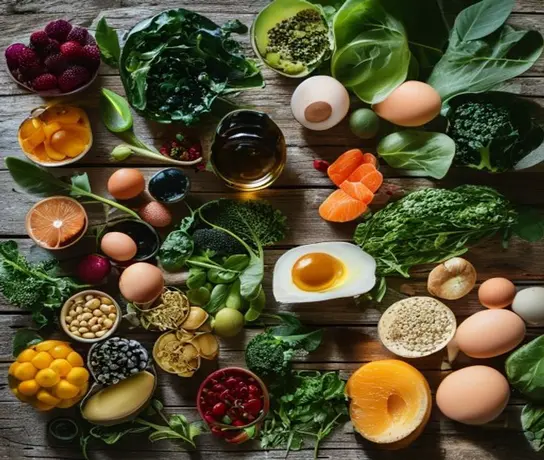
nutrition foods
Understanding and integrating nutrition foods into your daily diet is foundational for sustaining health, preventing chronic disease, and enhancing overall vitality. These are not merely items that satisfy hunger; they are the essential building blocks providing the macronutrients, micronutrients, and bioactive compounds necessary for every bodily function. Choosing nutrient-dense options over calorie-dense, nutrient-poor alternatives is a primary driver of long-term well-being.
The Foundational Pillars of Nutrition Foods
Every cell in the body relies on specific components delivered through food. Broadly, these are categorized into macronutrients and micronutrients, each playing distinct, vital roles.
Macronutrients: Energy and Structure from Nutrition Foods
- Proteins: Essential for building and repairing tissues, enzyme production, and hormone synthesis. Sources include lean meats, poultry, fish, eggs, dairy, legumes, and nuts.
- Carbohydrates: The body’s primary energy source. Opt for complex carbohydrates from whole grains, fruits, and vegetables for sustained energy and fiber.
- Fats: Critical for hormone production, nutrient absorption (especially fat-soluble vitamins), and cell membrane integrity. Prioritize healthy fats from avocados, nuts, seeds, and olive oil.
According to the World Health Organization (WHO), a balanced intake of these macronutrients, alongside a rich spectrum of micronutrients, forms the bedrock of a healthy diet. This balanced approach ensures efficient bodily processes and optimal energy levels.
Micronutrients: The Essential Catalysts in Nutrition Foods
Vitamins and minerals, though needed in smaller amounts, are indispensable. They act as catalysts for countless biochemical reactions, support immune function, bone health, and nerve transmission.
- Vitamins: Organic compounds vital for metabolism, growth, and immune function. Examples include Vitamin C for immunity, Vitamin D for bone health, and B vitamins for energy production.
- Minerals: Inorganic elements crucial for bone density, fluid balance, and oxygen transport. Calcium, iron, potassium, and zinc are key players.
Top Categories of Potent Nutrition Foods
Building a diet around diverse, whole, unprocessed ingredients ensures a comprehensive nutrient intake. Focus on variety within each category to maximize benefits.
Vibrant Fruits & Vegetables: Micronutrient Powerhouses
These are cornerstones of any healthy eating plan, brimming with vitamins, minerals, fiber, and antioxidants. Antioxidants combat oxidative stress, which is linked to various chronic diseases.
Leafy greens like spinach and kale, brightly colored berries, and cruciferous vegetables such as broccoli and cauliflower offer potent protective compounds. Dietary guidelines from the United States Department of Agriculture (USDA) consistently emphasize increasing daily fruit and vegetable intake.
Whole Grains & Legumes: Sustained Energy & Fiber
Unlike refined grains, whole grains retain their bran, germ, and endosperm, providing fiber, B vitamins, and minerals. Fiber aids digestion, promotes satiety, and helps regulate blood sugar levels. Examples include oats, quinoa, brown rice, and whole-wheat bread.
Legumes, including lentils, chickpeas, and black beans, are exceptional sources of plant-based protein, fiber, and an array of micronutrients. They contribute significantly to gut health.
Lean Proteins: Building Blocks of Life
Adequate protein intake is vital for muscle maintenance, repair, and overall metabolic health. Choose lean protein sources that also offer additional micronutrients.
Fish, particularly fatty fish rich in omega-3s, poultry, eggs, and lean cuts of red meat provide complete amino acid profiles. Plant-based options like tofu, tempeh, edamame, and lentils offer robust protein content for those following vegetarian or vegan diets.
Healthy Fats: Essential for Brain & Hormone Function
Not all fats are created equal. Incorporating healthy fats is crucial for cognitive function, hormone balance, and reducing inflammation. These fats include monounsaturated and polyunsaturated varieties.
Avocados, nuts (almonds, walnuts), seeds (chia, flax, pumpkin), and olive oil are excellent choices. As reported by the American Heart Association, replacing saturated and trans fats with healthy fats can significantly improve cardiovascular markers.
Expert Outlook: The Synergy of Nutrition Foods
A common misconception is that focusing on a single “superfood” will unlock health. In reality, the true power of nutrition foods lies in their synergistic interactions within a balanced dietary pattern. No single food can provide all the nutrients the body needs.
Instead, prioritize a diverse array of whole foods across all food groups. For instance, the carotenoids in carrots are better absorbed when consumed with a healthy fat source, like olive oil in a salad. This concept of nutrient synergy underscores why a varied diet, rich in different colors and textures, is more effective than relying on isolated supplements or singular “miracle foods.” Your gut microbiome also thrives on this diversity, directly impacting immune function and mood.
Here’s a snapshot of key nutrients and their prevalent food sources:
| Key Nutrient | Primary Benefit | Top Nutrition Foods Sources |
|---|---|---|
| Omega-3 Fatty Acids | Anti-inflammatory, Brain Health | Salmon, Flax Seeds, Walnuts |
| Fiber | Digestive Health, Satiety | Oats, Lentils, Berries, Broccoli |
| Vitamin C | Immune Support, Collagen Synthesis | Citrus Fruits, Bell Peppers, Kiwi |
| Iron | Oxygen Transport, Energy | Spinach, Red Meat, Legumes |
| Calcium | Bone Health, Muscle Function | Dairy, Leafy Greens, Fortified Plant Milks |
Integrating Nutrition Foods into Your Lifestyle
Making sustainable changes requires practical strategies. Small, consistent efforts yield significant health dividends.
- Prioritize Whole Foods: Build meals around unprocessed ingredients.
- Eat a Rainbow: Aim for a wide spectrum of colors in your fruits and vegetables to ensure diverse nutrient intake.
- Hydrate Adequately: Water is essential for nutrient transport and overall bodily function.
- Plan Ahead: Meal prepping or having healthy snacks on hand can prevent less healthy choices.
- Read Labels: Be mindful of added sugars, unhealthy fats, and excessive sodium in packaged goods.
Embracing nutrition foods is a continuous journey towards enhanced well-being. By focusing on whole, diverse, and unprocessed ingredients, you provide your body with the tools it needs to thrive. The consistent choice of nutrient-dense options impacts not only physical health but also cognitive function and emotional balance, securing a foundation for a vibrant life.