Getting Health insurance needs right starts with knowing what to compare and what to ignore.
Health
Without a doctor’s prescription, women may pay as much as $50 for “morning after” pills.
A one-month dosage of hormonal birth control pills is displayed in Sacramento, Calif., Aug. 26, 2016. Rich Pedroncelli / AP, File
By AMANDA SEITZ, Associated Press
Related: essential us dietary health and basic nutrition for lasting health.
WASHINGTON (AP) — People with private health insurance would be able to pick up over-the-counter methods like condoms, the “morning after” pill and birth control pills for free under a new rule the White House proposed on Monday.
Right now, health insurers must cover the cost of prescribed contraception, including prescription birth control or even condoms that doctors have issued a prescription for. But the new rule would expand that coverage, allowing millions of people on private health insurance to pick up free condoms, birth control pills, or “morning after” pills from local storefronts without a prescription.
The proposal comes days before Election Day, as Vice President Kamala Harris affixes her presidential campaign to a promise of expanding women’s health care access in the wake of the U.S. Supreme Court’s decision to undo nationwide abortion rights two years ago. Harris has sought to craft a distinct contrast from her Republican challenger, Donald Trump, who appointed some of the judges who issued that ruling.
“Today’s announcement builds on the Biden-Harris Administration’s strong record of defending access to reproductive health care and commitment to ensuring that women have the freedom to make deeply personal health care decisions, including if and when to start or grow their family,” Jennifer Klein, the director of the White House Gender Policy Council, said in a statement.
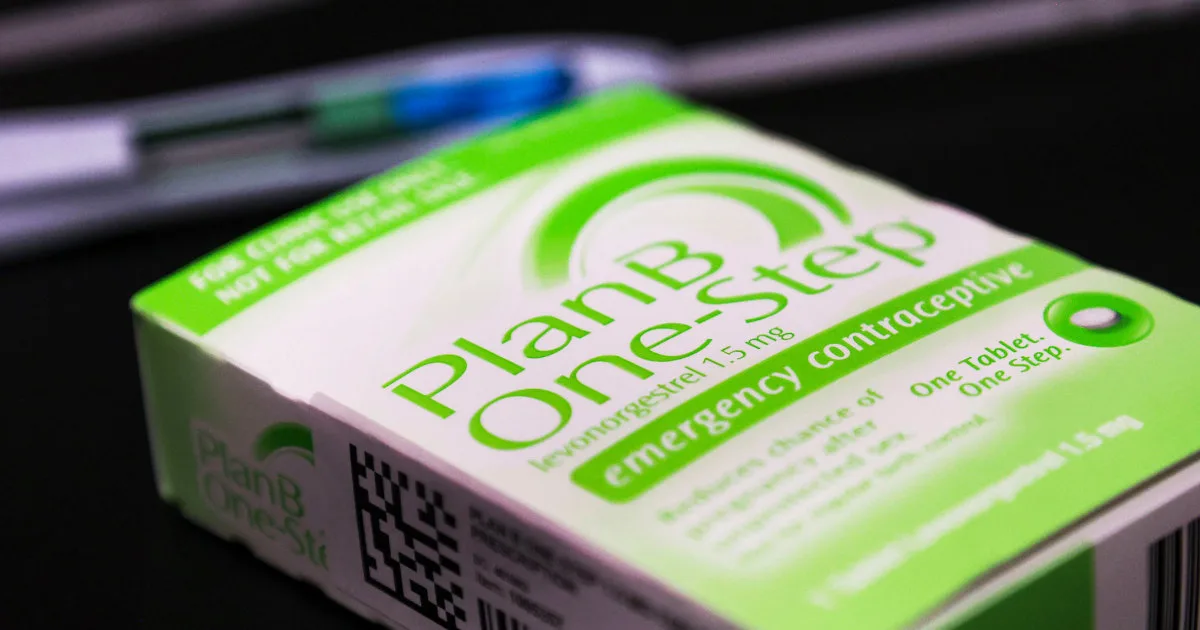
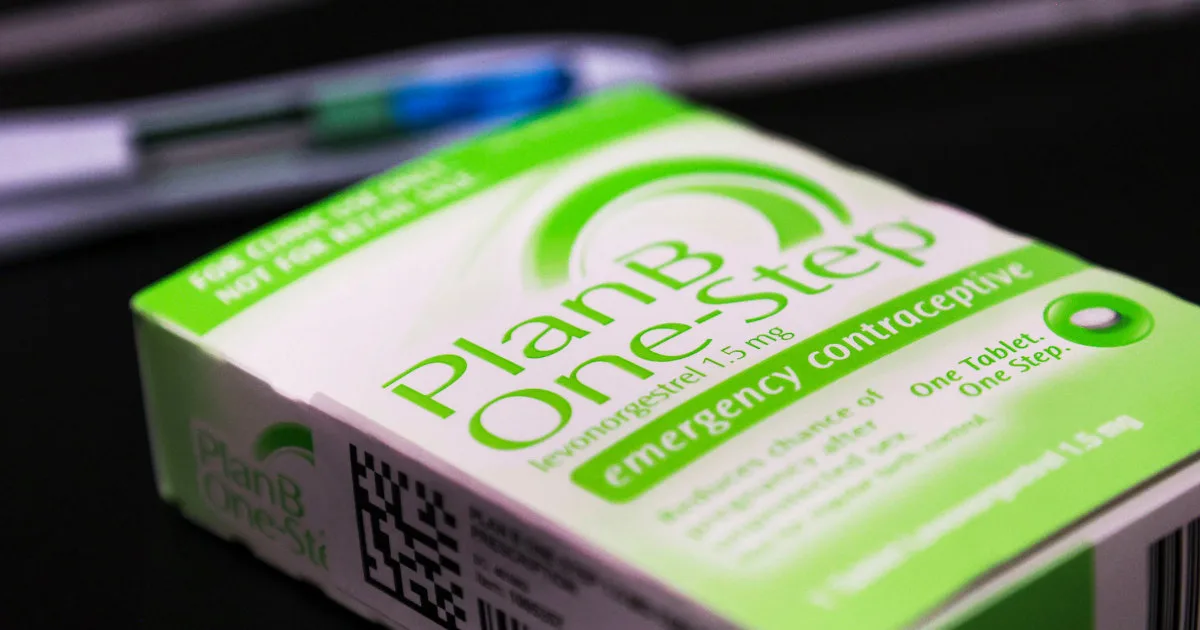
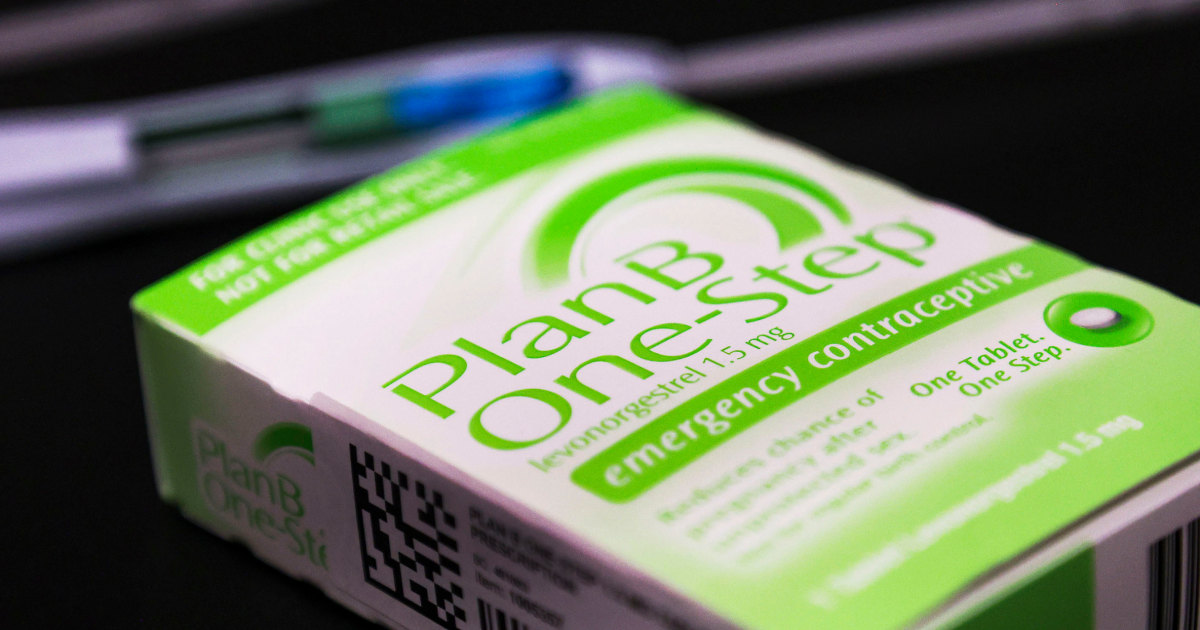
The emergency contraceptives that people on private insurance would be able to access without costs include levonorgestrel, a pill that needs to be taken immediately after sex to prevent pregnancy and is more commonly known by the brand name “Plan B.”
Without a doctor’s prescription, women may pay as much as $50 for a pack of the pills. And women who delay buying the medication in order to get a doctor’s prescription could jeopardize the pill’s effectiveness, since it is most likely to prevent a pregnancy within 72 hours after sex.
If implemented, the new rule would also require insurers to fully bear the cost of the once-a-day Opill, a new over-the-counter birth control pill that the U.S. Food and Drug Administration approved last year. A one-month supply of the pills costs $20.
Federal mandates for private health insurance to cover contraceptive care were first introduced with the Affordable Care Act, which required plans to pick up the cost of FDA-approved birth control that had been prescribed by a doctor as a preventative service.
The proposed rule would not impact those on Medicaid, the insurance program for the poorest Americans. States are largely left to design their own rules around Medicaid coverage for contraception, and few cover over-the-counter methods like Plan B or condoms.
Health insurance needs
Here is the short version of Health insurance needs, including what to check first and what to ignore.
What should beginners know about Health insurance needs?
Start with the basics covered above, apply one change at a time, and note what happens. That way you can tell which step actually made the difference instead of guessing.
How long does Health insurance needs take to show results?
It depends on your starting point. Most readers see a clear difference after four to six weeks of consistent work, and sooner when they track results weekly.
In practice, Health insurance needs works best when the basics are handled before anything else. A quick note on Health insurance needs: the follow-up matters as much as the first decision. If Health insurance needs feels overwhelming, start with the smallest step that produces a visible result.
The most common mistake with Health insurance needs is treating the first option you find as the only option. Comparison is not busywork: differences in scope, support, and timing often matter more than the headline number.
The second mistake is ignoring the follow-up. Whatever you choose, plan how you will check that it worked. A quick review after two weeks catches problems while they are still cheap to fix, and it turns Health insurance needs from a one-time decision into something you can improve.
What to check before you start
Before committing time or money to Health insurance needs, it helps to know what a good outcome looks like. Write down the result you actually need, the budget you can live with, and the deadline you are working against. Those three answers rule out most of the options that look attractive but do not fit your situation.
Next, look at the details that are easy to miss: what is included, what costs extra, and what happens when something goes wrong. Ask directly about timelines and follow-up. A clear answer is usually a better sign than a low price, because Health insurance needs is rarely a one-off purchase of attention.
A simple step-by-step approach
Start with the basics of Health insurance needs and keep the first step small enough to finish in one sitting. Gather the information you need, compare two or three realistic options, and note the trade-offs in plain language rather than marketing terms.
Then test the decision on a small scale before you scale it up. This is the part most people skip, and it is the reason Health insurance needs sometimes feels harder than it should. A short trial tells you more than another hour of reading, and it usually surfaces the one constraint that matters in your case.