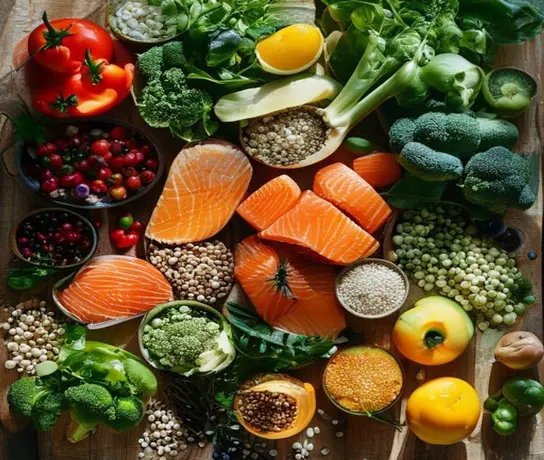
Nutrition Balance – 7 Proven Ways to Grow Faster

nutrition balance

What is Nutrition Balance? The Core Principles
this approach refers to consuming the right amounts of macronutrients, micronutrients, and water to meet your body’s physiological needs. This ensures proper growth, metabolism, repair, and overall well-being. It’s about more than just calories; it’s about nutrient density and the quality of your intake. Macronutrients—carbohydrates, proteins, and fats—provide the energy our bodies require to function. Micronutrients, including vitamins and minerals, are vital for thousands of metabolic processes, even though they are needed in smaller quantities. A truly balanced diet prioritizes variety across all food groups to ensure a comprehensive nutrient profile.The Pillars of Balanced Eating
A balanced diet is built upon several foundational pillars. These include a rich intake of whole foods, adequate hydration, and a mindful approach to eating. Prioritizing fruits, vegetables, whole grains, lean proteins, and healthy fats forms the bedrock of good nutrition. Dietary fiber, often overlooked, plays a significant role in digestive health and satiety. It helps regulate blood sugar and supports a healthy gut microbiome. Hydration through water consumption is equally critical, facilitating nutrient transport and waste removal.| Nutrient Category | Primary Role | Key Food Sources |
|---|---|---|
| Carbohydrates | Primary energy source | Whole grains, fruits, vegetables, legumes |
| Proteins | Tissue repair, enzyme production, muscle growth | Meat, poultry, fish, eggs, dairy, legumes, nuts |
| Fats | Energy storage, hormone production, nutrient absorption | Avocados, nuts, seeds, olive oil, fatty fish |
| Vitamins & Minerals | Regulate bodily functions, immune support | Wide variety of fruits, vegetables, fortified foods |
Why Achieving Optimal Nutrition Balance Matters for Lifelong Health
The impact of consistent nutrition balance extends far beyond merely satisfying hunger. It critically underpins metabolic health, immune resilience, cognitive function, and emotional stability. A well-nourished body is better equipped to adapt to stressors and maintain homeostasis. According to the World Health Organization (WHO), unbalanced nutrition is a leading risk factor for non-communicable diseases. Conditions like heart disease, type 2 diabetes, and certain cancers are often linked to prolonged dietary patterns lacking essential nutrients. Prioritizing balance is a proactive step in preventing these health challenges.Debunking the “Perfect Ratio” Myth: An Expert’s View
One persistent myth is the idea of a universal “perfect” macronutrient ratio for everyone. This overlooks the incredible diversity of human physiology and lifestyle. As a practitioner, I’ve seen clients thrive on varied distributions—some doing well with higher healthy fats, others with more complex carbohydrates. For example, an endurance athlete’s carbohydrate needs vastly differ from someone with a sedentary lifestyle or specific health conditions like insulin resistance. Genetic predispositions, cultural eating patterns, and even gut microbiome composition influence how individuals process nutrients. The pursuit of an absolute “perfect ratio” can lead to unnecessary restriction and stress, detracting from the true goal of adaptable, sustainable eating. Instead, focus on listening to your body’s signals and aligning intake with activity levels and personal health goals.Practical Strategies for Cultivating This approach
Cultivating nutrition balance doesn’t require a complete overhaul overnight. Small, consistent changes yield significant long-term benefits. Focus on integrating nutrient-rich foods and establishing sustainable eating habits.- Prioritize Whole Foods: Emphasize fruits, vegetables, whole grains, lean proteins, and healthy fats. Limit ultra-processed items.
- Vary Your Plate: Eat a diverse range of colors and types of produce to ensure a broad spectrum of vitamins and minerals.
- Mindful Eating: Pay attention to hunger and fullness cues. Eat slowly, savoring your meals, which can improve digestion and satisfaction.
- Plan Ahead: Meal prepping or having healthy snack options readily available prevents impulsive, less nutritious choices.
- Stay Hydrated: Drink plenty of water throughout the day. Often, thirst is mistaken for hunger.
The Role of Dietary Patterns in Sustained Nutrition Balance
Rather than singular “diets,” sustainable dietary patterns offer a comprehensive approach to nutrition balance. Patterns like the Mediterranean Diet, rich in healthy fats, vegetables, and whole grains, have been consistently associated with better health outcomes, as documented by institutions like Harvard T.H. Chan School of Public Health. These patterns emphasize food groups and balanced relationships with eating, rather than strict rules. They teach principles like eating primarily plants, consuming healthy fats, and moderating processed foods. This framework fosters long-term adherence and genuine enjoyment of food. It moves beyond short-term fixes to lifelong well-being, naturally guiding individuals towards comprehensive nutrient intake. Achieving and maintaining nutrition balance is a dynamic process, not a fixed destination. It involves understanding your body’s unique needs, making informed food choices, and cultivating sustainable eating habits. By focusing on whole, nutrient-dense foods and listening to your body, you empower yourself to build a robust foundation for enduring health and vitality.Related reading: see this related guide and compare more options here.
Related: essential nutrition for adults and how dha nutrition boosts energy.
How to Choose the Right Option for Your Business
Start by listing the tasks that eat most of your week. Rank them by time cost, then match each one to a feature on your shortlist. Ask vendors for a live demo using your own data, not a canned sample. Check reviews from teams of your size, since enterprise feedback can mislead. Finally, test one option with a small pilot group before rolling it out to everyone.
Common Mistakes to Avoid
The biggest mistake is buying for features you will never use. Keep the stack lean and master the basics first. Another trap is skipping training, which leaves half the value on the table. Schedule one short session per week until the team is fluent. Review usage numbers monthly and drop tools nobody opens.
Final Verdict: Is It Worth It?
For most small teams, the answer is yes, provided you start lean and measure results. Pick one bottleneck, fix it well, then expand. Revisit your choice every year as pricing and features change. The detailed comparisons above give you a solid starting point.