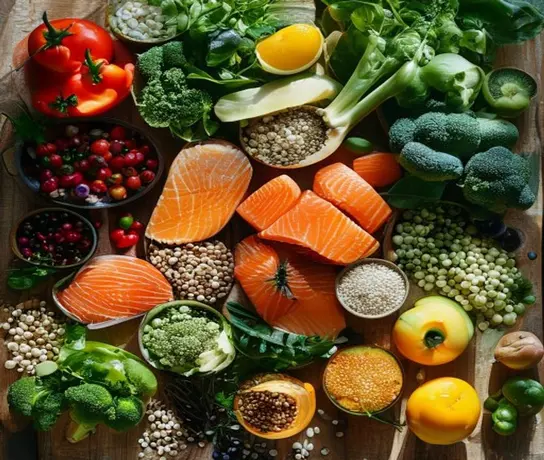
Basic Nutrition Basics That Keep You Healthy

basic nutrition

Deconstructing Macronutrients: The Energy Providers of Basic Nutrition
Macronutrients are the nutrients your body needs in larger quantities to provide energy and facilitate vital functions. They include carbohydrates, proteins, and fats. Each plays a distinct yet interconnected role in health.Carbohydrates: Fuel for Life
Carbohydrates are the body’s primary energy source. They are broken down into glucose, fueling cells, tissues, and organs. Complex carbohydrates, found in whole grains, vegetables, and legumes, offer sustained energy and essential fiber. Simple carbohydrates, from sugars and refined grains, provide quick energy bursts but often lack nutrient density. Prioritize complex sources for steady energy and better glycemic control.Proteins: The Building Blocks
Proteins are fundamental for building and repairing tissues, producing enzymes and hormones, and supporting immune function. They consist of amino acids, some of which are essential and must come from the diet. Excellent sources include lean meats, fish, eggs, dairy, legumes, nuts, and seeds. The Academy of Nutrition and Dietetics often highlights the importance of varied protein sources for a complete amino acid profile.Fats: Essential for Health
Dietary fats are crucial for hormone production, nutrient absorption (especially fat-soluble vitamins A, D, E, K), and insulating organs. Healthy fats, like monounsaturated and polyunsaturated fats (found in avocados, nuts, seeds, olive oil, and fatty fish), support heart health. Limit saturated and trans fats, which can negatively impact cardiovascular well-being. Fats also contribute to satiety.| Macronutrient | Primary Role | Optimal Food Sources | Energy (kcal/g) |
|---|---|---|---|
| Carbohydrates | Main Energy Source | Whole Grains, Fruits, Vegetables, Legumes | 4 |
| Proteins | Building & Repairing Tissues | Lean Meats, Fish, Eggs, Dairy, Legumes, Nuts | 4 |
| Fats | Hormone Production, Vitamin Absorption | Avocado, Nuts, Seeds, Olive Oil, Fatty Fish | 9 |
Micronutrients: The Essential Orchestrators
Micronutrients, including vitamins and minerals, are needed in smaller amounts but are no less vital. They facilitate countless enzymatic reactions, maintain bone health, support immune function, and ensure proper nerve transmission. A deficiency in any key micronutrient can disrupt metabolic processes.Vitamins and Minerals: Powering the Body
Vitamins are organic compounds, categorized as fat-soluble (A, D, E, K) or water-soluble (C and B-complex). Minerals are inorganic elements, like calcium, iron, zinc, and magnesium. Each vitamin and mineral has specific functions. For example, Vitamin D, often cited by the National Institutes of Health, is critical for calcium absorption and bone health. A broad intake of fruits, vegetables, and fortified foods generally covers these needs.Hydration: The Unsung Hero of Basic Nutrition
Water is often overlooked yet paramount to survival and health. It regulates body temperature, lubricates joints, transports nutrients, and removes waste products. Even mild dehydration can impair cognitive function and physical performance. Adults should aim for consistent fluid intake throughout the day, often guided by thirst and activity levels. Official guidelines, such as those from the Centers for Disease Control and Prevention (CDC), emphasize water as the best choice for hydration.Fiber: Essential for Digestive Health and Beyond
Dietary fiber, a type of carbohydrate that the body cannot digest, is crucial for gut health. It adds bulk to stool, preventing constipation, and can help regulate blood sugar and cholesterol levels. Found in fruits, vegetables, whole grains, and legumes, fiber also promotes satiety. Soluble fiber feeds beneficial gut bacteria, contributing to overall metabolic well-being.Expert Insight: Beyond the Calorie Count – The Nutrient Density Imperative
A common pitfall in interpreting basic nutrition is a sole focus on calorie counting. While caloric intake matters for weight management, not all calories are created equal. Two foods can have the same caloric value, but vastly different nutrient profiles. For instance, 100 calories of an ultra-processed snack provides minimal vitamins, minerals, or fiber. In contrast, 100 calories of berries offers a wealth of antioxidants, vitamins, and fiber.My experience shows that prioritizing nutrient density—choosing foods rich in vitamins, minerals, and other beneficial compounds relative to their calorie content—yields superior health outcomes. It supports metabolic health, boosts energy, and reduces chronic disease risk more effectively than simply adhering to a calorie limit with nutrient-poor choices. It’s about optimizing cellular function, not just managing a number.Practical Application: Building a Balanced Plate
Implementing principles of basic nutrition involves making deliberate food choices. Focus on:- Whole, Unprocessed Foods: Prioritize foods in their natural state.
- Variety: Eat a wide range of colorful fruits, vegetables, and different protein sources.
- Mindful Eating: Pay attention to hunger and fullness cues.
- Portion Awareness: Understand appropriate serving sizes without obsessive tracking.
- Consistent Hydration: Drink water throughout the day.
Related reading: see this related guide and compare more options here.
Related: dietary guidelines health map and macronutrient essential health insights.
How to Choose the Right Option for Your Business
Start by listing the tasks that eat most of your week. Rank them by time cost, then match each one to a feature on your shortlist. Ask vendors for a live demo using your own data, not a canned sample. Check reviews from teams of your size, since enterprise feedback can mislead. Finally, test one option with a small pilot group before rolling it out to everyone.
Common Mistakes to Avoid
The biggest mistake is buying for features you will never use. Keep the stack lean and master the basics first. Another trap is skipping training, which leaves half the value on the table. Schedule one short session per week until the team is fluent. Review usage numbers monthly and drop tools nobody opens.
What are the basics?
Eat mostly whole foods across five groups daily, drink water, and limit ultra-processed snacks. Balance portions with activity levels. Sleep and movement amplify every dietary win. Keep basic nutrition changes small and steady.
How does basic nutrition prevent disease?
Steady basic nutrition lowers risks for heart disease, diabetes, and hypertension over time. Fiber, potassium, and healthy fats do heavy lifting. Regular checkups catch gaps early. Prevention beats treatment costs always.
Where do beginners start?
Audit one week of meals honestly, then fix breakfast first. Stock frozen produce and canned beans for backups. Cook twice weekly at minimum. Repeat winning basic nutrition weeks consistently.
If basic nutrition feels overwhelming, start with the smallest step that produces a visible result. Anyone weighing basic nutrition should compare at least two realistic options before deciding. In practice, basic nutrition works best when the basics are handled before anything else.