A rheumatoid diet focuses on anti-inflammatory foods that help manage rheumatoid arthritis symptoms and reduce joint damage. This nutritional approach emphasizes whole foods rich in omega-3 fatty acids, antioxidants, and fiber while eliminating triggers that worsen inflammation. The right dietary choices can significantly decrease morning stiffness, improve mobility, and enhance overall quality of life for those living with this autoimmune condition.
Understanding the Rheumatoid Diet Foundation
Rheumatoid arthritis triggers chronic inflammation that attacks joint linings. Diet directly influences inflammatory markers in the body. While no single eating pattern can cure this condition, specific foods either fan the flames or calm the immune response.
The Mediterranean diet serves as the gold standard framework for a rheumatoid diet. Research published in the Arthritis Foundation’s clinical guidelines shows that this pattern reduces disease activity scores by up to 30%. The emphasis on plant foods, healthy fats, and lean proteins creates an anti-inflammatory environment.
Your gut microbiome plays a starring role here. Beneficial bacteria thrive on fiber-rich foods and produce short-chain fatty acids that regulate immune function. A disrupted gut increases intestinal permeability, allowing inflammatory compounds to enter circulation and worsen joint symptoms.
Core Anti-Inflammatory Foods for Your Rheumatoid Diet
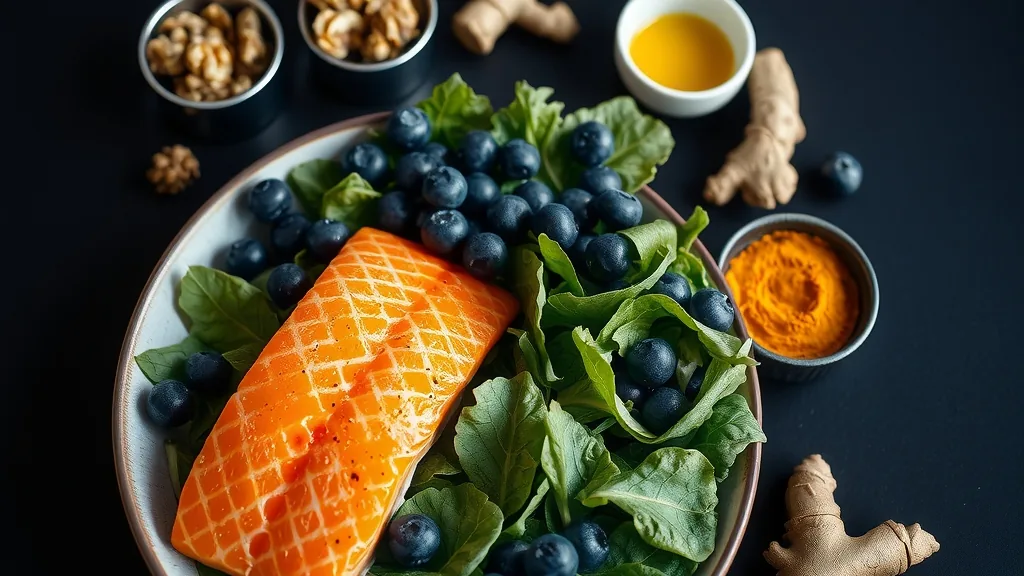
Fatty fish tops the list of therapeutic foods. Salmon, mackerel, sardines, and herring contain EPA and DHA omega-3s that directly suppress inflammatory cytokines. The American College of Rheumatology recommends two to three servings weekly.
Colorful vegetables provide polyphenols and antioxidants that neutralize free radicals. Leafy greens, cruciferous vegetables, and purple produce contain compounds that inhibit inflammatory pathways at the cellular level.
Building Your Rheumatoid Diet Plate
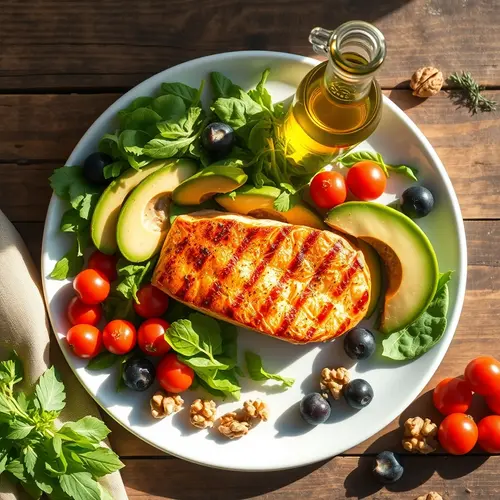
Extra virgin olive oil (3-4 tablespoons daily) for oleocanthal, a natural COX-2 inhibitor
Berries and cherries packed with anthocyanins that reduce C-reactive protein levels
Nuts and seeds (especially walnuts and flaxseeds) for plant-based omega-3s
Turmeric with black pepper for enhanced curcumin absorption
Green tea containing EGCG that blocks inflammatory molecule production
Ginger for its gingerol compounds that reduce prostaglandin synthesis
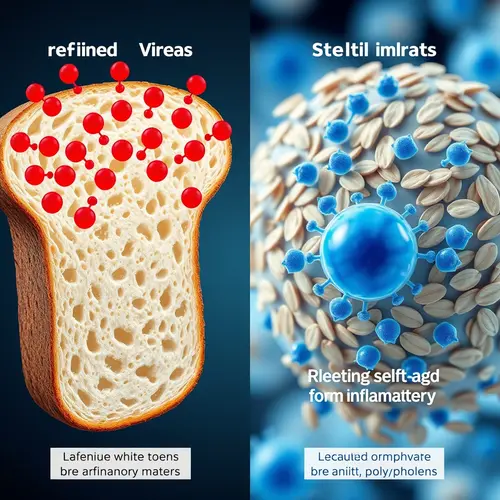
Whole grains provide sustained energy without blood sugar spikes. Steel-cut oats, quinoa, and brown rice offer fiber that feeds beneficial gut bacteria. Skip refined grains that trigger insulin surges and inflammatory responses.
Foods to Eliminate from a Rheumatoid Diet
Certain foods act as inflammatory accelerators. Removal often produces noticeable symptom improvement within two to four weeks.
Processed meats contain advanced glycation end products (AGEs) that promote oxidative stress. Hot dogs, bacon, and deli meats also pack high sodium levels that worsen joint swelling. Red meat contains arachidonic acid, which converts to inflammatory prostaglandins.
Refined sugars and high-fructose corn syrup spike insulin and trigger cytokine release. Sodas, candy, and baked goods provide empty calories that contribute to weight gain. Excess body weight places mechanical stress on joints while fat tissue secretes inflammatory compounds.
Hidden Inflammatory Triggers in Your Rheumatoid Diet
Nightshade vegetables create controversy. Tomatoes, peppers, eggplant, and white potatoes contain solanine alkaloids. Some people report flare-ups after consumption, though scientific evidence remains mixed. An elimination trial lasting four to six weeks helps identify personal sensitivities.
Gluten sensitivity affects a subset of rheumatoid arthritis patients. The National Institutes of Health acknowledges that celiac disease and autoimmune conditions often coexist. Testing for antibodies before eliminating gluten provides diagnostic clarity.
Omega-6 fatty acids in excess promote inflammation. Corn oil, soybean oil, and safflower oil contain high omega-6 ratios. The ideal omega-6 to omega-3 ratio sits around 4:1, but typical Western diets reach 20:1 or higher.
Meal timing influences inflammatory markers. Extended overnight fasting (12-14 hours) allows cellular repair processes and reduces oxidative stress. Eating within a consistent window supports circadian rhythm regulation.
Hydration deserves attention. Water supports joint lubrication and nutrient transport. Aim for half your body weight in ounces daily. Herbal teas like rooibos and chamomile provide additional anti-inflammatory compounds.
Food Category
Anti-Inflammatory Choices
Inflammatory Foods to Avoid
Proteins
Wild salmon, sardines, organic poultry, legumes
Processed meats, conventional red meat, fried foods
Fats
Extra virgin olive oil, avocados, nuts, seeds
Trans fats, corn oil, margarine, vegetable shortening
Carbohydrates
Quinoa, sweet potatoes, berries, leafy greens
White bread, pastries, sugary cereals, candy
Beverages
Water, green tea, herbal teas, fresh vegetable juice
Soda, sweetened coffee drinks, energy drinks, alcohol
Rheumatoid Diet Perspective: The Elimination Protocol
Standard anti-inflammatory guidelines work for about 70% of people. The remaining 30% require personalized identification of trigger foods. Here’s the protocol used in functional medicine practices:
Remove all common inflammatory foods for three weeks. This includes gluten, dairy, corn, soy, eggs, nightshades, and citrus. Keep a detailed symptom journal tracking joint pain, stiffness duration, and energy levels.
Reintroduce one food every three days. Monitor for 72 hours before adding another. True sensitivity reactions include increased joint swelling, fatigue, brain fog, or digestive distress. False attribution occurs when symptoms coincide with weather changes or stress.
This systematic approach reveals individual biochemistry. One person’s superfood becomes another’s inflammatory trigger. The investment of six to eight weeks provides years of clarity about personal dietary needs.
Debunking the Alkaline Diet Myth
Popular wellness circles promote alkaline diets for rheumatoid arthritis. The premise suggests acidic foods worsen inflammation while alkaline foods heal. This theory misunderstands human physiology.
Your body tightly regulates blood pH between 7.35 and 7.45. Dietary choices cannot meaningfully alter this range. The kidneys and lungs constantly adjust to maintain homeostasis. If blood pH shifted significantly, you’d face medical emergency, not improved joint health.
The coincidental benefit of alkaline diets comes from emphasizing vegetables and eliminating processed foods. The mechanism has nothing to do with pH and everything to do with nutrient density and anti-inflammatory compounds.
Supplement Considerations
Whole foods provide the foundation, but specific supplements fill nutritional gaps. Fish oil supplements offer concentrated omega-3s when dietary intake falls short. Quality matters tremendously. Look for third-party testing that verifies purity and potency.
Vitamin D deficiency correlates with increased disease activity. Most rheumatoid arthritis patients benefit from 2,000-4,000 IU daily, though testing determines individual needs. This vitamin functions as a hormone that modulates immune responses.
Probiotics containing Lactobacillus and Bifidobacterium strains support gut barrier integrity. Strain specificity matters. Research published in clinical rheumatology journals identifies particular strains that reduce inflammatory markers.
Long-Term Success with Your Rheumatoid Diet
Consistency beats perfection. An 80/20 approach allows flexibility while maintaining anti-inflammatory benefits. Social situations and travel become manageable when you’ve established your baseline eating pattern.
Track objective markers beyond subjective feelings. Regular blood work monitoring C-reactive protein and erythrocyte sedimentation rate quantifies inflammation levels. Joint function assessments measure grip strength and range of motion improvements.
A well-designed rheumatoid diet reduces reliance on medications over time. Work with your rheumatologist to adjust pharmaceutical interventions as symptoms improve. Never discontinue prescribed medications without medical supervision, but dietary changes often allow dose reductions.
The synergy between nutrition, stress management, quality sleep, and appropriate exercise creates comprehensive disease management. Food choices represent one powerful lever you control daily. Each anti-inflammatory meal contributes to reduced joint damage and improved functional capacity for years ahead.